TR
TR
 Blog
Blog Microplastics, one of the most insidious dimensions of environmental pollution today, have infiltrated from the depths of the oceans to our tables and even into our bloodstream. Many people are looking for a simple and effective solution that they can apply at home, seeking the answer to the question of whether microplastics disappear in boiling water. The latest news from the world of science is very promising: Yes, boiling water under the right conditions can reduce the nanoplastic and microplastic load by up to 90%. However, this process is more than just heating and drinking water; it is vital to understand the chemical mechanism behind it and apply the right filtration method.
New Research Results: Does the Boiling Method Work?
A groundbreaking study conducted jointly by scientists from Guangzhou Medical University and Jinan University in China and published in the prestigious scientific journal Environmental Science & Technology Letters proved that a simple culinary tradition could be the solution to a modern problem. The researchers examined how boiling tap water affects common plastic particles such as polystyrene, polyethylene and polypropylene.
The results obtained were surprising: Boiling high hardness (calcareous) water for 5 minutes removed up to 90% of nano- and microplastics from the water. This is a revolutionary finding for “practising” parents and health-conscious individuals who do not have access to expensive purification systems or want to take additional safety measures at home. For those wishing to raise drinking water quality standards at home, this method offers a cost-effective and accessible strategy.
Scientific Explanation: How Boiling Water Removes Microplastics
So how can the mere application of heat destroy plastic? Actually, plastics do not “disappear”, they are trapped and separated from water by a physical process. The protagonist of this process is “lime”, which we often complain about because it damages our household appliances.
Calcium Carbonate (Lime) and Encapsulation Effect
During the boiling of water, calcium and magnesium ions naturally present in the water react to form calcium carbonate (CaCO3). This white substance, popularly known as limestone or sediment, begins to solidify and precipitate as the water heats up.
During this precipitation, an “encapsulation” (entrapment) event occurs at the microscopic level. As the lime molecules are formed, they surround the nanoplastic and microplastic particles that circulate freely in the water. The lime catches the plastic particles like a net and weighs them down, pulling them to the bottom of the vessel. So, that white sediment you see at the bottom of your teapot is actually not only lime, but also a graveyard of trapped plastic.
The Critical Difference Between Hard Water and Soft Water
The success of this method directly depends on the “hardness” of the water. Studies show that the method reaches the highest efficiency in hard water (containing >120 mg L-1 CaCO3). Because the lime that will trap the plastic is more in hard water.
- Hard Water (Calcareous Water): Up to 90% microplastic removal rate.
- Soft Water: Since lime formation is low, the cleaning rate remains around 25%.
The fact that tap water is hard and calcareous in many regions of Turkey makes this method extra efficient for our country. Lime, which is generally undesirable because it damages machines, turns into a shield that protects our health in this scenario. For more information about the hardness of your water, you can take a look at the guides on what is hard water.
Step by Step Guide: How to Remove Microplastics from Tap Water
Putting scientific theory into practice is quite simple but requires discipline. Boiling water and immediately pouring it into a glass can also cause you to swallow trapped plastics. Here are the steps for correct application:
Step 1: Boiling Time
Put tap water in a saucepan or a steel kettle. Do not switch off the heat after the water reaches boiling point. Allow it to boil for at least 5 minutes after it starts bubbling. This time is necessary for the formation of limescale (calcium carbonate crystallisation) to take place and for the encapsulation of the plastics. This time also ensures that the chlorine in the water evaporates and the bacteria die.
Step 2: Cooling and Precipitation
This step is the most critical step. Remove the boiling water from the heat and allow it to cool to room temperature. As the water cools, limescale and trapped plastic particles will settle to the bottom as “sediment”. If you stir the water while it is hot or pour it out immediately, the sediment will mix back into the water. Instead of using the water immediately, as in Turkish tea culture, you should be patient for the sediment to settle to the bottom.
Step 3: Simple Filtering
After the sediment has settled to the bottom, you need to separate the clean water that remains on top. Simple household equipment is sufficient for this:
- A coffee filter with tight pores (paper or metal).
- A clean, tightly woven cheesecloth.
- Steel fine mesh strainer.
Pass the water through these filters into another jug. The white residue on the filter is the plastic and limescale that you have got rid of.
Differences between Microplastics and Nanoplastics
Why should we treat water so meticulously? Because the danger is not limited to visible particles.
- Microplastics Particles smaller than 5 millimetres and larger than 1 micrometre.
- Nanoplastics: Particles smaller than 1 micrometre (70th of a hair).
The most important finding of the Guangzhou study is the success of the boiling method, especially in removing nanoplastics. Nanoplastics are so small that they can pass through the intestinal wall and enter the bloodstream, even crossing the placental barrier and reaching babies in the womb. It is therefore vital for pregnant women and babies that water is cleaned with purifier filters or by boiling.
Bottled Water vs. Boiled Tap Water
Many consumers turn to bottled water because they do not trust tap water. However, a 2024 study published in the journal Proceedings of the National Academy of Sciences (PNAS) revealed that this escape is “getting caught in the hail while running away from the rain”.
According to the study, 1 litre of bottled water contains an average of 240,000 plastic particles. Ninety per cent of these particles are nanoplastics, and most of them come from the bottle itself or from friction when the cap is opened and closed. In contrast, properly boiled and filtered tap water is a much safer alternative to bottled water in terms of plastic load. It is both economical and ecological, and reduces the ingestion of chemicals such as Bisphenol A (BPA).
Comparison Table: Drinking Water Methods
| Method | Cost | Microplastic Removal | Chemical Removal (Chlorine, Heavy Metal) | Degree of Effort |
| Pet Bottle Water | High | Very Low (Produces own plastic) | Centre | Very Low |
| Boil & Strain | Low (Energy) | High (90% – Hard Water) | Low (Only Chlorine volatilises) | High |
| Reverse Osmosis Treatment | Medium (Investment) | Very High (99+%) | Very High | Low |
Importance in the Context of Turkey: The Treasure in Your Teapots
Turkey is one of the world leaders in tea consumption and almost every home has a teapot that is constantly boiling. That stubborn lime layer that accumulates at the bottom of the teapots and that we try to clean with lemon salt is actually a proof that your water is free of microplastics.
However, there is a point to be considered: When brewing tea, we pour boiling water directly into the teapot. If we pour the sediment at the bottom of the water into the teapot, we risk consuming the trapped plastics with our tea. For this reason, allowing the water to rest a little while boiling the tea water or using a very fine strainer when pouring it into the teapot will reduce the plastic intake.
What Precautions Should You Take in Your Home?
The answer to the question “Do microplastics disappear in boiling water?” is more than a simple “yes”. It is a chemical defence mechanism provided by nature. By boiling, cooling and filtering your tap water, you can significantly reduce the plastic burden your family is exposed to.
In summary, the steps you need to take:
- Give Up Plastic Bottles: Use glass or steel flasks instead of plastic bottles, which are a source of nanoplastics.
- Love Hard Water: If the water in the area where you live is calcareous, use this as an advantage and apply the boiling method.
- Filter: Always separate the boiled water from the sediment.
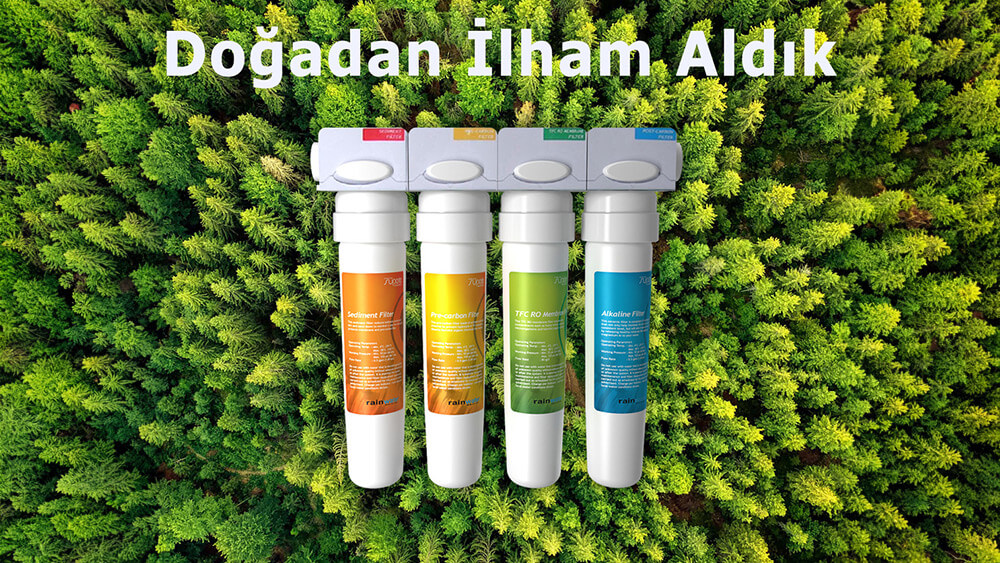
- Think Long Term: If boiling and filtering water every day is a hassle, consider investing in a quality water purifier that filters 99% of microplastics.
A healthy future starts with small but conscious decisions we make today. Boil and filter your water and take the first step towards a plastic-free life.
Frequently Asked Questions
We have compiled answers to the most common questions that arise in the minds of users about this method:
How are microplastics removed from drinking water?
The most accessible and scientifically proven home method is the “Boil and Strain” technique. Boil the water for 5 minutes depending on its hardness and let it cool down; the lime scale (calcium carbonate) traps the plastics. Then you can achieve up to 90% cleaning by filtering with a coffee filter. For a more professional solution, purifiers with reverse osmosis technology are recommended.
Does boiling water clean water?
The boiling process fulfils two basic functions:
Biological Treatment: Disinfects water by killing bacteria, viruses and protozoa.
Physical Treatment: If the water is “hard”, it traps and precipitates microplastics through the formation of lime. Caution: Boiling does not remove heavy metals such as lead, mercury or pesticides, but may increase their concentration due to evaporation. Professional filtration is essential if such chemical contamination is suspected.
How are microplastics removed from the body?
The body can excrete some of the microplastics through faeces and bile, but not all, as nanoplastics can penetrate cells. Consuming fibrous foods can help excretion by speeding up the digestive passage. However, the most effective “detox” is to stop the entry of plastic into the body.
Are there germs in boiling water?
No, it does not. Boiling water at sea level for 1 minute (3 minutes at high altitudes) neutralises all bacteria and viruses such as Salmonella, E. Coli, which are harmful to human health.
 Copy Blog Link