TR
TR
 Blog
Blog Water, the basic source of life, is exposed to countless external factors until it reaches your glass from its source. Today, the quality of water used in both industrial facilities and residences is critical for health and sustainability. Filtration in drinking water is not only the process of removing visible sediments from water; it is the process of removing physical, chemical and biological contaminants and making it compliant with TS 266 and World Health Organisation (WHO) standards. In this comprehensive guide, we will take an in-depth look at the journey of raw water into a safe beverage, modern treatment technologies and the quality parameters you should pay attention to.
What is Drinking Water Filtration?
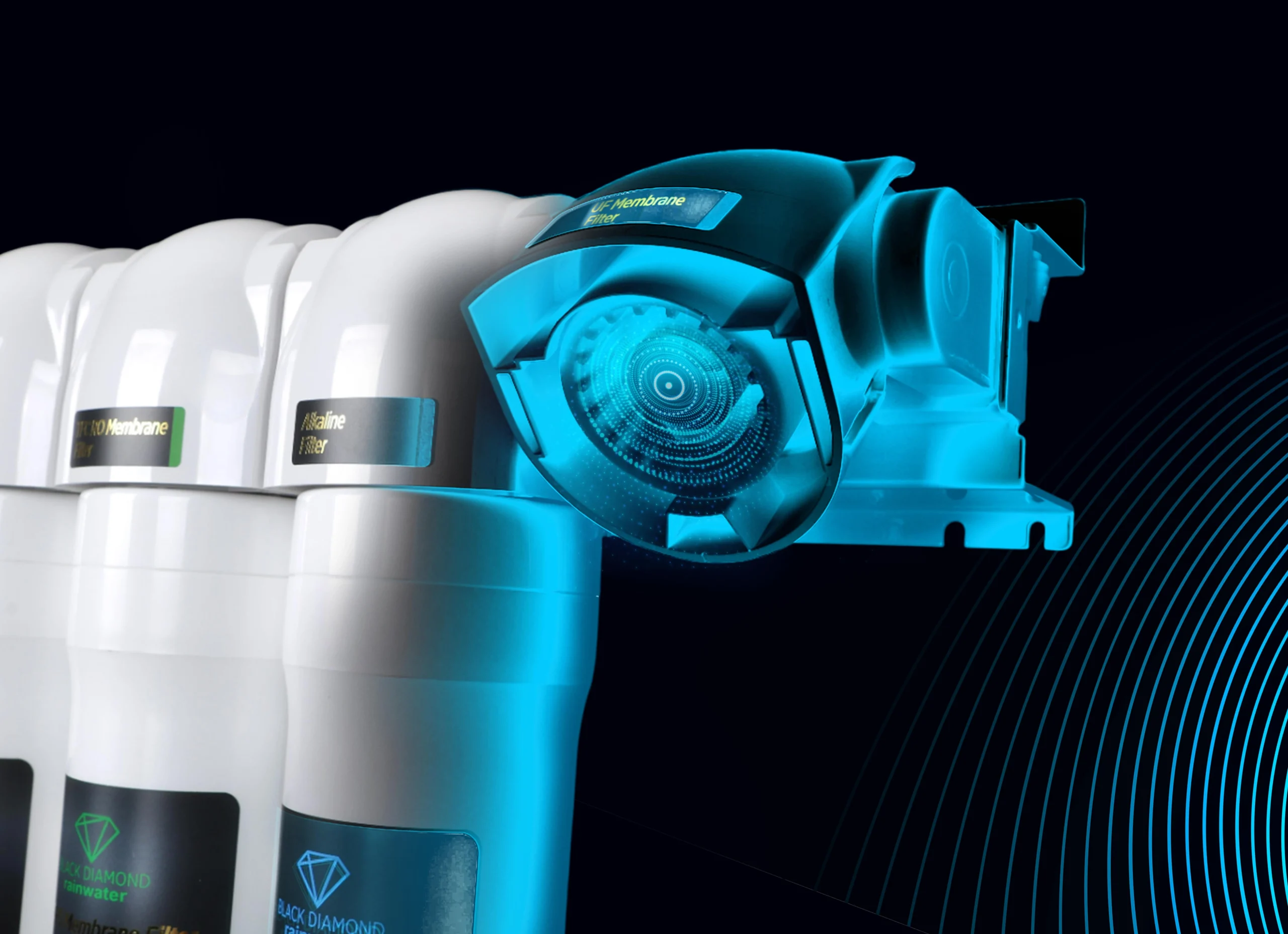
Water filtration, in its simplest definition, is the process of separating unwanted substances (particles, chemicals, heavy metals and microorganisms) in water using various barriers or chemical processes. However, in modern technology, this process means much more than a simple filtration process. Drinking water treatment processes are a combination of different disciplines such as mechanical filtration (coarse sediment retention), chemical filtration (adsorption with activated carbon) and membrane filtration (molecular separation by reverse osmosis).
Why Filtration is Needed?
Natural water sources are generally not potable when they reach the city network or well system. The main reasons for the need for filtration are as follows:
- Health Risks: Heavy metals such as arsenic, lead and pathogenic microorganisms (bacteria, viruses) in water can cause serious health problems in the long term. According to WHO data, access to safe water sources is the most effective method of preventing waterborne diseases.
- Plumbing and Equipment Protection: In industrial plants, scale and particles in water shorten the life of boilers, cooling towers and precision machinery.
- Sensory Quality: The taste, smell and colour of water directly affect its drinkability. A chlorine odour or cloudy appearance raises doubts about the reliability of the water.
Did you know? In terms of sustainability, using purified water is a vital step for our planet. Around 1 million plastic bottles are purchased every minute around the world. Filtering your own water directly contributes to preventing the growth of this huge mountain of plastic waste.
Healthy Drinking Water Criteria and Standards
In order for a water to be considered “potable”, it must meet certain legal and scientific standards. In Turkey, these standards are determined by TS 266 (Regulation on Water Intended for Human Consumption).
Ideal pH Value and Its Importance
The pH value indicates the acidic or basic character of the water. According to TS 266 standards, the pH value of drinking water should be between 6.5 and 9.5. However, health authorities and water experts consider slightly alkaline waters in the range of 7.5 – 8.5 more ideal in terms of supporting the alkaline balance of the human body. Acidic waters with a pH value below 6.5 can both cause corrosion in metal pipes and cause heavy metal contamination in water and make the taste sour.
Turbidity and NTU Values
Turbidity is the degree to which particles suspended in water refract light and is measured in NTU (Nephelometric Turbidity Units). Although the legal limit is usually 5.0 NTU, water turbidity is not only an aesthetic problem.
Turbidity values above 0.1 NTU reduce the efficiency of the disinfection process. Particles in the water can act as a “shield” for bacteria and viruses, protecting them from chlorination or UV radiation. Therefore, the target for high-end treatment systems is always below 1.0 NTU, or even 0.1 NTU if possible.
Microbiological Safety
Pathogenic microorganisms should not be present in a healthy drinking water. According to the standards, the number of E. coli and coliform bacteria in 100 ml of water should be “0”. Mechanical filtration alone is not sufficient to ensure this safety; advanced technologies such as reverse osmosis membranes or UV disinfection systems are essential. You can find more information about drinking water quality from WHO sources.
Basic Filtration System Types
Water treatment technologies vary according to the source of the water and the targeted quality. Here are the most commonly used systems:
Sand Filtration Systems (Mechanical Treatment)
It is a pre-filtration method usually used as the first stage. The water is passed through layers of quartz sand and anthracite of different sizes. This process physically retains coarse sediments, sludge and particles suspended in the water. Sand filters reduce the turbidity of the water, extending the life of the precision filters in the later stages.
Activated Carbon Filtration Systems
Activated carbon filter is one of the most important components of water treatment technology. It works on the principle of adsorption (surface retention). Thanks to its large internal surface area, it removes
- Chlorine and chlorine compounds.
- Organic substances and pesticides.
- Gases causing bad taste and odour.
- Discolouration.
For more detailed information about the damages and removal of chlorine in water, you can review our Chlorine in Water article.
Bag and Cartridge Filters
These filters are capable of holding fine sediment at micron level. They are generally used to filter particles between 1 and 50 microns. Cartridge filter and bag filter systems prevent clogging of expensive membranes by acting as a pre-membrane safety filter.
Reverse Osmosis Systems
Reverse Osmosis, considered the pinnacle of drinking water technology, purifies water molecules by passing them through a semi-permeable membrane at high pressure. This system removes up to 99% of dissolved salts, heavy metals, bacteria and viruses in water.
Statistics: Reverse Osmosis technology, which accounts for 66.3% of the global water treatment market, is the most reliable and widely used method. It is the technology that produces water closest to “pure water” quality in both domestic and industrial areas.
What is Reverse Osmosis and How Does It Work? You can find the details of this technology in our article.
Specific Contaminant Removal in Drinking Water
Standard filters cannot remove every contaminant. Some substances require special attention and advanced technology.
Sulphate Removal and Importance
Sulphate is an ion commonly found in natural waters and has a laxative (diarrhoeal) effect at high concentrations. It can also cause corrosion in concrete and metal installations.
Technical Note: Standard activated carbon or sand filters cannot remove sulphate. The most effective method for sulphate removal is Reverse Osmosis. A quality RO system can remove 97% to 99% of sulphate ions from drinking water. Alternatively, anionic ion exchange resins can be used, but the most practical solution for drinking water is the membrane.
Heavy Metal (Arsenic, Iron, Manganese) Treatment
Heavy metal removal is critical for human health. Metals such as arsenic, lead and mercury can accumulate in the body and cause neurological damage and cancer. Iron and manganese cause problems such as metallic taste in water, discolouration and staining of laundry.
Arsenic Reverse osmosis systems can remove arsenic by 98 per cent.
Iron/Manganese: Precipitated and filtered by oxidation and special mineral filters (Birm, Greensand).
| Method | Substances Removed | Advantages |
| Sand Filter | Sediment, Sludge, Particle | Low operating cost, high capacity. |
| Activated Carbon | Chlorine, Odour, Organic Matter, Taste | Improves the taste of water, retains chemicals. |
| Reverse Osmosis | Heavy Metal, Salt, Bacteria, Virus, Sulphate | Highest purity, 99% purification efficiency. |
| UV Disinfection | Bacteria, Viruses, Fungi | Microbiological treatment without the use of chemicals. |
Table 1: Comparison of Filtration Methods
Things to Consider When Choosing a Filtration System
To choose the right water purifier or system, you should not act by rote. You should follow these steps to determine the most suitable system for your needs:
- Water Analysis Report: You cannot write the right prescription without knowing what is in your water. Especially if you use well water, you should have a chemical and bacteriological analysis in an accredited laboratory.
- Intended Use: Will you produce drinking water at home or improve the process water of your factory?
- Domestic Use: Under-counter reverse osmosis devices are ideal. Water Treatment Devices You can review the options in our category.
- Industrial Use: High flow systems and industrial water treatment solutions are required. For details, you can take a look at our Industrial Water Treatment Systems page.
- Certifications: Ensure that products have NSF, CE or TSE certificates. TSE standards are the basic reference for reliability.
| Parameter | TS 266 Limit | Ideal Target | Why? |
| pH | 6.5 – 9.5 | 7.5 – 8.5 | Alkaline water supports metabolism. |
| Turbidity | 5.0 NTU | < 1.0 NTU | Disinfection efficiency and clarity. |
| Conductivity | 2500 µS/cm | < 500 µS/cm | Low mineral load, soft drink. |
Table 2: Ideal Drinking Water Values (TS 266 vs Ideal)
Frequently Asked Questions
What exactly is water filtration?
Water filtration is not just filtering water. It is the process of physical, chemical and biological cleaning of water using a combination of mechanical (sediment retention), chemical (chlorine / odour removal with activated carbon) and membrane (dissolved solids removal with Reverse Osmosis) technologies.
What should be the pH of drinking water?
According to TS 266 standards, the pH value of drinking water should legally be between 6.5 and 9.5. However, the ideal range for health and a delicious drink is between 7.5 – 8.5, which is slightly alkaline.
How should a healthy drinking water be?
Healthy water should be microbiologically free of E. coli (sterile), chemically free of nitrate, nitrite and heavy metals, and physically clear (low turbidity), odourless and colourless.
What should be the turbidity of drinking water?
Although the legal limit is 5.0 NTU, this value is considered high by modern treatment standards. In order for the water to be completely clear and for the disinfection process (chlorination / UV) to fully affect the bacteria, turbidity is recommended to be below 1.0 NTU. While the domestic water filtration market is expected to reach $ 15.41 billion in 2025 with an annual growth of 10.4%, make the right investment for your health. You can contact our expert engineers from our Contact page to design the systems suitable for your needs, to get technical support and offers.
 Copy Blog Link