Blog
Blog Does that first sip of coffee you take at the start of the day or that afternoon cup of tea you brew in the evening not taste as you expected? If you buy the highest quality coffee beans, use the most expensive tea blends, but still can’t get that “perfect” taste, the culprit may not be your equipment, but the water you use. The difference in flavour between tea and coffee with purified water is based on a much deeper chemical interaction than you might think.
Did you know that more than 98% of a cup of coffee or tea consists of water? The remaining 1-2% are dissolved flavour components. Therefore, the main boss determining the flavour in your cup is water. Water hardness, pH balance, mineral content and TDS value directly shape the body, acidity and clarity of your drink. In this guide, we will examine the flavour journey of water and what you need to know for perfect brewing at home, with the meticulousness of a barista or tea connoisseur.
Why is water quality important in coffee and tea?
Water is not just a liquid that soaks coffee beans or tea leaves; it is a powerful solvent. During brewing (extraction), water penetrates the cell walls of the plant and carries the oils, acids, sugars and aromatic compounds into your cup. However, it is not enough for the water to be “clean”. The type and amount of minerals in it determines how successful this transport process is.
Chlorine, rust, sediment or excess calcium in your tap water can mask the characteristic properties of your drink. In contrast, drinking water quality with the right mineral balance allows the flavours to burst forth.
Chemistry of Water: What is TDS and pH?
For a perfect brew we need to understand two basic concepts: TDS and pH.
- TDS (Total Dissolved Solids): The total concentration of minerals, salts and metals dissolved in water (measured in ppm). According to the Specialty Coffee Association (SCA) standards, the TDS value for an ideal coffee water should be in the range of 75-250 mg/L and the target value should be kept around 150 mg/L. Too low TDS (pure water) makes the coffee bland, while too high TDS prevents dissolution and makes the flavour bitter.
- pH (Potential Hydrogen): Indicates whether the water is acidic or basic. The ideal water pH for coffee and tea should be neutral or slightly alkaline, i.e. between 6.5 and 7.5.
Mains Water vs. Purified Water: Key Differences
The difference between municipal water and a quality purified water with a mineral filter revolutionises not only the health but also the flavour profile. In the table below we have compared the effects of these two water sources on brewing:
Table 1: Mains Water vs. Mineral Filtered Treatment Water Comparison
| Criteria | Mains (Tap) Water | Mineral Filtered Purified Water |
| Smell and Taste | Chlorine and metallic flavours predominate. | Odourless, fresh and natural taste. |
| Coffee Profile | Bitter, flat and chalky finish. | Fruity notes are pronounced, sweet and balanced. |
| Tea View | Turbid, a layer of greasy film forms on the surface. | Bright, clear and “rabbit’s blood” colour. |
| Brewing Time | It brews late because the minerals are saturated. | It is brewed in an ideal time due to its high solvent power. |
| Equipment Health | Resistances and pumps become blocked due to calcification. | Machine life is prolonged thanks to lime-free structure. |
The biggest enemy in municipal water is chlorine. Although boiling removes some of the chlorine, it does not remove heavy metals and other contaminants from the water; on the contrary, the concentration of these substances increases as the water evaporates. The presence of chlorine in the water turns the delicate fruity acidity of your coffee into a “chemical” flavour.
Effect of Purified Water on Coffee Taste
Brewing coffee is a chemistry experiment. The secret to the success of Third Wave Coffee is that they “design” the water as much as the bean quality. So how can purified water change the flavour of coffee so much?
Extraction (Brewing) Science
The process of extracting the essence of the coffee bean into water is called extraction. In this process, positively charged ions (cations) in the water adhere to the negatively charged aroma molecules in the coffee and attract them to the water. This is where the role of minerals comes into play:
- The Power of Magnesium Magnesium is the “star player” in coffee brewing. It excels at attracting oxygen-rich flavour compounds (fruity and acidic notes). Magnesium-rich (but not overly strong) waters bring out the sweetness and complexity of the coffee.
- The Role of Calcium: Calcium gives the coffee a “body” and a creamy structure. However, it is not as much of a flavour carrier as magnesium.
- Bicarbonate Balance: Determines the buffering capacity of water. It stabilises acidity. Too much makes the coffee flat, too little makes the coffee sour.
A standard water purifier removes all impurities from the water. What is important for coffee enthusiasts, however, is that the right minerals (such as magnesium) are restored to the cleaned water.
Consequences of Wrong Water Selection: Sour or Bitter Coffee
If the coffee you make at home does not taste like the ones you drink outside, you should check the TDS value of your water.
- Extremely soft water (0-50 ppm): If you use pure water (distilled water) or mineral-free reverse osmosis water, there are no minerals in the water to attach to the coffee molecules. The result. A sour, bodyless and metallic coffee. This is called “under-extraction” (under-brewing).
- Extremely hard tap water (250+ ppm): The water is already so full of minerals that it has no room to absorb the flavours in the coffee. In addition, the high bicarbonate neutralises the coffee’s beautiful acidity. The result. A bitter, chalky and faint flavour.
It is therefore essential to use purified and remineralised (mineralised) water for barista-standard coffee.
Effect of Purified Water on Tea Flavour and Appearance
Tea has a special place in Turkish culture. In our annual tea consumption of 1300 cups per person, visuality is as important as flavour. The answer to the question of how to brew tea is hidden not only in the brewing technique but also in the clarity of the water.
Turbidity and Surface Oil Layer
You have definitely noticed that thin, oily and moire layer (film layer) on the surface of the tea cup. This is usually attributed to the poor quality of the tea, but the real reason is hard water.
The high calcium bicarbonate in mains water reacts with the polyphenols in the tea leaves to form insoluble compounds. These compounds rise to the surface of the water, creating that unpleasant oily appearance and cloudiness. This layer not only spoils the appearance, but also prevents the aromatic scent of tea from spreading into the air.
“Rabbit Blood” Clarity and Aroma
This calcium-polyphenol reaction is minimised when treated water is used. The results are as follows:
- Clarity: Your tea will be crystal clear and bright red (rabbit blood), not cloudy.
- Soft Drinking: Since there is no chlorine and lime taste, the tea’s own astringency and sweetness come to the fore. It provides a soft drink that does not burn the throat.
- Colour: The tea does not darken when poured into the cup and retains its vivid colour for a long time.
How to Make Purified Water Healthy and Tasty?
There is a misperception that “treated water is flavourless” or “dead water”. This may be true for old type or poor quality treatment systems. In today’s technology, the situation is very different.
Importance of Mineral Filters (Remineralisation)
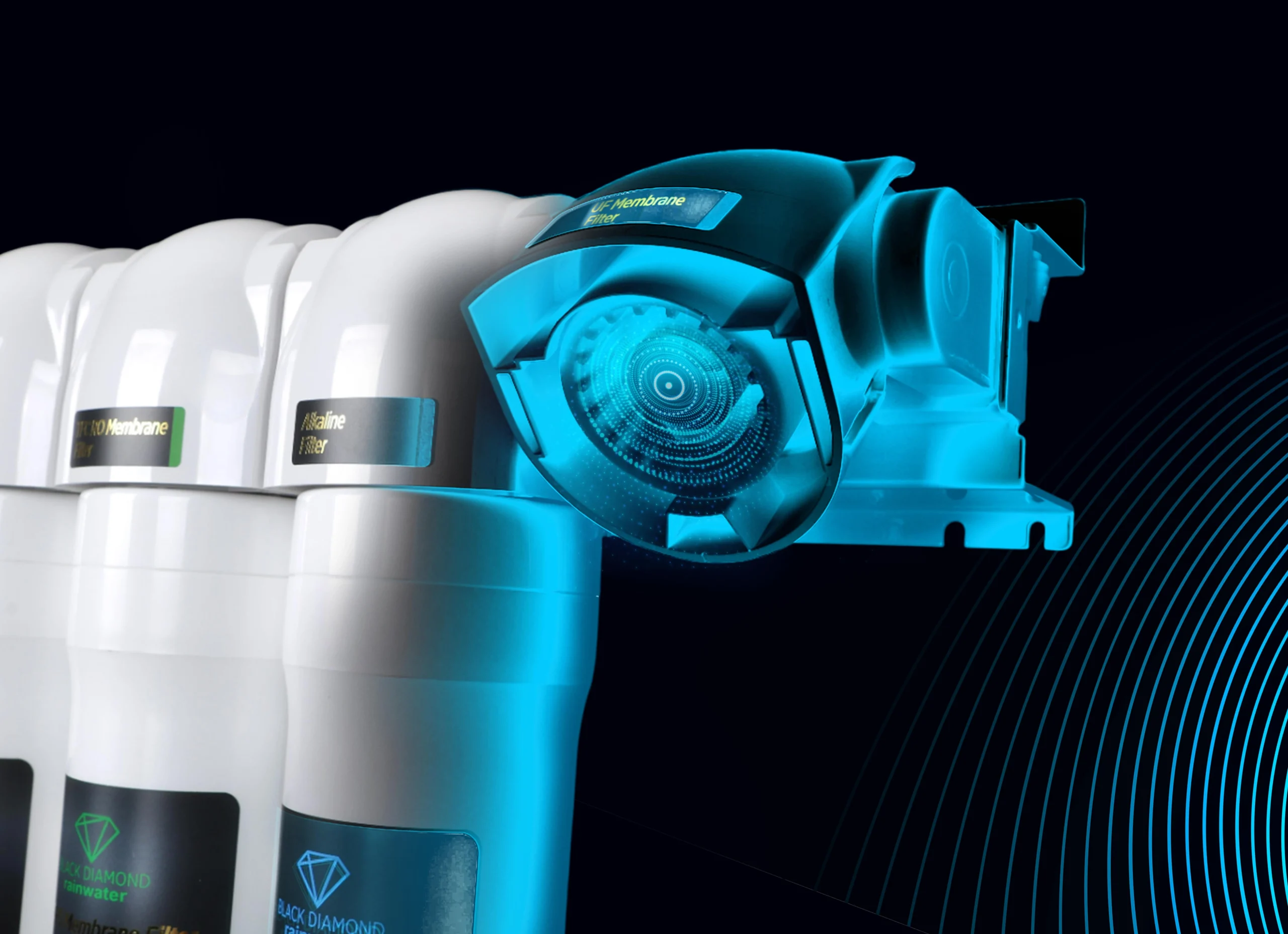
Reverse osmosis systems purify water to a precision of 0.0001 microns, removing all heavy metals, bacteria and viruses. However, some of the useful minerals may also decrease. This is where remineralisation (mineral) filters come into play.
These filters restore minerals such as calcium, magnesium and potassium from natural stones to pure water. This process
- It draws the pH value of the water to 7.5-8.5 (alkaline).
- It gives natural spring water flavour to the water.
- Provides the mineral balance (TDS) required for coffee and tea.
In other words, you do not get “dead water”, but on the contrary “alive and tasty” water with optimised mineral balance.
Machine Life and Calcification
Beyond the flavour, there is also an economic fact. Coffee machines (especially espresso machines) and teapots often fail due to limescale. The main motivation for cafés using industrial industrial water treatment systems is not only flavour, but also to protect their equipment worth tens of thousands of dollars.
Lime-free purified water for home use:
- Prevents the formation of sediment at the bottom of your teapot.
- Prevents clogging of the waterways of your coffee machine.
- It saves energy by preventing the heating elements from being covered.
Which is the Best Water for Your Taste?
To summarise, the difference in flavour between tea and coffee with purified water is not a luxury, but a chemical necessity. Chlorinated, calcareous and heavy metal-containing mains water is a waste of your investment in quality coffee beans and tea.
For a perfect brewing experience:
- Free of chlorine and lime,
- TDS value stabilised (not too low),
- Magnesium supplemented with mineral filter,
- You should prefer water with a pH value in the range of 7.0 – 8.5.
You can meet Rainwater’s new generation water treatment technologies to achieve these standards in your home or business, to protect your health and to feel the real flavour in every sip. You can contact our experts from our contact page for solutions, offers and support suitable for your taste.
Remember, a good coffee or tea starts with good water.
Frequently Asked Questions (FAQ)
Is purified water healthy?
Absolutely. Purified water is extremely safe as it is free from heavy metals such as lead, mercury, microplastics and bacteria. For optimum health and flavour, quality devices with mineral filters and pH balance should be preferred.
Does purified water change the flavour of coffee?
Yes, it changes it in a positive way. Eliminates the chlorine odour in tap water. With the right balance of minerals (especially magnesium), the fruity, chocolatey and floral notes of coffee become more pronounced. Removes bitterness.
Why should purified water be used when brewing tea?
Purified water is essential to prevent clouding of the tea and the formation of an oily layer on the surface when it cools. It provides a clearer colour, more intense aroma and a softer drink.
Is purified water used in baby food?
Answer. Because babies have a sensitive immune system, it is important to use safe water free from heavy metals and bacteria. However, it is recommended that the mineral balance of the water used is appropriate.
 Copy Blog Link