TR
TR
 Blog
Blog You’ve just finished the last set of your workout, your heart rate is still high and your t-shirt is soaking wet. Your first instinct is probably to immediately reach for a water bottle. However, the act of drinking water after exercise has a much deeper biological significance than simply quenching that momentary thirst. Many fitness enthusiasts and amateur athletes overlook the fact that replacing fluid lost during training is as much a part of the “development” process as the training itself.
Feeling thirsty is actually a “too late” signal that your body sends you. Scientific research shows that by the time you feel thirsty, you have lost about 1-2% of your body weight in water (dehydration) and your performance has already begun to decline. In this guide, we will go beyond the hearsay advice of “8 glasses of water a day” and look at the scientific basis, mathematical calculations and misconceptions of post-workout rehydration. Our aim is not just to get you to drink water, but to teach you how to use water as a performance-enhancing tool.
Why You Should Drink Water After Sports (Scientific Approach)
Whether you are lifting weights in the gym or ticking off kilometres on the running track, your body makes a tremendous effort to maintain homeostasis (internal balance). The fluid lost in this process is not just “water”; it is a vital fuel for the continuation of metabolic processes.
Muscle Repair and Protein Synthesis
Muscle growth (hypertrophy) does not occur during training, but during the rest period after training. Microscopic tears occur in muscle fibres during exercise and the body repairs these tears to make the muscle stronger. However, this repair process, i.e. protein synthesis, is water-dependent.
Water is the main carrier responsible for transporting amino acids, glucose and other nutrients to muscle cells. If your body is in a state of dehydration, the blood volume decreases and the fluidity (viscosity) of the blood changes. This slows down the flow of nutrients and oxygen to the muscles. More importantly, when intracellular water content decreases, protein synthesis slows down and protein breakdown (catabolism) can accelerate. So, not drinking enough water can waste some of the effort you put into training.
Cortisol and Stress Management
Exercise is a physical stress for the body, which temporarily increases cortisol (stress hormone) levels. Under normal circumstances, this is to be expected. However, dehydration is an extra stressor for the body.
Research shows that a dehydrated body maintains higher post-exercise cortisol levels than a well-hydrated body. Chronically high cortisol levels can suppress anabolic (building) hormones such as testosterone and growth hormone. It can also delay the recovery process, causing you to start the next workout tired. Proper post-workout hydration speeds up the body’s transition from “fight or flight” mode to “rest and repair” mode.
How Much Water Should You Drink? (Mathematical Calculation)
The answer to the question “How much water should I drink?” is not the same for everyone. The water requirements of a 50kg gymnast and a 100kg bodybuilder or a marathoner running in hot weather are radically different. Authorities such as the American College of Sports Medicine (ACSM) recommend personalised calculations rather than standard recommendations.
150% Rule (Rehydration Calculation)
The rule recognised as the gold standard in sports science and athletic performance is the 150% Rule. This rule states that for every kilogram of weight you lose during exercise, you should consume 150% (or 1.5 times) of this loss.
Why 150 per cent and not 100 per cent?
If you have lost 1 litre of water and drink only 1 litre of water, you will not be fully rehydrated as your body will continue to excrete some of this water through urine and perspiration. According to the National Athletic Trainers’ Association (NATA), consuming 1.25 to 1.5 times the amount of fluid lost provides a full recovery by compensating for the amount to be lost through urine.
Sample Calculation Table:
| Variable | Sample Data | Operation |
| Weight Before Training | 80.0 kg | – |
| Weight After Training | 79.0 kg | – |
| Fluid Loss (Difference) | 1.0 kg (1000 ml) | 80 – 79 |
| Targeted Consumption Rate | 150% (1.5 times) | Scientific Standard |
| Water to Drink | 1.5 Litre | 1.0 kg x 1.5 |
Consuming this 1.5 litre of water over a 2-4 hour period following the workout, rather than “chugging” it as soon as the workout is over, prevents stomach upsets and improves absorption.
How to Measure Your Sweating Rate?
You can use a simple weighing protocol to determine your own sweating rate:
- Weigh yourself immediately before training, if possible without clothes or with minimal clothing.
- Note the amount of water you drink during training (e.g. 500 ml).
- Immediately after training, take off your sweaty clothes, dry yourself and weigh yourself again.
- Add the water you drink to the difference.
(Starting Weight – Ending Weight) + Drinking Water = Total Fluid Loss.
By making this calculation in different weather conditions and training intensities, you can clearly map your body’s water needs.
The Cold Water Myth: Should I Drink Cold Water After Exercise?
There is a myth that is often heard among the public and in gym locker rooms: “Don’t drink cold water while sweating, you will get sick or have a heart attack.” Science disproves these myths.
Body Temperature and Thermogenesis
During exercise, the core temperature rises. The body tries to lower this temperature through sweating. Studies in publications such as the Journal of The International Society of Sports Nutrition show that cold water (cool water, not freezing water) at a temperature of about 16°C normalises core temperature faster than warm water.
Even more important is the flavour and freshness factor. Research shows that people consume cool water more willingly than warm water. Cool water can increase “voluntary fluid intake” by 23%. This means that cool water encourages you to drink more water, helping you overcome dehydration faster.
In short: Extremely cold (icy) water can cause cramps in some sensitive stomachs, but drinking cool water is not a threat to heart health, but rather an advantage for thermoregulation (heat stabilisation).
Is Only Water Enough? Electrolytes and Minerals
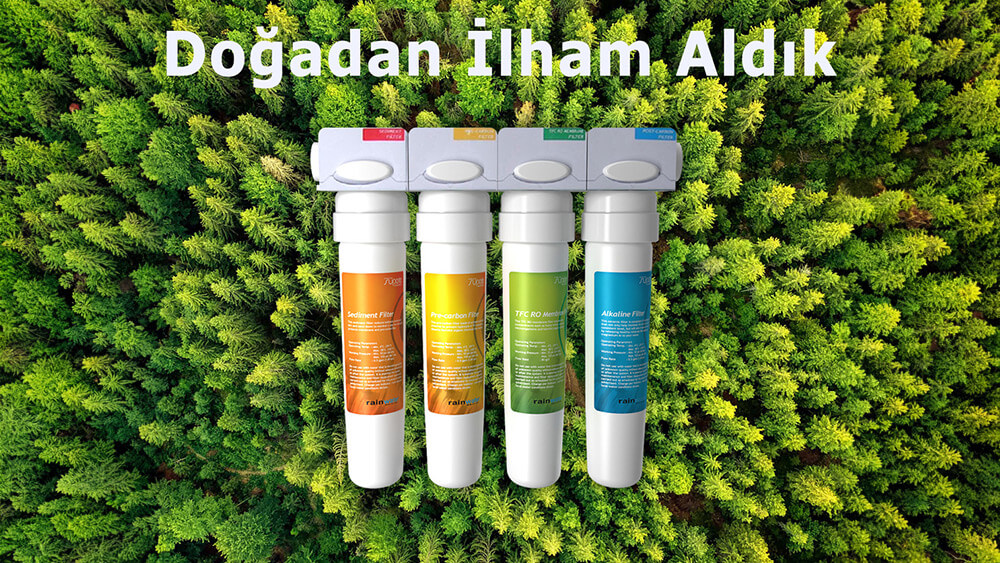
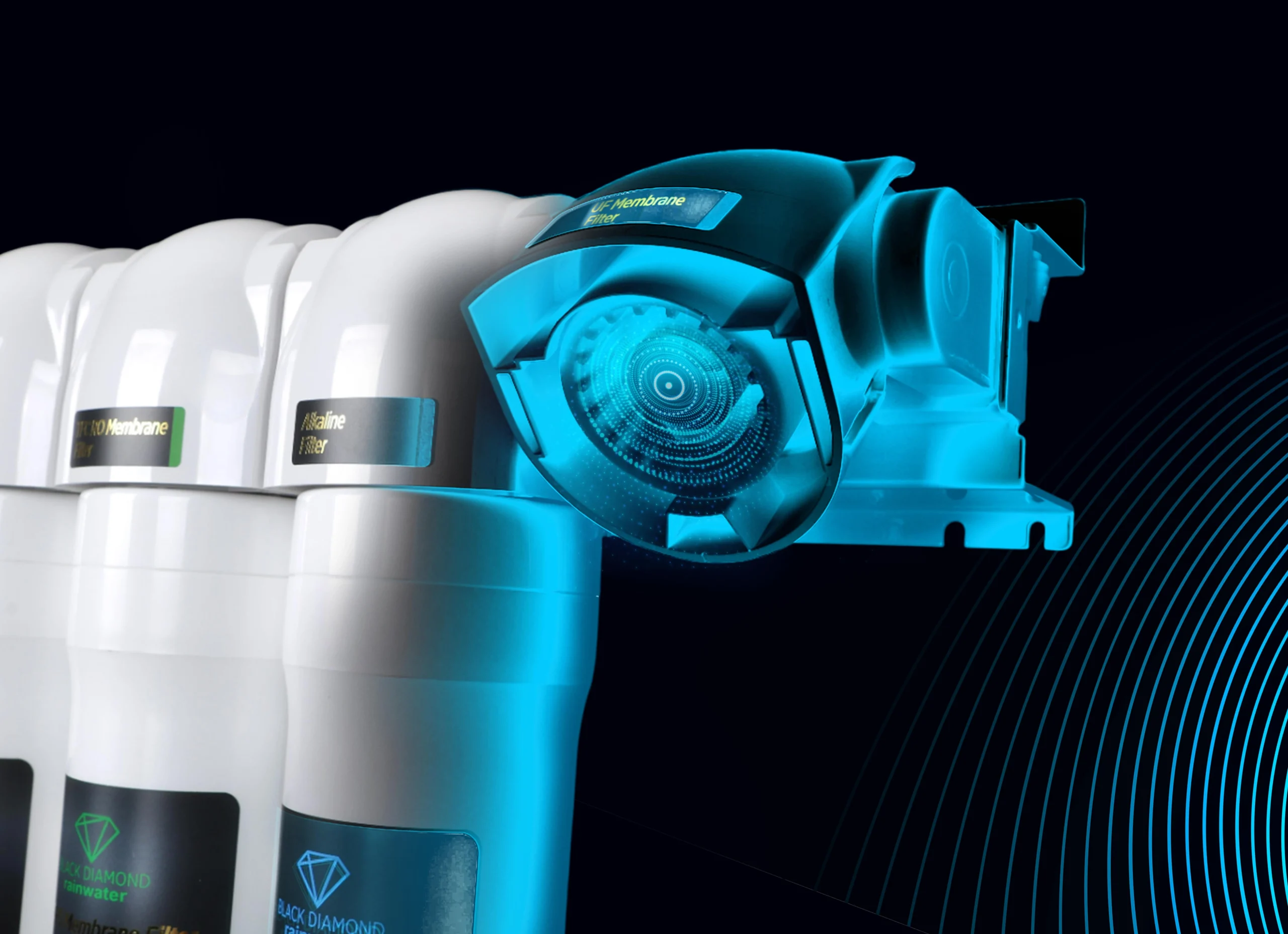
Clean and high quality water is an excellent and sufficient option for rehydration during short and moderate intensity training (45-60 minutes). At this point, it is best for your health to consume water free of heavy metals from reliable sources such as Rainwater water purifiers. However, the equation changes when the time is longer.
Risk of Hyponatraemia (Water Poisoning)
If you have done endurance training (marathon running, triathlon, prolonged football match) that lasts more than 1.5 to 2 hours with intense sweating, drinking only pure water can be risky. With sweat you lose not only water but also electrolytes such as sodium, potassium and magnesium.
When the sodium level in the body drops and a large amount of pure water is drunk, the sodium concentration in the blood becomes dangerously diluted. This condition is called hyponatraemia. Symptoms include headache, nausea, confusion and in severe cases seizures.
Water or Sports Drink? Comparison Chart
| Feature | Pure Water | Electrolyte Beverage / Mineral Water |
| Training Duration | < 60 Minutes | > 60-90 Minutes |
| Training Intensity | Low / Medium | High / High Sweating |
| Main Objective | Liquid Supplement | Liquid + Salt + Energy Supplement |
| Risk | None (Short time) | Calories (unnecessary sugar intake) |
Adding a pinch of salt to water after long workouts or drinking a bottle of natural mineral water is a simple and effective way to restore electrolyte balance.
Signs of Dehydration: Urine Colour Check
The feeling of thirst can be unreliable, but your urine colour provides an instant and honest report on your body’s hydration status.
- Light Straw Yellow / Near Transparent: Excellent hydration level. (Note: Some vitamin supplements may change the colour to neon yellow, this should not be misleading).
- Lemonade colour: Can be considered normal, but you should start drinking water.
- Apple Juice / Amber Colour: Sign of dehydration. The body is trying to retain water, urgent fluid supplementation is required.
- Dark Coffee/Tea Colour: May be a sign of severe dehydration or rhabdomyolysis (muscle breakdown). Medical assistance may be required.
By performing this simple visual check every time you visit the toilet after training, you will know if you are ready for the next session.
What to do?
Post-workout hydration is as important, if not more important, part of your training routine than “cool down” movements. If you think of your body as a machine, training stresses it, while water and nutrition repair it and prepare it for the next level.
Following the 150% rule, monitoring your urine colour and electrolyte balance in hot weather will ensure you don’t leave your performance to chance. Remember, real improvement starts not when you lift the weight in the gym, but how well you feed and hydrate your body after you drop the weight.
We wish you a healthy, performance and well-hydrated training!
Frequently Asked Questions (FAQ)
Short and clear answers to the questions that users are most curious about water consumption after sports:
Do you drink water after exercising?
Definitely yes. In fact, it is a mistake not to drink. Water is essential for the “anabolic window” (recovery period) that starts immediately after exercise. It is recommended to drink 1.5 times the weight lost in the first 2 hours.
Why do athletes sometimes not swallow water (shake and spit it out)?
This is called “mouth rinsing”. Usually athletes who exert themselves intensely (e.g. footballers in the middle of a match) rinse a carbohydrate-containing liquid in their mouth and spit it out. This stimulates the reward centres in the brain and sends the signal “energy is here” and improves performance, but it does not fill the stomach with liquid and create a feeling of bloating and sloshing. After training, it is essential to swallow water.
What happens if I do sports and don’t drink water?
Your heart rate is delayed in returning to normal. As blood volume remains low, nutrients to the muscles are reduced, which can lead to muscle cramps and pain (DOMS). In addition, body temperature remains high and cortisol levels do not decrease, which undermines your development.
Does drinking water after sports make you gain weight?
No, water has zero calories, so it is not stored as fat. However, you may see a temporary increase on the scale. This is due to the body retaining water while filling its glycogen stores (energy in the muscles). Every 1 gram of glycogen is stored with about 3-4 grams of water. This is not “weight gain” but a sign of healthy recovery and muscle fullness.
Sources
American College of Sports Medicine (ACSM) – Standards for Exercise and Fluid Replacement.
National Athletic Trainers’ Association (NATA) – Fluid Loss and Rehydration Rates.
Mayo Clinic – Water: A Basic Requirement for Healthy Living.
 Copy Blog Link