TR
TR
 Blog
Blog In addition to its widespread use, activated carbon materials are important in the filtration stage. Therefore, the question “What is an activated carbon filter and what does it do?” is critical to understanding one of the most fundamental technologies of water and air purification. An activated carbon filter is a type of filter consisting of a high porosity, processed carbon-based material that retains unwanted chemicals, gases and compounds in water or air through adsorption. Its main function is to improve the taste, odour and colour of water, as well as to remove some organic pollutants harmful to health.
What is Activated Carbon Filter?
Activated carbon filter is produced from porous carbon material obtained by processing organic materials such as coconut shell, coal or wood in a controlled environment at high temperature. This process (activation) greatly increases the surface area of the carbon, allowing the surface area of one gram of activated carbon to reach the size of a football field. This huge surface area acts as an effective trap for the capture of pollutant molecules.
How is Activated Carbon Obtained?
Activated carbon is usually produced by two main activation methods: steam activation and chemical activation. In steam activation, the raw material (e.g. coconut shell) is first converted into carbon at high temperature in a carbonisation furnace, then activated with steam at 800-1000°C to improve the pore structure. In chemical activation, porosity is achieved at lower temperatures by using chemicals such as zinc chloride or phosphoric acid. Coconut shell-based activated carbon is often preferred for water purification due to its high purity and efficiency.
How Does Activated Carbon Filter Work?
The answer to the question “How does the activated carbon filter work?” lies in the concept of “adsorption”. Adsorption is the process of attaching molecules from a liquid or gas phase to a solid surface (activated carbon surface). The large and complex pore network of activated carbon allows organic molecules, chlorine compounds and some chemicals to adhere tightly to these pore walls by physicochemical forces as water passes through them. This is a superficial adhesion mechanism that is different from the attraction of water by a sponge.
What does the activated carbon filter retain and what does not?
To answer the question “What does the activated carbon filter hold?”, it is necessary to know the types of pollutants. The filter effectively adsorbs chlorine, chloramine, trihalomethanes (THMs), volatile organic compounds (VOCs), some pesticides, herbicides and industrial solvents. It also removes organic compounds that cause bad odours and tastes. “Does the activated carbon filter hold chlorine?” yes, this is one of its most basic functions. However, the answer to the question “does activated carbon filter retain bacteria?” is different; although it can physically trap bacteria, it does not prevent them from multiplying and is not an effective germicide.
It does not retain most heavy metals (lead, arsenic), dissolved salts, nitrates, fluoride or minerals. When looking at “What are microplastics?” and how are they retained, only the larger microplastics can be physically blocked, but this is the main task of the sediment filter.
Types of Activated Carbon Filters
To distinguish the types of activated carbon filters, the question “What are the types of activated carbon filters?” is answered according to their physical form and specific application. Each type addresses various needs by offering different pore structure, flow rate and retention capacity.
Granular Activated Carbon (GAC)
Granular Activated Carbon (GAC) is a form of activated carbon in the form of small, irregularly shaped particles. As water passes through these particles, it comes into contact with a large surface area. GAC filters generally have a lower pressure drop (less resistance to water flow) and are therefore widely used in applications requiring high flow rates, large volume Industrial water purifiers or as the first stage carbon filter of domestic systems. Over time, efficiency can gradually decrease as the water flow can open channels between the particles (sewage).
Block (Compact) Activated Carbon (CTO)
Block Activated Carbon (CTO) is produced by compressing finely ground activated carbon powder with a binder into a solid, cylindrical block. This structure forces water to necessarily pass through much smaller and complex pores, resulting in a much longer contact time with contaminants. Block carbon filters offer a more comprehensive answer to the question “what does an activated carbon filter hold?”; it has the ability to hold not only chemicals, but also better particle (sediment) retention. It is often preferred in household systems such as under-counter water purifiers.
Powdered Activated Carbon (PAC)
Powdered Activated Carbon (PAC) is the most finely ground form of activated carbon. This powdered carbon is not usually trapped in a cartridge, but is instead mixed directly into water for a set period of time or applied in disposable bags. It offers a very high surface area and is used to achieve high adsorption efficiency in a short time. It is generally preferred for instantaneous removal of specific pollution crises in industrial wastewater treatment plants or municipal water treatment plants. Direct use in household systems is not practical.
Impregnated Activated Carbon
Impregnated Activated Carbon is produced by impregnating the surface of standard activated carbon with silver, iodine or other chemicals to impart special reactions or properties against certain contaminants. The most common example is silver-enriched activated carbon. Silver ions provide a partial solution to the concern of “will the activated carbon filter retain bacteria?”, providing the ability to inhibit the growth of bacteria and algae on the carbon surface (bacteriostatic). Such filters can be preferred in mobile filters where water can be stored for a long time or used in environments prone to bacterial growth.
Benefits of Activated Carbon Filter
From another perspective, the benefits of an activated carbon filter have a direct and positive impact on water safety. In addition to improving drinking water quality, these benefits also significantly improve the comfort of everyday use.
Chlorine and Chloramine Removal
The answer to the widely researched question “Does the activated carbon filter hold chlorine?” is one of the most basic and effective functions of this filter. Activated carbon effectively removes free chlorine and the more persistent chloramine compounds used as disinfectants in mains water by adsorption. This process eliminates the pungent chemical odour and taste of the water, as well as the negative effects of chlorine, which can cause dryness on the skin and hair.
Taste and Odour Enhancement
In addition to chlorine removal, the activated carbon filter also absorbs other natural organic compounds (such as geosmin, MIB) that give the water a mouldy or earthy bad taste and odour. This gives the water a natural and neutral flavour. The improved taste contributes to overall health by encouraging more water consumption and positively affects the flavour profile of beverages such as tea and coffee.
Organic Pollutant Removal
The filter targets various industrial and agricultural organic pollutants in water. Unwanted compounds such as pesticides, herbicides, volatile organic chemicals (VOCs), trihalomethanes (THMs) and some pharmaceutical residues are trapped in the porous structure of activated carbon. This helps to reduce long-term health risks and improves the chemical safety of water.
Colour Clarity
Dissolved organic substances in water (such as humic and fulvic acids) can give the water a yellowish or brownish colour. Activated carbon adsorbs these colouring organic molecules, giving the water a clear, crystalline appearance. Visual clarity reinforces the perception that the water is clean and safe.
Economic and Practical
Activated carbon filtration has relatively low initial investment and operating costs compared to many other treatment technologies. Filter cartridges are easy to replace and the systems generally do not require complex technical knowledge for installation or maintenance. This makes it accessible to a wide range of users and makes it a sustainable “What is a water purification filter?” solution.
How long is the activated carbon filter used?
There is no definite answer to the question “How many years does the activated carbon filter change?”, which many people wonder the answer to. This depends on the pollution load of the water, the amount of water consumed and the capacity of the filter. As a general guideline, it is recommended to replace the activated carbon filter in a standard household water treatment system every 6 to 12 months on average. When the filter reaches saturation (when all pores are filled with contaminants) it loses its effectiveness and may even risk releasing the contaminants it has retained. Regular replacement is therefore essential.
How to Change the Activated Carbon Filter?
The process of “How to change the activated carbon filter?” at the point of repair and replacement varies according to the design of the system. In most under-counter water purifiers or jug filters, the filter cartridge can be easily removed by turning it anti-clockwise or with a latch system. During replacement, make sure that the water inlet valve is closed, the gaskets of the new filter are in place and the air is removed from the system. The most important points are to follow the manufacturer’s instructions and not to exceed the filter life.
Active Carbon Filter Usage Areas
Activated carbon filters find their place in a wide range of scales and applications where water quality improvement is required.
Household Water Purifiers
Activated carbon is often an indispensable component in water purifiers. In multi-stage systems, it is usually used in the second stage after a pre-sediment water treatment filterto remove chlorine and organics, thus protecting the sensitive reverse osmosis membrane behind. In some simple systems it is used alone or in combination with a UV lamp.
Benchtop/Undercounter Filters
Divided into upper and lower sections, under-counter water purifiers and filters with countertop tap adapters are designed to purify water obtained directly from the kitchen tap. Block or granular activated carbon filters usually form the core of these compact systems. They are practical to use and quickly improve the quality of drinking and cooking water.
Jug Type Filters
Pitcher type filters are the most commonly used example of a household activated carbon filter. The cartridge contains granular or block activated carbon. Water slowly seeps through the filter under the influence of gravity, removing chlorine and some contaminants. It offers an economical and portable solution, but the filtration speed and capacity are limited.
Refrigerator Filters
The vast majority of filters integrated into the water and ice dispensers in the refrigerator are activated carbon based. These filters are used to improve the clarity of the ice and to ensure that the water dispensed is odourless and more palatable. Regular replacement is important for refrigerator performance and water quality.
Shower Filters
Shower filters contain activated carbon cartridges used to remove chlorine and other contaminants from bath water. It reduces the drying and irritating effect of chlorine on the skin and hardens the hair. It also helps to prevent inhalation of chlorine evaporated with hot water.
Industrial Water Treatment
Industrial water purifiers make extensive use of activated carbon in both raw water preparation and wastewater treatment processes. Large volume granular activated carbon (GAC) filter beds or powdered activated carbon (PAC) dosing systems are preferred in chemical, pharmaceutical, food and beverage industries for production water purification, decolourisation and removal of unwanted organics.
Activated Carbon Filter vs Other Filter Types
Activated carbon filter is in a complementary relationship with other filter types. In these systems, which stand out with the question “What is reverse osmosis?”, activated carbon is generally used before and after the membrane; it protects the sensitive membrane by removing chlorine before, and flavours after. While sediment filters retain physical particles, activated carbon retains chemicals. UV filters only perform microbiological disinfection. The most effective treatment is provided by multi-stage systems using a combination of these filters.
Limitations of Activated Carbon Filter
Knowing the limitations of the activated carbon filter is important to manage expectations correctly. The filter cannot effectively remove most heavy metals (such as lead), nitrates, fluoride, dissolved salts and minerals. You may be thinking, “Will an activated carbon filter trap bacteria?” Activated carbon does not kill bacteria, it can only trap them. Therefore, the filter itself can become a medium for bacterial growth over time. As its pores fill, its performance decreases and requires regular replacement.
Rainwater Activated Carbon Filters
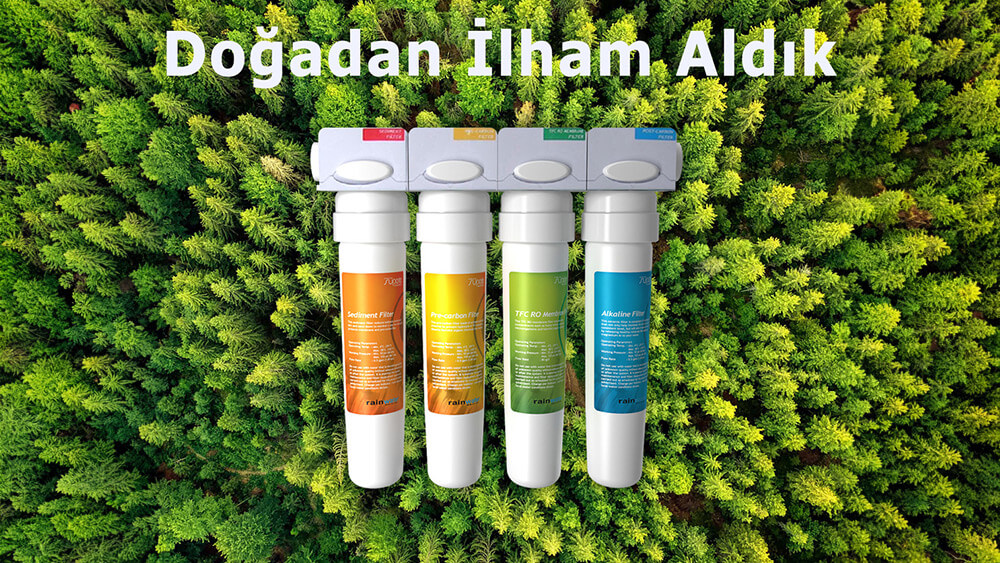
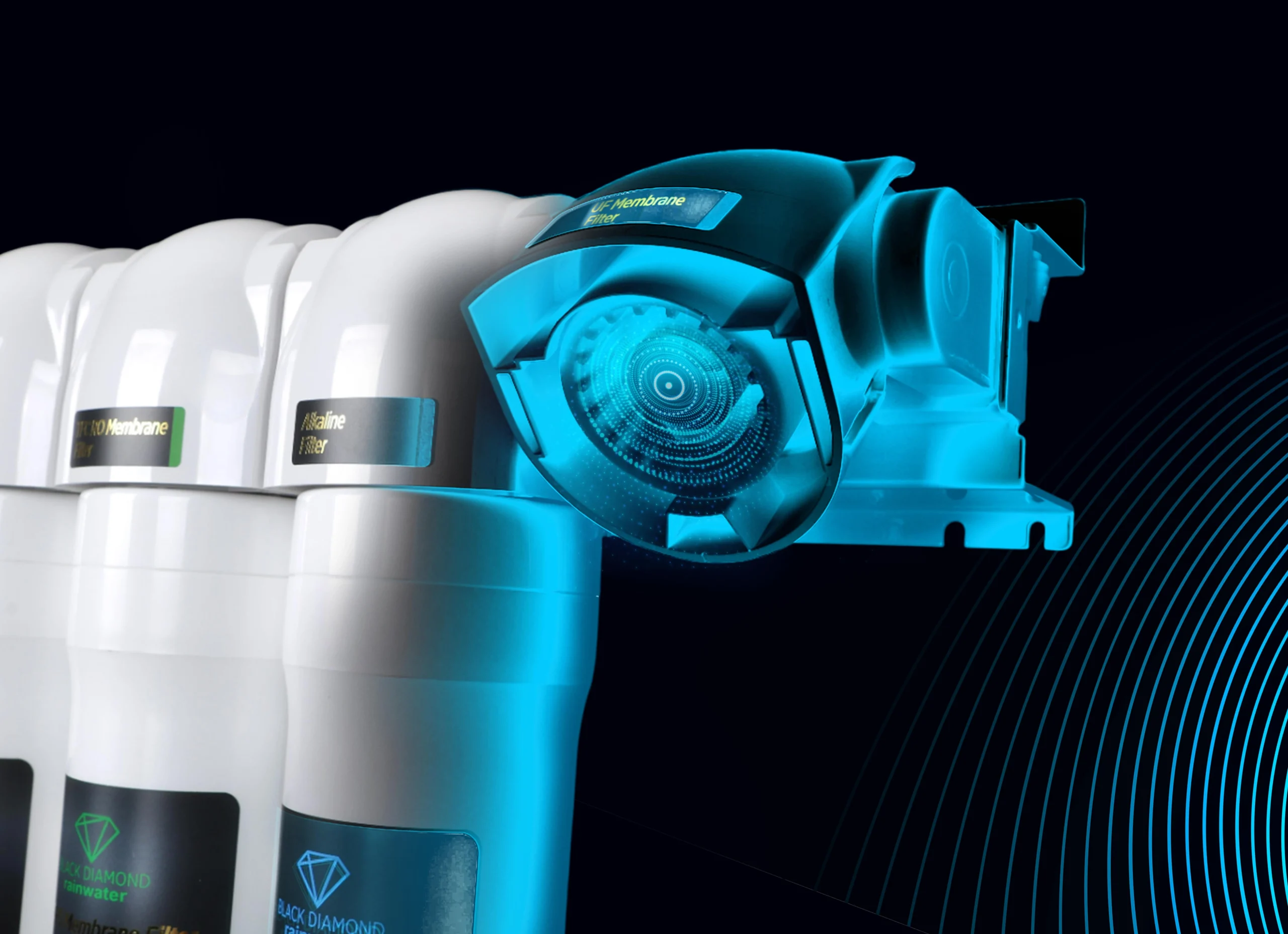
Rainwater offers high quality activated carbon filter solutions in its portfolio of water treatment devices. Rainwater filters using coconut shell-based activated carbon with high adsorption capacity provide maximum chlorine, odour and organic pollutant removal. Block carbon technology combines long contact time and particle retention.
Rainwater filters are designed to work in harmony with other filters in under-counter water purifiers and multi-stage systems to transform tap water into a delicious, odourless and safer drinking water. It optimises the user experience with regular filter change alerts.
 Copy Blog Link