TR
TR
 Blog
Blog Hard water is a type of water that is frequently encountered in daily life but often unrecognised. Although hard water, which contains high amounts of dissolved calcium and magnesium minerals, is clean and clear in appearance, it can have various effects in homes, workplaces and industry. It can lead to limescale deposits in taps and pipes, reduced performance of appliances and reduced effectiveness of soaps and detergents. The characteristics of hard water and the effects of these characteristics on the areas of use vary according to the type of water and the degree of hardness.
Classifications such as temporary hardness, permanent hardness and total hardness make it easier to understand the conditions under which water hardens and the methods by which it can be softened. At the same time, the effects of hard water on health, skin, hair and industrial use are among the important issues to be considered.
What is Hard Water?
Hard water is water with high amounts of dissolved calcium and magnesium salts. These minerals are usually formed when groundwater mixes with water as it passes through rocks or minerals such as limestone and dolomite.
Many people wonder what the water looks like in the subjects of “What is pure water?” or “What is hard water?“. This water, which may be clean and clear in terms of appearance, may cause some problems in daily use due to the mineral density it contains. When used in homes, workplaces and industry, the hardness of the water directly affects both the performance of the devices and the personal use experience.
What are Hard Water Properties?
Hard water is characterised by a high calcium and magnesium content. These minerals can slightly change the taste and odour of the water. Especially in tea, coffee and other hot drinks, hard water can cause taste differences. Hard water causes foaming problems when it comes into contact with soaps and detergents. This reduces the effectiveness of soap and detergent.
It leads to the formation of limescale deposits in pipes, taps and appliances. The higher the degree of hardness, the more pronounced and serious these effects are. Those who want to balance the mineral density in hard water and obtain softer drinking water, water purification filter models suitable for different needs can give a chance.
What are the Harms of Hard Water?
Hard water can cause various problems in both domestic and industrial areas in long-term use. The most common effect of hard water in the domestic environment is limescale build-up on taps, shower heads and hot water pipes. These deposits can reduce water flow and prevent appliances from working efficiently. For example, the use of hard water in washing machines and dishwashers reduces the effectiveness of the detergent and adversely affects the washing result. Due to limescale accumulation, machines consume more energy, water heating time is prolonged and electricity bills may increase. For those who want to use quality and balanced water at home, advanced water treatment devices that minimise the hard water problem offer an important solution.
Hard water can also have negative effects on skin and hair health. Due to its high mineral density, hard water can disrupt the natural oil balance of the skin and cause the skin to dry out. In sensitive skin, this can cause irritation and itching. In hair health, hard water hardens the hair strands, causes dullness and breakage. Loss of shine and softness are common problems in hair that is regularly washed with hard water.
In industrial areas, hard water causes more serious and costly problems. Limescale build-up occurs on the internal surfaces of pipes, boilers, heat exchangers and industrial equipment. These deposits reduce the efficiency of the equipment, increase energy consumption and increase maintenance costs. It also shortens the life of the devices in the long term and increases the risk of failure. In industries such as chemical, food and energy production, water hardness can directly affect production quality and business continuity.
What are the Types of Hard Water?
Hard water is divided into different types depending on the minerals it contains and the source of hardness. Hardness varies according to the type and amount of calcium and magnesium ions in the water. These types are important in determining the area of use of water, the precautions to be taken and the softening methods to be applied.
Temporary Hard Water (Carbonate Hardness)
Transient hardness is hardness caused by calcium and magnesium bicarbonates dissolved in water. This type of hardness can be removed by heating or boiling the water. Because bicarbonates turn into insoluble carbonates with heat and reduce the hardness of the water. At home, the hardness of boiled water can be reduced when making tea, coffee or cooking, and this is also related to temporary hardness.
Permanent Hard Water (Non-Carbonate Hardness)
Permanent hardness is caused by non-carbonate salts such as calcium and magnesium sulphate or chloride. This type of hardness cannot be removed by boiling. Permanent hard water can cause serious calcification problems, especially in industrial boilers and pipes. Therefore, special water softening methods should be applied for permanent hardness.
Total Hard Water
Total hardness is a combination of temporary and permanent hardness. When analysing water quality, total hardness values are measured and this value plays a critical role in determining for which uses the water is suitable. Total hardness is one of the most important indicators that determine the performance and safety of water, especially in drinking water and industrial applications.
How to Soften Hard Water?
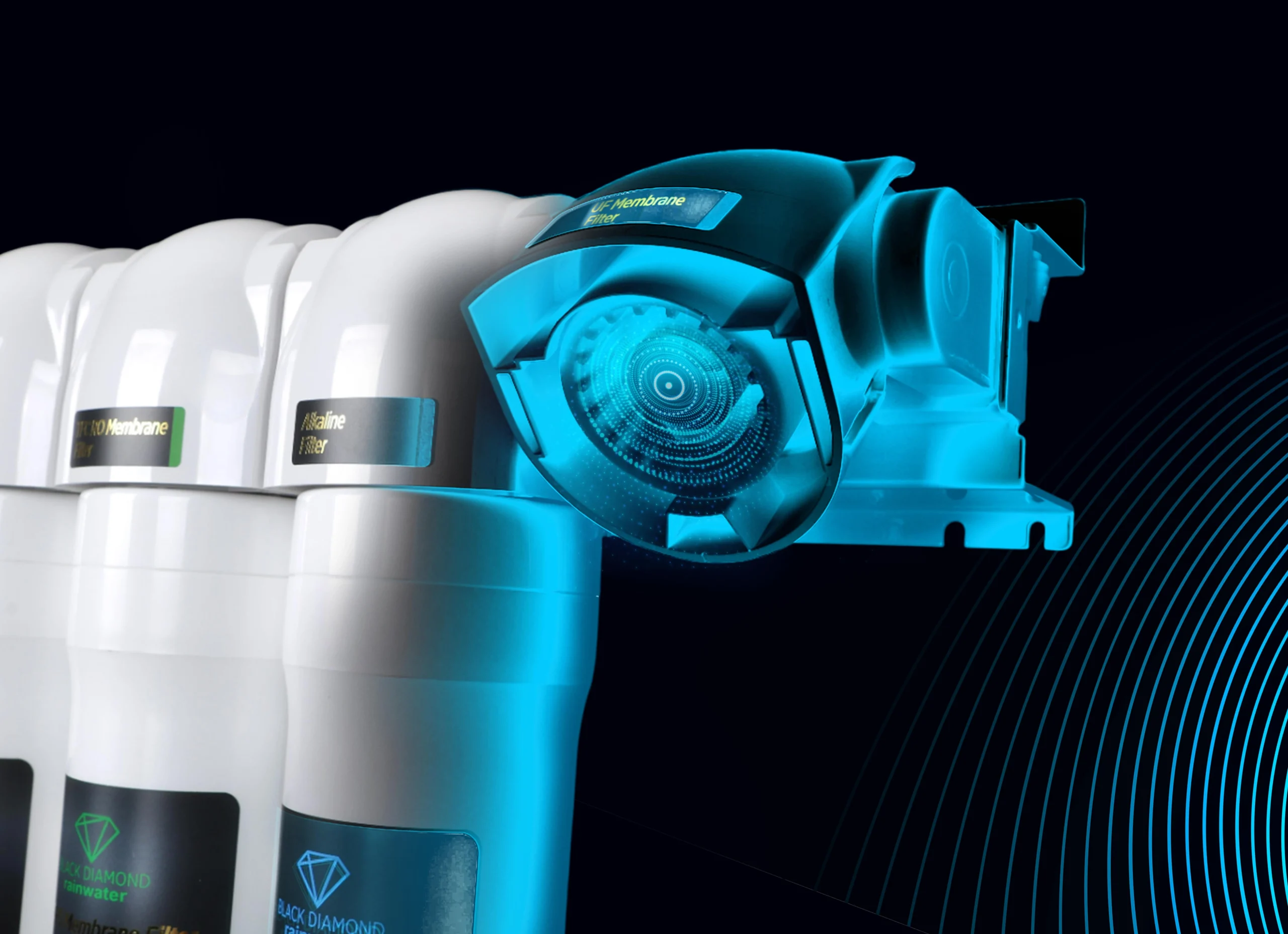
There are various methods of softening water and which method to choose depends on the degree of hardness of the water, the intended use and economic conditions. One of the most commonly used methods in households is the water purification tapthat works with ion exchange resins. These devices replace calcium and magnesium ions in the water with sodium or potassium ions. This significantly reduces the hardness of the water and makes it more suitable for domestic use. This method is particularly effective for preventing calcification in washing machines, dishwashers, showers and taps.
In addition, reverse osmosis systems are among the effective methods used to soften hard water. Reverse osmosis devices filter water through a semi-permeable membrane and remove most of the minerals such as calcium and magnesium from the water. This method both improves drinking water quality and extends the life of the devices and pipes.
Chemical softening methods are widely used especially in industrial areas. In these methods, phosphates, polyphosphates or sodium-based chemicals are used to reduce hardness in water. Chemical softening is preferred in cases where the hardness of the water is very high and sometimes it is applied together with ion exchange methods to provide higher efficiency.
In industrial plants, special dosing systems and filtration methods are used for hardness control. These systems continuously monitor large volumes of water and keep hardness under control. When the hardness of the water is very high, the combination of more than one method usually provides a more effective and economical solution. For example, after pre-softening with ion exchange devices, reverse osmosis or chemical softening can be applied.
How to Measure Water Hardness?
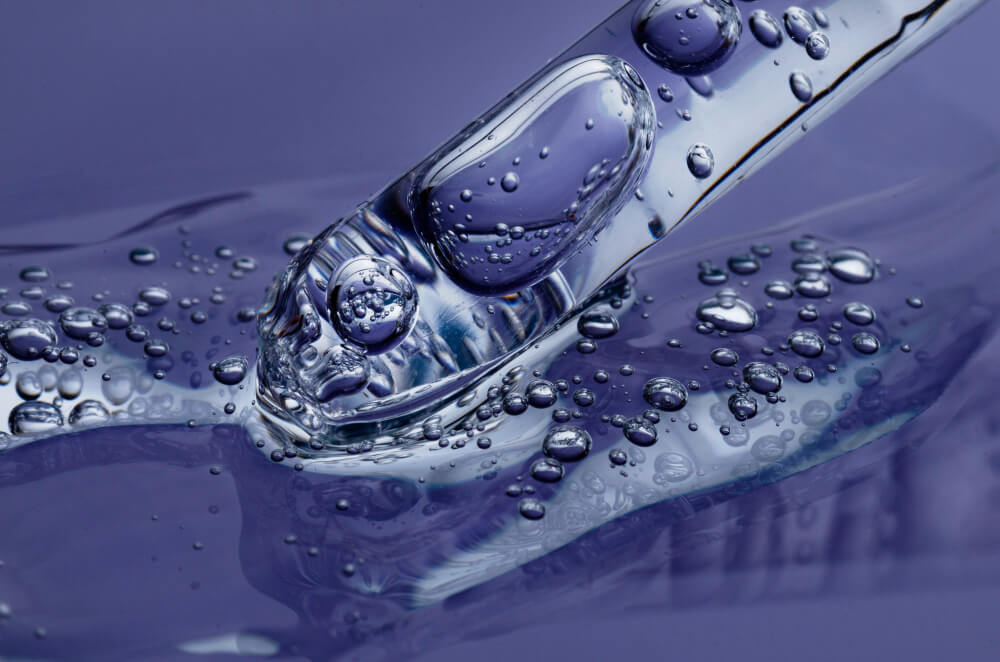
Water hardness can be measured by laboratory tests or household test kits. Hardness is usually expressed in calcium carbonate (CaCO3) and units of ppm (parts per million) or dH (German degree of hardness) are used. While household measurements can easily be made with dropper tests or strip tests, more detailed analyses determine the mineral composition of the water in the laboratory. Hardness measurements are critical in determining the suitability of water for its intended use and the need for water softening.
Can I Drink Hard Water?
Hard water is generally suitable for drinking and does not pose a serious health risk. The calcium and magnesium minerals it contains are beneficial for the body and contribute to the daily mineral requirement. However, excessive consumption of hard water, especially water with very high mineral content, may contribute to digestive problems or kidney stone risk in some people. For this reason, some softening or filtering of water may be recommended for water with high hardness. Softened water not only tastes better but also provides a protective effect for household appliances and pipes.
 Copy Blog Link