TR
TR
 Blog
Blog In recent years, the effects of hexagonal water on metabolic efficiency have been increasingly investigated by people interested in healthy living and functional water technologies. Water is not only one of the basic building blocks of the human body, but also an element that plays a direct role in the efficient progress of metabolic processes. Vital functions such as maintaining intracellular and extracellular fluid balance, energy production, nutrient transport and waste removal are largely associated with the quality of the water consumed.
It is suggested that water can be used more easily by cells thanks to its molecular organisation and that this can support metabolic efficiency. The curiosity of its effects especially in areas such as energy metabolism, cellular regeneration and oxidative balance are among the main reasons that distinguish hexagonal water from conventional drinking water. In this context, what hexagonal water is, how it acts in the body and its relationship with metabolic processes offer an important evaluation area in terms of conscious water consumption.
What is Metabolism?
Metabolism is the general name for all chemical and biological reactions that take place for your body to survive. From respiration to digestion, from cell renewal to hormone production, every process is considered as part of metabolism. This system includes the production and utilisation of energy as well as the removal of waste materials. In order for metabolism to function properly, it is extremely important to maintain intracellular and extracellular fluid balance because water is the basic medium in which biochemical reactions take place.
What is Metabolic Efficiency?
Metabolic efficiency refers to how effectively the body can convert the nutrients and oxygen it receives into energy. It is not only about speed, but also about how well resources are utilised. The easy access of cells to the fluid they need helps to reduce losses in energy production. At this point, the concept of metabolic efficiency is directly related to water utilisation capacity at the cellular level.
What is Hexagonal Water?
The question “what is hexagonal water?” is often raised by those interested in functional water types. It is suggested that the molecules of this water are organised in hexagonal clusters and that this arrangement is more compatible with biological systems. It is thought that the introduction of this structure, which is observed in ice crystals in nature, into drinking water in a similar form can support cellular processes.
Normal Water vs Hexagonal Water: Structural Differences
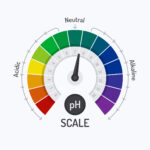
While molecules form random clusters in normal drinking water, it is argued that there is a more regular organisation in water with a hexagonal structure. It is stated that this organisation may facilitate the passage of water through the cell membrane. In addition, while making this comparison, the question “is water acid or base?” gains importance. Because the pH value of water is an important factor that can affect the speed and direction of metabolic reactions.
Cellular Absorption Advantages of Hexagonal Water
The most emphasised feature of water is that it is more easily absorbed by cells. The semi-permeable structure of the cell membrane is more favourable to the passage of molecules of a certain size and regularity. This may help to maintain intracellular fluid balance. Adequate hydration of cells may indirectly contribute to the reduction of the harmful effects associated with oxidative stress, which is included in the answer to the question “what are free radicals?”.
What is the Relationship between Hexagonal Water and Metabolic Efficiency?
The effects of hexagonal water on metabolic efficiency are explained by the ability of cells to use water more effectively in energy production processes. Enzymatic reactions within the cell take place more stably in an adequate and balanced fluid environment. This can help to reduce losses that may occur during the conversion of nutrients into energy. In the long term, this may contribute to a more balanced overall metabolic performance.
How to get hexagonal water?
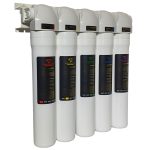
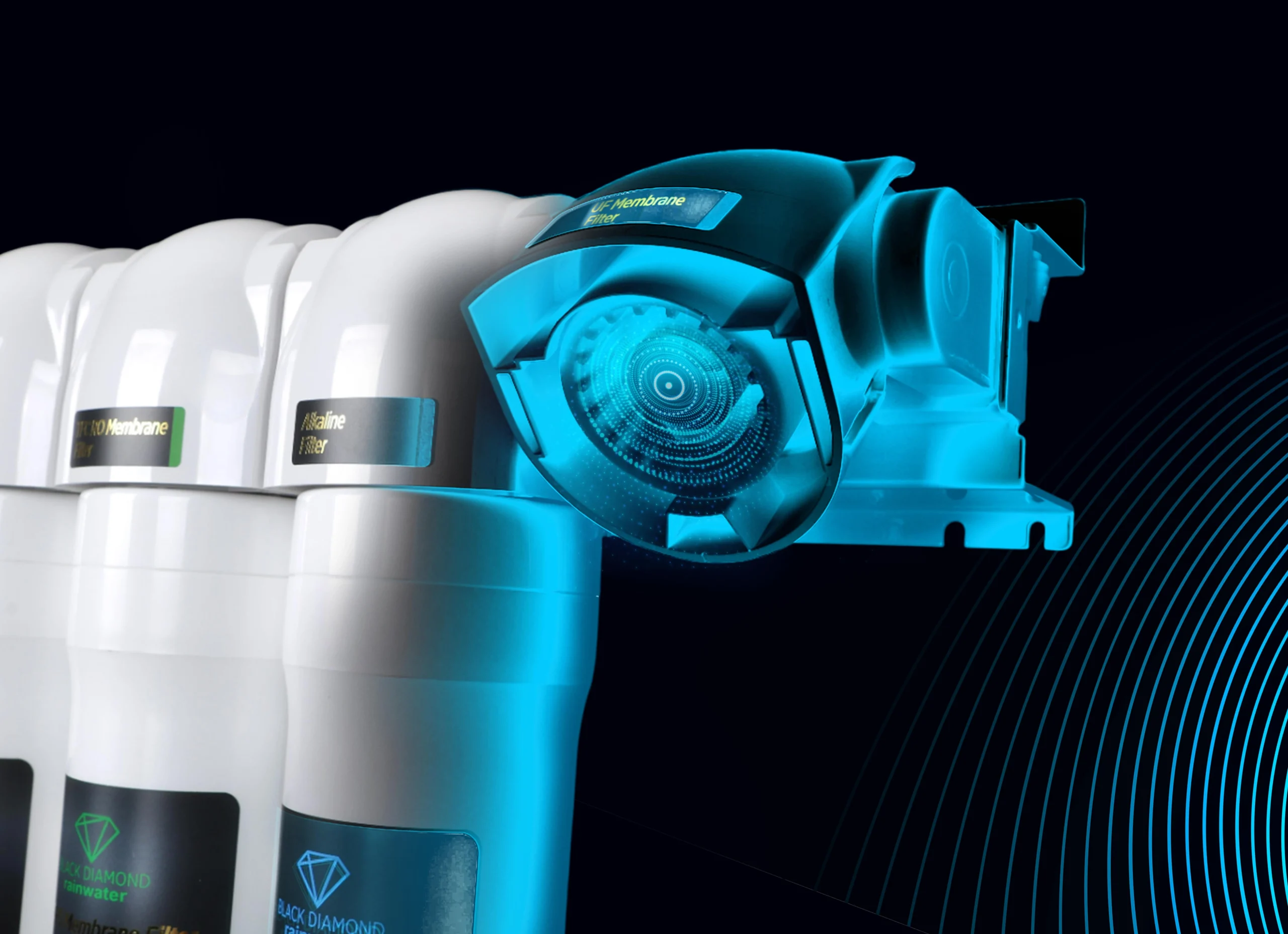
Hexagonal waters are usually produced using advanced technology systems. In this process, equipment such as water purification filters can be used. The purpose is expressed as the removal of unwanted substances in the water and the reorganisation of the molecular structure. During these processes, the mineral balance and physical properties of water are tried to be preserved.
Comparison of Hexagonal Water and Other Water Types
Water consumed in daily life may show different characteristics in terms of mineral balance, treatment method, pH level and molecular structure. These differences can directly affect the way water is used by the body and its contribution to metabolic processes.
Tap Water
Tap water is purified and delivered to the consumer through city networks. It is suspicious in terms of health and has standard features in terms of molecular structure. Therefore, there is no expectation that it offers special support to metabolic processes and the need for water purifier arises at this point.
Bottled Water
Bottled waters are usually obtained from natural sources and their mineral content is preserved. However, it does not contain a special arrangement in terms of cellular absorption as it shows structurally classical water properties.
Purified Water
Purified water is characterised by being free from harmful chemicals and heavy metals. Thanks to its clean content, it can be easily used by the body but is considered standard in terms of molecular organisation.
Alkaline Ionised Water
Alkaline ionised water is a type of water with an increased pH value and is stated to offer antioxidant properties. It can indirectly contribute to metabolic processes by supporting acid-base balance.
Distilled Water
Distilled water is pure water purified from all minerals. Although it does not cause problems in short-term use, attention should be paid to the risk of mineral deficiency in the long term.
Does Hexagonal Water Help in Weight Loss?
Among the benefits of hexagonal water, there are evaluations that it may contribute to the weight loss process indirectly, not directly. Weight control basically depends on the balance between energy intake and energy expenditure, and water consumption plays an important role in maintaining this balance in a healthy way. Adequate hydration of cells can help metabolic reactions to proceed more regularly and this can support the body to use energy more effectively.
The view that water can be more easily transported into the cell leads to the idea that cellular energy production processes can work more efficiently. Adequate water intake may help maintain metabolic balance by contributing to the optimal functioning of enzymes involved in fat and carbohydrate metabolism. This may pave the way for increased physical performance and more effective energy utilisation during training, especially in individuals who exercise regularly.
In addition, adequate fluid consumption may help prevent unnecessary calorie intake by contributing to an earlier feeling of satiety. This effect is generally associated with water consumption rather than being specific to hexagonal water, but it is thought that more efficient use of water by the body may support this process. However, hexagonal water benefits alone should not be expected to provide weight loss. For a healthy and permanent weight loss process, balanced nutrition, regular physical activity and lifestyle habits should be considered holistically.
Are There Side Effects of Hexagonal Water?
In general, water produced in accordance with drinking standards does not have serious side effects. However, since the metabolic structure of each individual is different, excessive or unconscious consumption may cause stomach upset, temporary changes in electrolyte balance or an unusual feeling of fullness in some sensitive people. It is recommended to be cautious before adding a new type of water to your daily routine, especially for people with chronic diseases, who take regular medication or who need to pay attention to mineral balance.
In addition, the source, production method and mineral content of water can also affect the body’s response to water. Therefore, it is important to prefer products that have undergone reliable production processes and comply with quality standards. Considering the question “what is dehydration?”, which occurs when not enough fluid is taken, it should not be forgotten that the most important factor, regardless of the hexagonal structure, is regular, balanced and individualised water consumption.
 Copy Blog Link