TR
TR
 Blog
Blog What are phthalates commonly used in modern industry and what are they for? Phthalates are industrial chemicals used to improve the flexibility and durability of plastics. They are mainly produced to soften hard plastics such as PVC (polyvinyl chloride), making them harder to break. For this reason, they are described as “plasticisers” that ensure the processability and longevity of plastics.
What is Phthalate and Where is it Used?
Phthalates are widely used to make plastic materials flexible. Their areas of use are extremely wide. “What are the products containing phthalates?” They can be found in vinyl floor coverings, shower curtains, plastic toys, raincoats, cable and pipe coatings, medical tubes and even some cosmetics (hairspray, nail polish, perfume). They are found in many consumer products, from packaging materials to furniture polishes.
The prevalence of these chemicals is not limited to the production stage. During the lifetime of the products, especially when exposed to factors such as heat, ageing or physical wear, phthalates can detach from the surface and migrate into dust, air and contacted skin. This “leaching” property makes them an environmental contaminant and a source of exposure for the human body. A product containing phthalates may therefore pose a health threat not only through direct contact but also indirectly by affecting indoor air quality and house dust.
What are Phthalate Types and Properties?
Different types of phthalates are classified according to their molecular structure and have different properties. The main difference between phthalate types is their molecular chain length, which is directly related to their potential impact on health. Low molecular weight phthalates such as DEHP, DBP, BBP are absorbed faster in the body and may show stronger endocrine disrupting effects. For this reason, their use is restricted or banned in many countries, especially in children’s products and toys.
High molecular weight ones such as DINP and DIDP have been developed as alternatives to those with lower safety profiles, although they are less volatile and relatively more difficult to excrete; however, research on their long-term effects is ongoing.
DEHP (Di(2-ethylhexyl) Phthalate)
is the most widely used type in flexible PVC products.
DBP (Di-n-butyl Phthalate)
It is mostly found in cosmetic products and adhesives.
BBP (Butyl Benzyl Phthalate)
It is used in floor coverings and automotive products.
DINP and DIDP
High molecular weight phthalates such as DINP and DIDP are considered to be of a newer generation and have started to replace DEHP in toys and cable outer sheaths.
How do phthalates get into drinking water?
There are several main ways in which phthalates can enter drinking water. Untreated industrial wastewater can leach these chemicals into groundwater and surface water. In addition, plastic water pipes, PVC water tanks or flexible hoses can corrode over time and release phthalate compounds into the water. The question “Are there phthalates in plastic bottles?” is important; sun exposure or heating, especially of disposable and soft plastic bottles, can accelerate the transfer of phthalates into water.
Another critical point in phthalate exposure from drinking water is the limited effectiveness of wastewater treatment plants. Conventional water treatment processes are not always sufficient to completely remove micropollutants such as phthalates. In addition, leachate (leachate) from landfills can also contaminate groundwater. Therefore, no matter how well the mains water supply is treated, old plastic pipes in distribution lines reaching households or domestic storage tanks are secondary sources that can re-contaminate water before it reaches the end user.
Harm of Phthalates to Human Health
In detail, the health hazards of phthalates are multifaceted and affect the body, especially the endocrine (hormonal) system. Hormonal effects of phthalates are the most obvious risk factor; they disrupt hormonal balance by mimicking or inhibiting natural hormones in the body.
Phthalate has negative effects on reproductive health; it can reduce sperm quality in men and affect ovarian function in women. Exposure during pregnancy may increase the risk of premature birth and adversely affect the neurological development of the baby.
They have been associated with metabolic disorders such as obesity, diabetes, asthma and allergic reactions in children. There are studies suggesting that some types of phthalates may increase the risk of certain types of cancer, such as liver cancer.
The harmful effects of phthalates occur with chronic and low dose exposure rather than acute poisoning. They can enter the body through inhalation, digestion and skin. Their most worrying feature is that they mimic or block the body’s natural signals by binding to hormone receptors. For example, they can inhibit androgen (male hormone) activity, leading to disturbances in the development of the male reproductive system.
On the other hand, it is also known to adversely affect thyroid hormone function. This can have far-reaching consequences on metabolic rate, growth and development.
Phthalate Exposure and Risks in Children
Phthalate exposure in children is of concern. Children tend to chew plastic toys and teethers as they explore their environment through their mouths. They are also exposed to more substances relative to their body weight and their developing systems are more sensitive to these chemicals. This exposure can lead to behavioural problems, attention deficit, hormonal development disorders and allergic diseases in children.
Phthalate BPA Relationship: Endocrine Disruptors
Bisphenol A, the answer to the question ” What are phthalates and BPA ?”, are the most widely known endocrine disrupting chemicals. Both are used in plastic production and have similar effects on the hormonal system. The differences are their chemical structures and areas of use. BPA is more commonly found in rigid plastics (e.g. water carboys, baby bottles) and the inner lining of tin cans, while phthalates are associated with flexible plastics. Similar precautions should be taken to protect against both.
How to Protect Yourself from Phthalates?
There are practical answers to the question “How can we protect ourselves from phthalates?”. Firstly, plastics with recycling codes #3 or #7 (usually PVC or others) should be avoided. Alternatives such as glass, ceramic or stainless steel should be preferred whenever possible. Plastic containers should not be microwaved or washed in the dishwasher. In the search for phthalate-free cosmetic products, products labelled “phthalate-free” should be selected, and care should be taken with scented products.
Protection from Phthalates in Drinking Water and Water Treatment Solutions
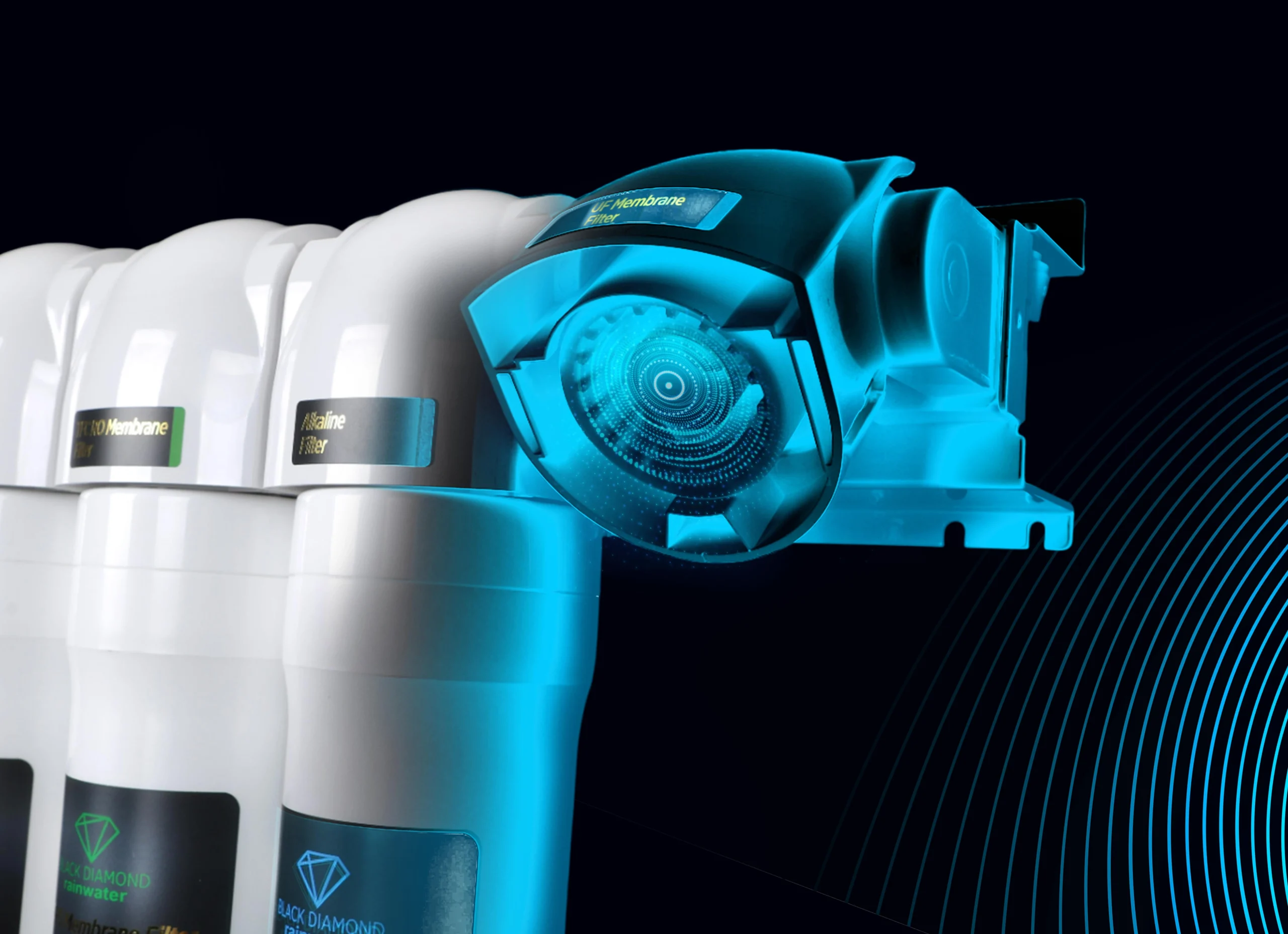
Effective water purifiersare an important solution for protection against phthalates, one of the biggest threats to drinking water quality. Especially when “What is reverse osmosis?” is researched, it is seen that this technology removes up to 99% of very small molecule contaminants, including phthalates, by passing water through a very thin membrane at high pressure. These systems usually work in combination with an activated carbon filter as a water purification filter. The activated carbon improves the quality of the water by retaining organic compounds and extends the life of the reverse osmosis system.
Phthalate Free Clean Water with Rainwater
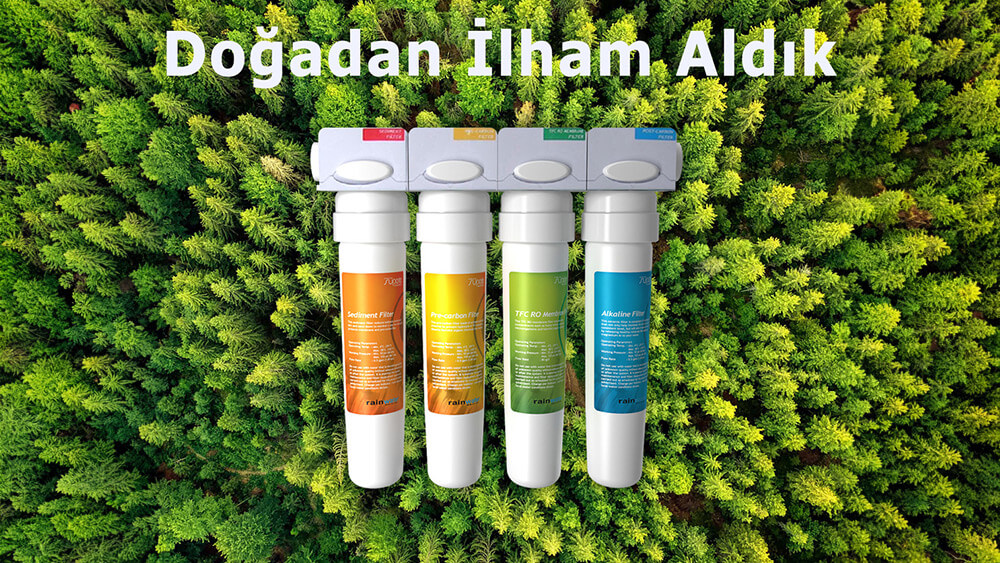
Rainwater water treatment technologies are an effective way to access phthalate-free and safe drinking water. Using advanced filtration systems and reverse osmosis technologies, the devices minimise the risk of phthalate contamination in tap water. The question “is phthalate excreted?” should be kept in mind; although phthalates can be metabolised in the body and excreted through urine, continuous exposure can have a cumulative effect. Therefore, ensuring the quality of the water we regularly consume is a fundamental step in reducing long-term health risks. Reliable treatment solutions such as Rainwater provide this continuity and support the foundation for a healthy life.
The importance of high-tech water treatment systems such as Rainwater lies not only in their ability to remove contaminants, but also in their ability to deliver consistent and traceable water quality. Contamination levels in mains water can vary seasonally, regionally or due to infrastructure. A professional water treatment solution eliminates this variability, ensuring that the same high standard of phthalate-free, clean water always flows from your tap. This is a long-term investment and safety measure, especially for families and health-conscious individuals who want to minimise risks such as phthalate exposure in children.
 Copy Blog Link