TR
TR
 Blog
Blog Today, access to clean water has become a health necessity rather than a luxury. If you are looking for both a healthy and economical solution in your home, the first question on your mind is probably this: Which is the best water purifier and what should I consider when choosing? With hundreds of brands, different filter technologies and varying price ranges on the market, making the right decision can be confusing. In this comprehensive guide, we have analysed the most up-to-date technologies of 2026, the importance of NSF certification and how to choose the ideal device for your home from an unbiased expert’s perspective.
Many users can make the wrong choices by focusing only on price. However, the main criterion when buying a water purifier; The quality of the water produced by the device, the reliability of the filters and the hygienic structure of the tank should be. In this article, carboy water will allow you to say goodbye to the water, does not take up space in your kitchen and we are discussing the systems that produce the safest water for your children.
Why should you buy home water purifier? (Carboy vs. Treatment)
The use of traditional carboys has been replaced by household treatment systems in recent years due to both cost increases and health concerns. Research shows that harmful chemicals such as microplastics and Bisphenol-A (BPA) can be mixed into water if plastic carboys are exposed to sunlight for a long time or recycled many times.
Cost Comparison: A family of 4 people consumes 3-4 carboys of water per week on average. 2026 year based on carboy prices, annual water costs constitute a serious budget. Whereas a quality water purifier, amortises itself within an average of 8-12 months.
Health and Comfort:
- Fresh Water: Your water does not wait, it is purified instantly and flows fresh from the tap.
- Reducing Plastic Waste: By using a purifier, you can prevent an average of 3,000 plastic bottles from being thrown into the environment per year.
- Effortless: No more constantly ordering water, carrying carboys or worrying about “running out of water”.
Best Water Purifiers of 2026: Quick Comparison List
When we categorise the devices on the market according to the needs of consumers, some key features stand out that set quality standards. Here is a quick overview:
| Category. | Highlights | Who is it suitable for? |
| Premium Smart Devices | Steel tank, digital display, high pH (Alkaline), NSF fully certified. | Those who do not compromise their health and seek technology. |
| Compact Under Counter | Closed case (with cabinet), space-saving design, leakage sensor. | Those who have limited space in their kitchen and those who like minimalism. |
| High Capacity (Sebil) | Hot/Cold feature, high flow rate, large tank capacity. | Offices and large families. |
| Price/Performance | Standard 5-stage filtration, plastic tank, manual operation. | Those who have a limited budget but want clean water. |
Editor’s Note The best water purifier is one that not only cleans the water, but also mineralises it and uses the most hygienic materials (e.g. stainless steel tank).
Water Purifier What to Consider When Buying? (Expert Criteria)
Not every device sold with the “best” label may fulfil its promises. For a long-lasting and healthy use, you should definitely question the following 5 technical criteria.
1. NSF Certification and Certification
The most prestigious authority in the water treatment sector is NSF International. It is not enough just to write “NSF compatible” on a device; it must have documents showing that the parts or the entire device has been tested and approved according to NSF/ANSI 58 standards. Especially premium brands such as Rainwater have gained the trust of consumers by attaching great importance to these certification processes. It is a conscious consumer habit to make a certificate enquiry from the NSF official site.
2. Filter Technology and Membrane Quality
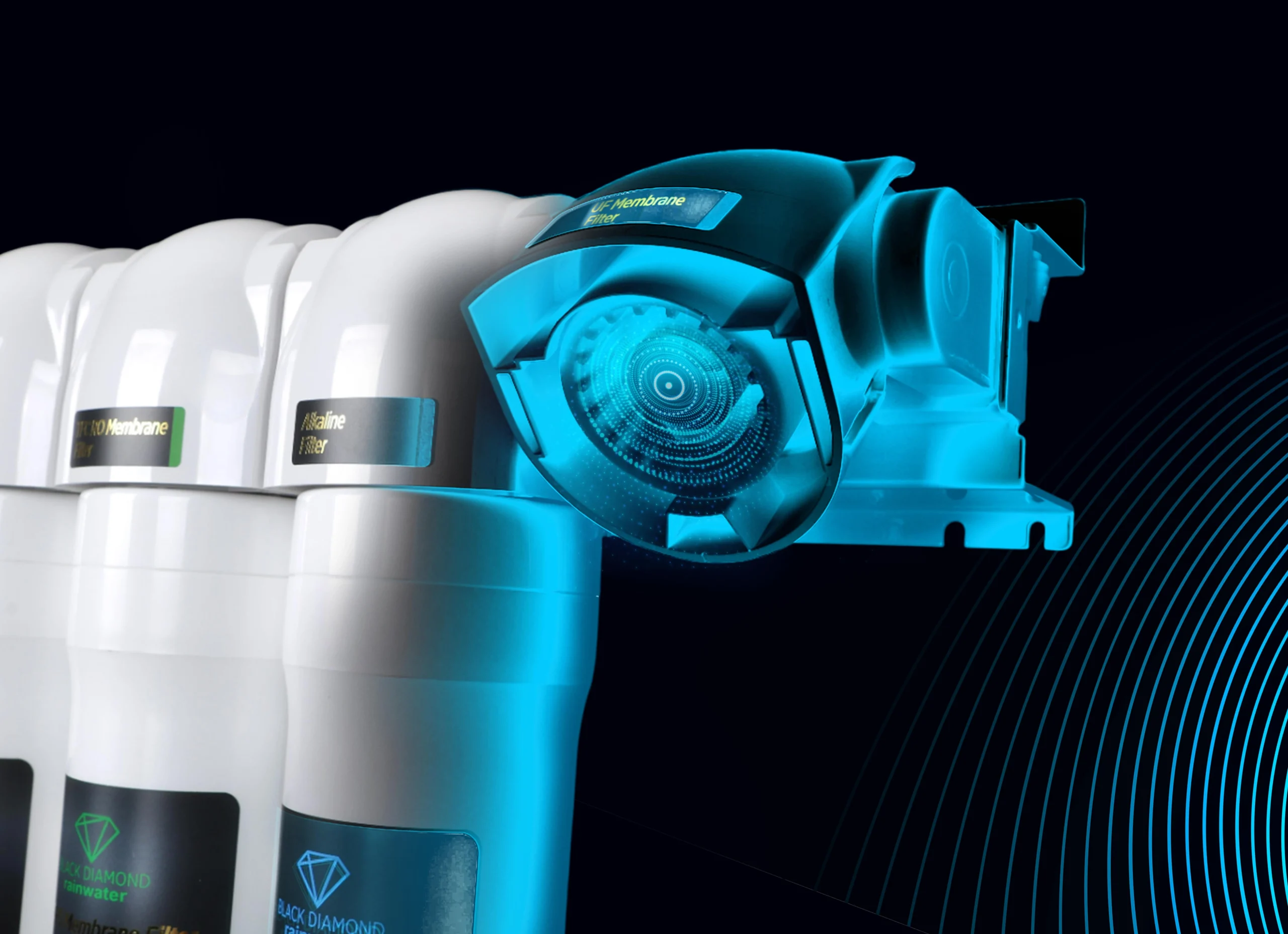
The heart of the device is the “Membrane Filter”. The success of reverse osmosis technology depends on the pore structure of the membrane used.
-WorldStandards: Devices using membranes from global manufacturers such as LG Chem, Dow Filmtec and Vontron remove 99% of heavy metals such as arsenic, lead and mercury in water. -Local or unnamed membranes may clog in a short time and filtration quality may decrease.
3. Water Tank Material (Steel vs. Plastic)
This issue is often overlooked, but the place where the water is waiting is at least as important as the filters.
Plastic Tanks: Over time, it can prepare the ground for the formation of bacteria and deteriorate the taste of water.
Stainless Steel Tanks: It prevents bacterial growth, does not smell and is the most hygienic option. In the best water purifier models, stainless steel tank standard should generally be sought.
4. Waste Water Rate and Efficiency
Old type treatment devices used to send 3-4 glasses of water to the sewerage as waste for 1 glass of clean water. However, efficient devices developed with 2026 technology, this ratio has been reduced to 1: 1 levels. You should choose models with flow restrictor technology that are both environmentally friendly and do not inflate your water bill.
5. With or without pump?
This choice is entirely related to the water pressure of the building you live in.
Pumpless Devices: It works in places where the mains water pressure is 4 bar and above (generally entrance and middle floors).
Appliances with Pump: If you live on high floors or have low water pressure in your area, a model with an electric pump is essential for efficient operation of the device. Otherwise, it may take hours to fill the tank.
Detailed Review: Most Preferred Water Purifier Categories
You will be pleased to choose the right “type” of device for your needs, rather than the brand name. Here are the most powerful categories of the market:
1. Premium Intelligent Systems (Highest Recommendation)
This category is the choice of those who invest in their health. In this segment, which is usually dominated by well-established brands such as Rainwater, devices not only purify water.
Features: Stainless steel tank, digital filter monitoring system, automatic leak sensor and patented alkaline filters such as Biocera.
Advantage: It helps to regulate the acid balance of the body by increasing the pH value of water to 8.0-9.5.
2. Closed Case Compact Models (Under Bench)
Designed for modern kitchens, these devices store all filters and the tank in a stylish box.
Features: “Inline” filter technology is used (capsule filter). This makes filter replacement much easier and more hygienic (hands-free replacement).
Advantage: It does not take up space under the worktop, does not create pollution and does not look like a mess of pipes when viewed from the outside.
3. High Flow Direct-Flow Devices
These are models that do not have a tank or have a very small tank, but have a very high instantaneous water production capacity.
Specifications: They typically use 300-400 GPD (Gallons Per Day) membranes.
Advantage: Fresh water production is maximum, no waiting time in the tank. However, the pressure requirement is high.
4. Office and Workplace Type Water Dispenser Models
It is a combination of purifier and water dispenser.
Features: Connects directly to the mains, purifies itself and delivers water hot/cold.
Advantage Completely ends the trouble of changing carboys and storage problems in offices.
Water Purifiers Correctly Known Mistakes About Water Treatment Devices
Some urban myths circulating among consumers can lead to the wrong choice of device.
“Is Purified Water Dead Water?” (Mineral Issue)
The reverse osmosis system purifies the water so well that it can take some of the useful minerals along with the harmful substances in it. However, a quality water purifier restores calcium, magnesium and potassium to the water by using “Mineral Filter” or “Alkaline Filter” at the last stage. In other words, the water you drink from the right device is not “dead”, on the contrary, it is “live” water with adjusted mineral balance.
“The More Filters, the Better?”
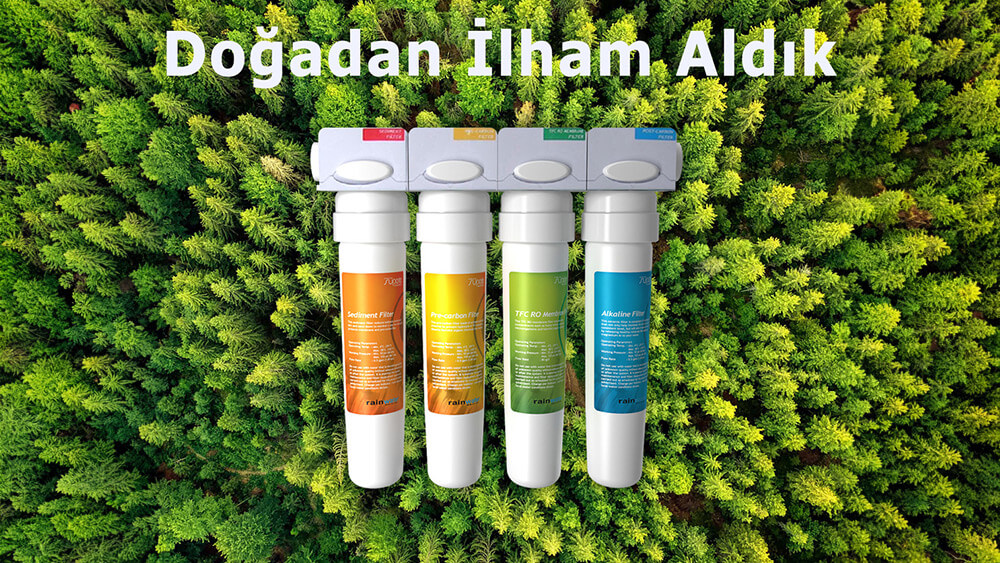
You can see devices on the market that claim to have 12, 13 stages. This is usually a marketing tactic. An ideal water purifier should have 5 or 6 stages:
- Sediment
- Activated Carbon (Chlorine)
- Block Carbon (Fine particle)
- Membrane (Main treatment)
- Post Carbon (Flavouring)
- (Optional) Mineral/Alkali Filter
When the number of filters increases unnecessarily, the number of connection points also increases, which does nothing but increase the risk of water leakage. In addition, the risk of bacterial growth may increase as the water passage path lengthens.
2026 Current Water Purifier Prices
Water purifier prices in 2026, depending on the quality of the components used and exchange rates are in a wide range.
- Entry Level (Open Case): Generally local assembly products. They are affordable but their filter life may be short and their tanks are usually plastic.
- Middle Segment (Closed Case): These are the models that use NSF approved filters and have a service guarantee. Price / performance balance is the highest group.
- Premium Segment (Imported/Smart): These are devices that produce at global standards such as Rainwater, have steel tanks, smart warning systems and produce high alkaline water. Although the initial purchase cost is higher, it is the most economical solution in the long term with long-lasting parts and low failure rates.
When doing price research, you should look not only at the sticker price of the device, but also at the annual filter replacement costs and the prevalence of the company’s technical service network.
Which device is right for you?
The best water purifier is the one that best suits your lifestyle and health expectations.
- If you say “My health is more important than anything else, I want to drink the purest and most alkaline water, and my tank should be steel”; your choice should definitely be the top models of proven brands such as Rainwater in the Premium segment.
- If you say “My budget is limited but I want to get rid of the carboy”, a medium segment under-counter model with a reliable service network and NSF certificate will do the job.
Remember, the water purifier is a white goods and will serve in your kitchen for years. When making your choice, consider not only today, but also the assurance of service and spare parts for years to come.
If you want to discover the most suitable model for your home and get detailed information, you can view our product catalogue. We wish you healthy days!
Frequently Asked Questions (FAQ)
How many pH values should a good water purifier produce?
The ideal drinking water pH value for human health is between 7.5 and 8.5. Water with this value is called “slightly alkaline” and supports body metabolism.
When do water purifier filters change?
Although it varies according to the intensity of use and the pollution of the mains water; pre-filters (first 3 stages) should generally be replaced every 6-8 months, membrane and final filters every 12-18 months. Devices with digital display inform you about this time.
Does the purifier spoil the taste of the water?
No, on the contrary, it improves it. “Post Carbon” filters made of coconut shells give the water a spring water flavour. It completely eliminates chlorine odour and metallic taste.
Is LG membrane or Vontron membrane better?
Both are quality brands recognised in the sector. However, LG Chem technology is one step ahead with its high salt removal rate and long life, especially in household appliances. When buying a device, be sure to confirm whether the membrane is original or not.
 Copy Blog Link