TR
TR
 Blog
Blog Water, which is the basic substance of life, is one of the substances that must be present in nature in order for living things to survive. Considering this situation, the question ” How should drinking water quality be?” is one of the basic conditions for maintaining a healthy life. Quality drinking water is water that can be consumed without any risk to human health, is clear, odourless, pleasant to drink and has certain chemical-physical properties. Not only being clean, but also containing a balanced mineral structure defines the ideal quality. In this context, healthy drinking water characteristics should include both microbiological safety and optimal mineral content.
What is Drinking Water Quality?
For a healthier and more vigorous life, drinking water quality is a measure of the suitability of water for human consumption in terms of physical, chemical, radiological and biological parameters. This concept refers not only to the absence of contaminants in the water, but also to the properties of the water such as pH, hardness and trace element content within optimal ranges. Quality must be maintained throughout the entire process from the source of water to the tap (collection, treatment, storage and distribution).
At this point, you may ask “How can you tell the quality of tap water?”. Although the quality of tap water; visual clarity, smell and taste give the first clues, full confidence cannot be achieved without a comprehensive analysis. So, what are the drinking water standards?
Drinking Water Quality Standards
Drinking water quality standards refer to the legal regulations determined worldwide and in our country. In Turkey, the “Regulation on Water Intended for Human Consumption” is the main regulatory document in this regard. Similarly, World Health Organisation (WHO) and US Environmental Protection Agency (EPA) guideline values are accepted as global references. These standards set maximum acceptable concentration (MCL) limits for hundreds of contaminants that can be found in water. Drinking water quality parameters are defined within the framework of these standards and constitute a set of values that should be checked regularly.
Features Required in Drinking Water
Good quality drinking water has certain physical and chemical properties. These properties determine the safety of the water as well as its flavour and benefits to the body.
pH Value (Acidity-Basicity Balance)
“What is the pH value of water? ” you may be wondering. This question refers to a logarithmic scale between 0-14 that indicates whether the water is acidic or basic. The pH of ideal drinking water should generally be between 6.5 and 8.5, slightly alkaline or neutral. Acidic water below this range can dissolve metals in pipes, while very alkaline water above this range can cause flavour problems.
TDS (Total Dissolved Solids)
The question “How many TDS should be in drinking water?”, which is researched by many people, gives a general idea about the mineral richness and purity of water. TDS is the total concentration of minerals such as calcium, magnesium, sodium, potassium, bicarbonate dissolved in water. The general acceptance for a pleasant drinking water is that the TDS value is in the range of 50-300 mg/L. Very low values (e.g. below 10 mg/L) can be “aggressive” and soft, while very high values can be unpleasant and mineral laden.
Mineral Content
The mineral content of drinking water is very important for health. Calcium and magnesium are essential for bone health and muscle function. These minerals also determine the “hardness” of the water. Sodium and potassium are important for the body’s fluid balance and nerve conduction. A balanced mineral content adds flavour to the water and helps to meet some of the body’s daily mineral needs.
Hardness Value
Water hardness is mainly related to the amount of calcium and magnesium ions in the water. Very soft water (low mineral) tends to dissolve metals from pipes, while very hard water (high mineral) is unfavourable in terms of taste and can dry the skin. Ideal drinking water should be of medium hardness (50-150 mg/L CaCO3).
Colour, Smell and Taste
Quality drinking water should be clear and free from turbidity. It should not have any offensive odour (chlorine, sulphur, mould) or taste (metallic, bitter, salty). A neutral taste and odour is the most basic indicator that water is free from organic or chemical contamination.
Contaminants that should not be found in drinking water
There are various groups of contaminants that threaten drinking water safety and it is essential that they are absent in the water or well below established limits.
Microorganisms (Bacteria, Virus, Parasite)
Pathogens such as E. coli, coliform bacteria, Giardia, Cryptosporidium and hepatitis viruses are the main cause of waterborne diseases. These microorganisms should not be present in drinking water. Chlorine used for disinfection in municipal water is the main method to control this risk.
Chemical Pollutants
Considering the commonly used chlorine substance, the question “ Should there be chlorine in drinking water?” is evaluated under this heading. Mains water may require a certain level of free chlorine residual to prevent microbiological growth in the distribution system. However, such disinfection by-products (trihalomethanes etc.) and excessive chlorine may pose a health risk and cause bad taste/odour. Nitrate/nitrite, ammonia and industrial solvents are other chemicals that should be monitored.
Heavy Metals
Heavy metals such as lead (from old pipes), arsenic (of natural origin), mercury, cadmium and chromium cause serious long-term health problems (neurological damage, cancer) even at low levels. They should be strictly below the permissible limits in water.
Pesticides and Herbicides
These chemicals, which are leached from agricultural activities into groundwater and surface water, have adverse effects on the hormonal system and may be carcinogenic.
Microplastics and Nanoplastics
The question “What is microplastic?”, a substance that can be found in water, defines plastic particles, the new water pollutant of the modern age. These particles smaller than 5 mm, formed by the breakdown of plastic waste, can be mixed into water resources and their long-term health effects are not yet fully known.
Endocrine Disruptors (BPA, Phthalates)
Industrial chemicals such as “What is BPA? ” and phthalates can enter water from plastics, packaging or industrial waste. These substances can adversely affect reproductive health, metabolism and development by exerting hormone-like effects.
Drinking Water Quality Parameters and Limit Values
Drinking water quality parameters and their legal limit values quantitatively define the safety of drinking water in everyday life. They are grouped as microbiological parameters (e.g. E. coli: 0/100 ml), chemical parameters (e.g. Lead: 10 µg/L, Arsenic: 10 µg/L), radioactive parameters and sensory parameters (turbidity, colour). Periodic monitoring of these parameters and not exceeding the limits is mandatory for public health.
How is Drinking Water Quality Tested?
There is more than one answer to the question “How is drinking water quality tested?”. Official institutions conduct regular analyses for municipal water and share the results with the public. Individually, simple tools such as TDS metres (total dissolved solids), pH test kits, hardness test strips can be used to measure the quality of water used at home. However, in order to detect contaminants such as heavy metals, microplastics or specific chemicals, a comprehensive chemical and microbiological analysis in accredited laboratories is necessary. These laboratory tests are the most reliable method for “How can you tell the quality of tap water?”.
Ways to Improve Drinking Water Quality
If you are unsure about the quality of the tap water or want to improve it, there are various effective methods available.
Use of Water Treatment Devices
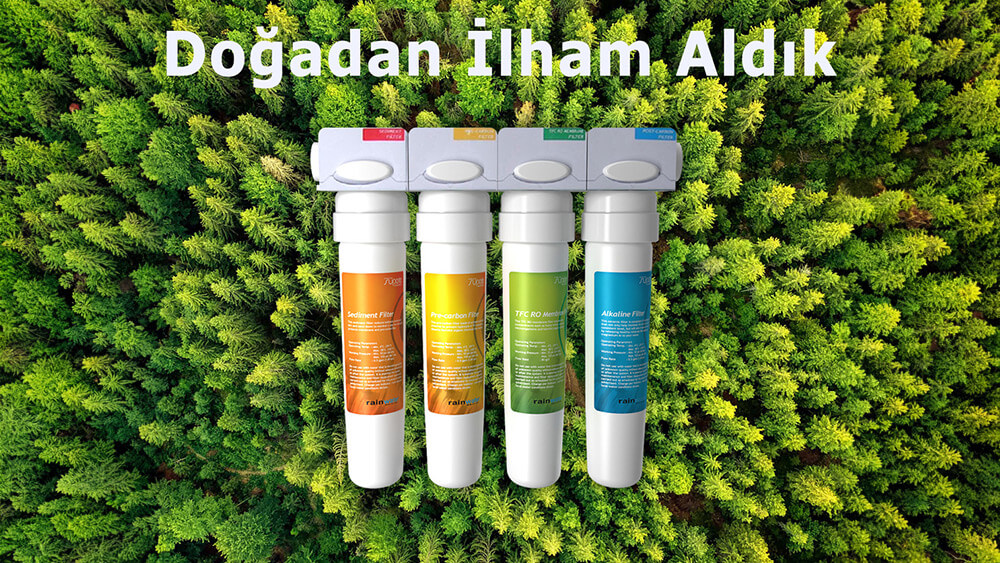
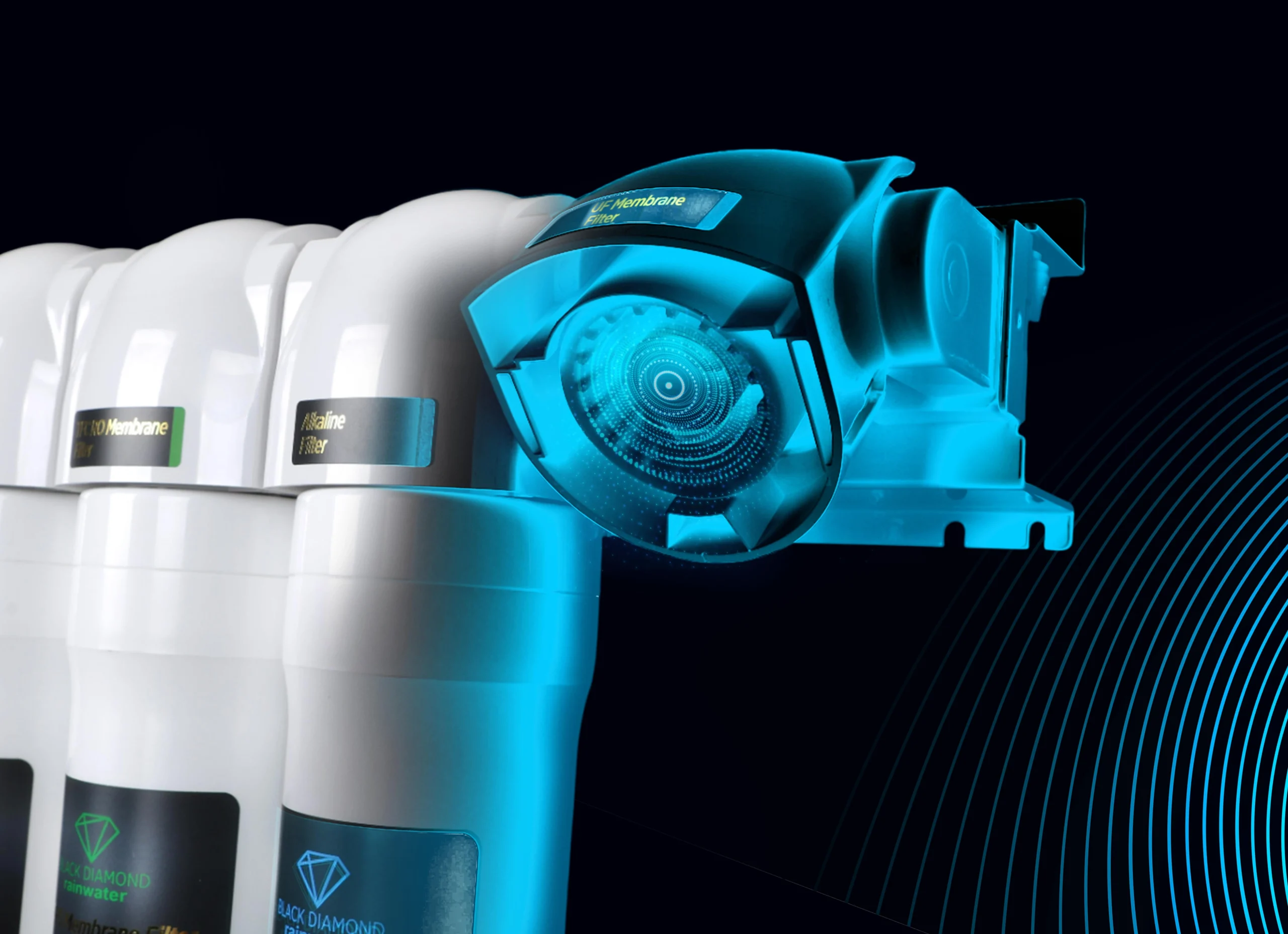
Water purifiers are the most practical and effective way to improve water quality at home. These devices combine different filter technologies. Water purification filter offering the most comprehensive solution between the types of “What is reverse osmosis? “You may be wondering. Reverse osmosis, water through a semi-permeable membrane, dissolved salts, heavy metals, nitrates, viruses and “What is microplastic? ” removes 95-99% of the particles under the title. Activated carbon filters effectively purify chlorine, odour and organic chemicals.
Regular Water Quality Control
Regularly changing the filters of household purifiers in accordance with the manufacturer’s instructions ensures the performance of the device and the quality of the water. On the other hand, it is useful to periodically check the TDS and pH values of the outlet water.
Clean Water in Compliance with Standards with Rainwater
Rainwater water treatment systems offer a practical and reliable solution to the question ” what are the drinking water standards?”. The product integration brings together advanced reverse osmosis, activated carbon and sediment filters, bringing tap water to a level above national and international quality standards. The system aims to provide a balanced mineral structure to the water while effectively removing harmful contaminants. Rainwater supports the quality guarantee it offers with its products with certified filter materials and high performance tests. Thus, users always have easy access to safe and tasty water with healthy drinking water properties.
 Copy Blog Link