TR
TR
 Blog
Blog What is the first thing you do when you wake up in the morning? Do you check your phone or do you go to the kitchen and drink a glass of water? Nowadays, while many of us attach importance to healthy nutrition, regular sports and quality sleep, we can ignore our most basic need, water. However, about 60-70 per cent of our body is made up of water and every cell and organ needs water to function properly.
Drinking water not only quenches our thirst; it also plays a critical role in almost every aspect of life, from our metabolism to our skin, brain function and joint health. So how much water should we drink a day? Is it really beneficial to drink water on an empty stomach in the morning? Can drinking too much water be harmful? In this article, we will discuss everything you need to know about water consumption in the light of scientific data and with recommendations that can be adapted to daily life.
Why is drinking water so important?
The human body is a marvellous system in which complex biochemical reactions work without interruption. Many factors are necessary for the smooth functioning of this system; however, water is the basis of all of them. Water is not just a drink, it is life itself. Every cell, tissue and organ in our body survives with the presence of water.
Our brain consists of about 75 per cent water, our blood 90 per cent, our muscles 75 per cent and even our bones 22 per cent. These figures clearly show us how vital water is. Every day our bodies lose water in various ways: through sweating, urine, faeces and even during breathing. The average adult loses about 2-2.5 litres of water per day under normal conditions. This amount increases even more in hot weather, during sports or in case of illness.
Dehydration, i.e. a condition in which the body does not get enough water, can manifest itself with mild symptoms at first: dry mouth, headache, difficulty concentrating, fatigue. However, when it becomes chronic, it can lead to serious health problems. Kidney stone formation, urinary tract infections, constipation, low blood pressure and even heart problems are directly related to insufficient water consumption. Therefore, drinking regular and sufficient amount of water every day is one of the cornerstones of a healthy life.
The Role and Functions of Water in the Human Body
Water is not a passive filler in our body; on the contrary, it undertakes active and vital tasks. It ensures the balance of intracellular and extracellular fluids, mediates the transport of nutrients to the cells and makes it possible to remove metabolic wastes from the body. Oxygen, vitamins, minerals and other nutrients reach the organs thanks to water, which is the main solvent in the bloodstream.
Water also plays a critical role in regulating body temperature. Evaporating through sweat in hot weather or during physical activity, water cools the body and prevents overheating. It acts as a natural lubricant for our joints; the main component of joint fluid is water. Insufficient water consumption can increase joint pain and negatively affect mobility.
Our brain is also greatly affected by water. Even mild dehydration has a negative impact on cognitive functions. Concentration disorders, memory problems, mood changes and a decrease in decision-making ability can occur. Therefore, the simplest way to protect your mental performance is to drink water regularly throughout the day.
How Much Water Should I Drink a Day?
The question of how many litres of water we should drink a day is one of the most frequently wondered topics. Although the need for water varies from person to person, it is generally recommended that a healthy adult drink 2-2.5 litres (approximately 8-10 glasses) of water a day.
Factors such as age, gender, body weight, physical activity level, climatic conditions and health status affect the need for water. While water loss increases in hot weather in summer, it is necessary to be careful in winter.
A practical tip: Your urine colour gives you information about your water consumption. Light yellow urine indicates adequate hydration, dark yellow or amber urine indicates that you need to increase your water consumption.
15 Scientific Benefits of Drinking Water to the Body
1. Regulates the Digestive System and Prevents Constipation
Water helps the breakdown of food and absorption of nutrients. It maintains acid balance in the stomach, keeps the stool soft in the intestines and regulates bowel movements. Water, especially consumed with fibre foods, is extremely effective in preventing constipation.
2. Protects Kidney and Liver Health
Kidneys filter toxins in the body and excrete them with urine. Adequate water consumption enables the kidneys to fulfil this task comfortably and prevents the formation of kidney stones. The liver also needs water in the detoxification process; sufficient water helps the liver to neutralise harmful substances.
3. Supports Cardiovascular Health
Water maintains blood fluidity and regulates blood pressure. Dehydration can cause the blood to thicken and make the heart work harder. Regular water consumption can help reduce the risk of heart attack and stroke.
4. Increases Brain Functions and Concentration
Most brain tissue is made up of water. Even mild dehydration can lead to distraction, memory problems and mood changes. Drinking enough water maintains mental clarity and improves cognitive performance.
5. Maintains Skin Health and Elasticity
Water supports skin moisture from the inside. Dry skin accelerates the formation of wrinkles and gives an unhealthy appearance. Drinking plenty of water contributes to keeping the skin smooth, shiny and supple. Water can also help reduce acne and skin rashes.
6. Protects Joint and Muscle Health, Prevents Cramps
The main component of joint fluid is water. Adequate water consumption provides lubrication of the joints and increases mobility. It also prevents muscle cramps during sports, reduces muscle fatigue and accelerates recovery.
7. Strengthens the Immune System
Water helps the lymphatic system to function properly. The lymphatic system cleans harmful substances in the body and ensures the circulation of immune cells. Regular water consumption can increase resistance to infections.
8. Helps Weight Control
Water is a calorie-free drink and gives a feeling of satiety. Drinking a glass of water before meals facilitates portion control and prevents overeating. In addition, water accelerates metabolism and supports fat burning.
9. Accelerates Detoxification and Toxin Excretion
Waste substances in the body are excreted with urine and sweat thanks to water. Adequate water consumption ensures that this process takes place effectively and contributes to cleansing the body.
10. Increases Energy Level and Fights Fatigue
Dehydration is one of the main causes of fatigue and weakness. Water supports energy production by facilitating the transport of oxygen and nutrients to cells. When you feel tired, drinking a glass of water can have a revitalising effect in a short time.
11. Protects Oral Health and Prevents Bad Odour
Adequate water consumption increases saliva production. Saliva maintains the balance of bacteria in the mouth and prevents tooth decay. Dry mouth is a common cause of bad breath, so drinking water is also important for oral health.
12. Relieves Dry Eye
Water maintains the balance of intraocular fluids. Dry eyes, especially in those who work at the computer for a long time, may be related to insufficient water consumption.
13. Improves Sleep Quality
Dehydration can negatively affect the quality of sleep during the night. Adequate water consumption helps muscles to relax and a more comfortable sleep. However, drinking too much water just before going to sleep can lead to frequent trips to the toilet at night, so it is important to spread water consumption throughout the day.
14. Reduces Reflux and Gastritis Symptoms
Water dilutes stomach acid and protects the stomach wall. For people with conditions such as reflux and gastritis, drinking plenty of water can relieve symptoms.
15. Reduces Stress and Anxiety
Dehydration can increase the level of cortisol (stress hormone). Adequate water consumption helps to reduce stress levels and stabilise mood.
Water Consumption in Special Cases
Importance of Drinking Water During Pregnancy
During pregnancy, the need for water increases significantly. The amniotic fluid required for the development of the baby is largely composed of water. Expectant mothers should drink at least 2.5-3 litres of water a day for both their own health and the healthy development of their babies. Problems such as constipation, oedema and urinary tract infections, which are common during pregnancy, can be largely prevented by adequate water consumption.
Water Requirement During Breastfeeding
Breastfeeding mothers need extra fluids for milk production. It may be useful to increase daily water consumption up to 3 litres. Since about 90 per cent of breast milk consists of water, it is also critical for the baby’s nutrition that the mother drinks enough water.
Water Consumption Strategies for Athletes
A significant amount of water is lost through sweating during physical activity. It is recommended that athletes drink about 500 ml of water 2 hours before exercise, 200-300 ml every 15-20 minutes during exercise and 1.5 times the weight lost after exercise. This is important for maintaining performance and preventing muscle cramps.
Water Consumption in Winter
Although the feeling of thirst decreases in cold weather, the body’s need for water continues. The importance of water consumption in winter is often overlooked; however, the risk of dehydration increases due to dry air and heating in indoor environments. It is important to maintain your regular water drinking habits even in winter.
Correct Water Drinking Methods and Timing
Benefits of Drinking Water on an Empty Stomach in the Morning
During the night, the body loses water as metabolic processes continue. Drinking a glass or two of water as soon as you wake up in the morning awakens the metabolism, activates the digestive system and helps flush out toxins. This simple habit can boost your energy levels throughout the day.
Water Consumption Before and After Meal
Drinking a glass of water 20-30 minutes before meals helps control appetite and prevents overeating. However, drinking too much water during meals can dilute stomach acid and slow digestion. It is healthier to wait for a while instead of drinking large amounts of water immediately after a meal.
Hydration before, during and after exercise
Drinking enough water before exercise improves performance. You can maintain fluid balance by drinking water at regular intervals during exercise. After exercise, drink plenty of water to compensate for lost water.
Should I Drink Water Sitting or Standing?
Drinking water while sitting allows the water to reach the stomach more gently and facilitates digestion. Standing water can create a sudden load on the digestive system. If possible, it is ideal to sit and drink water slowly.
How to Gain the Habit of Drinking Water?
Most of us can forget to drink water. Here are practical tips:
- Set reminders to drink water on your phone or smartwatch.
- Always carry a water bottle with you.
- Keep a jug of water in front of you throughout the day.
- Enjoy drinking flavoured water (lemon, mint, cucumber slices).
- Add drinking a glass of water to your routine every morning.
- Provide easy access to fresh and clean water by using a carboy water system.
Symptoms and Risks of Dehydration
Symptoms of mild dehydration: dry mouth, dark urine, headache, fatigue, difficulty concentrating.
Symptoms of severe dehydration: dizziness, rapid heartbeat, low blood pressure, confusion, fever.
Chronic dehydration can lead to serious health problems such as kidney stones, urinary tract infection, constipation and even heart problems.
Is There Any Harm of Drinking Too Much Water?
Yes, too much of everything is harmful. Excessive water consumption can lead to a dangerous condition called hyponatremia. Hyponatraemia occurs when the level of sodium in the blood is excessively diluted. Symptoms can include headache, nausea, confusion, seizures and even coma.
This usually occurs when too much water is drunk in a short time. Under normal conditions, daily consumption of 3-4 litres of water is safe, but excessive consumption can be risky. People with kidney or heart disease should consult their doctor about water consumption.
Water Quality and Healthy Water Consumption
The quality of drinking water is just as important as drinking water. Tap water can sometimes contain chlorine, heavy metals or other contaminants. It is therefore necessary to take special precautions for clean water consumption at home and at work.
Thanks to modern technologies, you can effectively remove harmful substances from your water and drink clean, healthy water. The use of a quality water purification filter is an important investment to protect your family’s health.
Importance of Water Treatment Systems
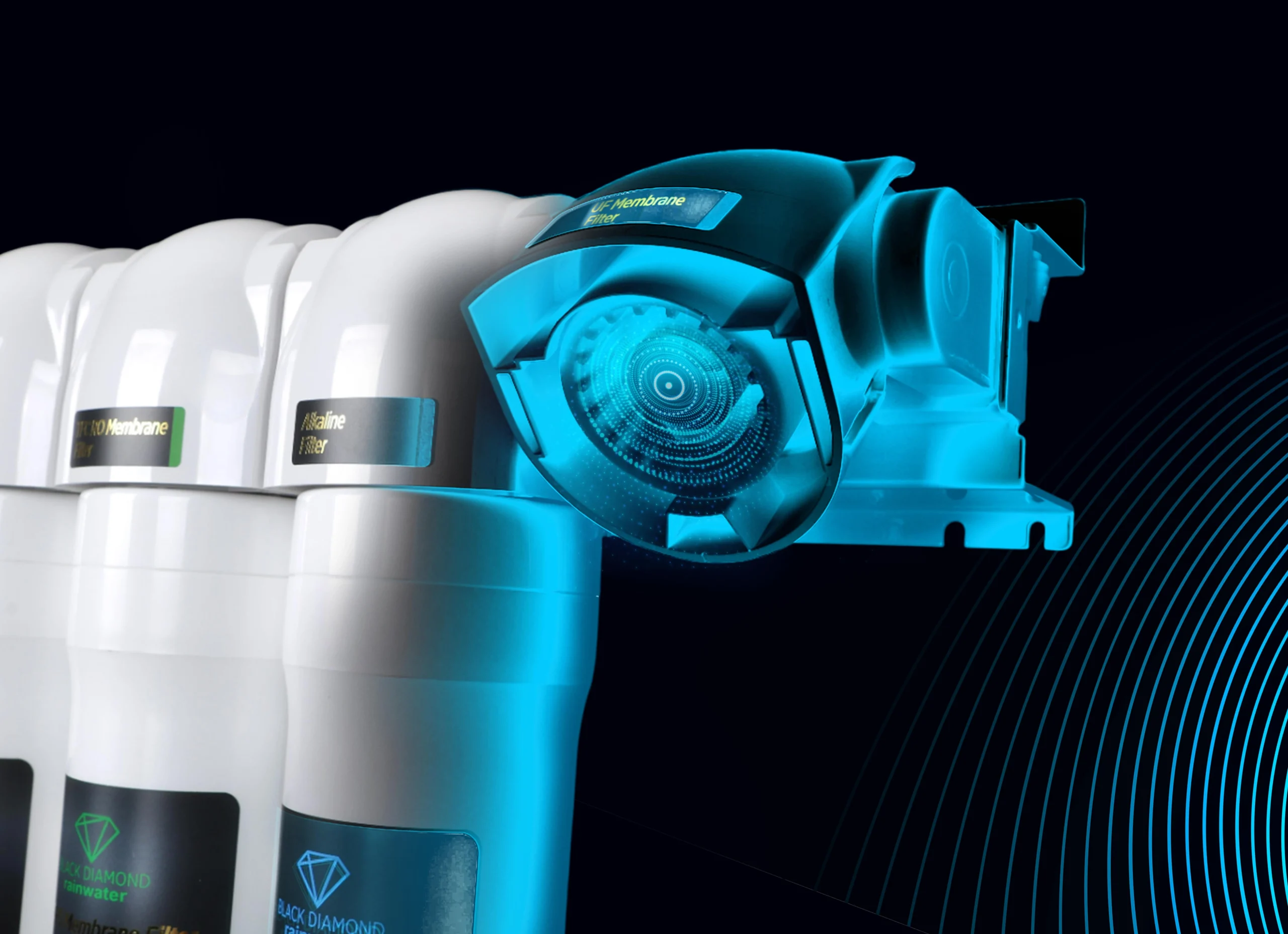
Today, water treatment devices are equipped with various technologies. These systems provide filtering of chlorine, heavy metals, bacteria and other harmful substances in water. Especially for households using city mains water purification systems are indispensable.
Hydrogenated Water and Antioxidant Properties
Hydrogen water purifier technology, which has become popular in recent years, can offer additional health benefits by increasing the antioxidant properties of water. Hydrogenated water can help neutralise free radicals and exert an anti-ageing effect at the cellular level.
Alkaline Water and pH Balance
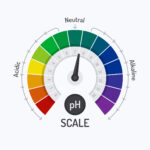
How to make alkaline water? the question is often wondered. Alkaline water is a type of water with a pH value between 8-9 and is thought to support the body’s acid-base balance. Our body works best in a slightly alkaline environment and alkaline water can support this balance.
pH Value and Health Relationship
What is pH value? To answer the question, pH is a scale that measures the degree to which a substance is acidic or basic (alkaline). The human body works best at a slightly alkaline pH level (7.35-7.45). The pH value of the water you consume can affect your overall health.
In addition, parameters such as TDS (total dissolved solids) and ORP (oxygen reduction potential) determine the quality of water. Rainwater water treatment systems aim to provide you with the best quality water by optimising these values.
The url and content above will be changed. We can revise the url as follows. It will be revised as“https://rainwater.com.tr/microplastik-nedir-zararlari-nelerdir/”and the content inside will be revised with the content given below.
If the old url is : https://rainwater.com.tr/microplastiklerin-zararlari/ will be redirected to“https://rainwater.com.tr/microplastik-nedir-zararlari-nelerdir/”with 301.
The content of the new page to be created is as follows:
What is Microplastic What are the Health Hazards and Prevention Ways?
The microplastic problem, which has been at the centre of environmental pollution and human health discussions in recent years, has reached dimensions that can no longer be ignored. Perhaps you take hundreds or even thousands of microplastic particles into your body every day without realising it. So what are microplastics, where do they come from and how do they affect our health? In this comprehensive guide, you will find everything you need to know, from the effects of microplastics on the human body to ways of protection.
What is Microplastic and How is it Formed?
Microplastic is the general name given to plastic particles smaller than 5 millimetres. These plastic particles, which are often difficult to see with the eye, are caused by the countless products we use in our environment. Plastic bottles, packaging, cosmetics, synthetic clothing and many other daily use items break down over time and become microplastics.
Microplastics mainly consist of polymer types such as polyethylene (PE), polypropylene (PP), polyethylene terephthalate (PET) and polystyrene (PS). These substances can remain intact in nature for hundreds or even thousands of years. This causes microplastics to continuously accumulate in the environment and enter the food chain.
The formation process of microplastics is quite complex. Large plastic wastes gradually shrink due to physical effects such as sunlight, wind, wave movements and mechanical abrasion. In the meantime, chemical additives in plastic products also spread to the environment. At this point, microplastic pollution begins.
Types of Microplastics: Primary and Secondary Distinction
Microplastics are divided into two according to their source: primary microplastics and secondary microplastics.
What are Primary Microplastics?
Primary microplastics are plastic particles produced directly in small size. They are frequently used especially in cosmetics and personal care products. For example:
- Peeling and scrub products: The small particles in facial cleansers and body scrubs are usually made of microplastic.
- Toothpastes: Some toothpaste formulations use microplastics for whitening and cleaning purposes.
- Synthetic textiles: Clothing made from fabrics such as polyester, nylon and acrylic can release millions of microplastic fibres with each wash.
After going to the sink, shower or washing machine, these products enter the wastewater system and from there into the seas, lakes and finally into our drinking water.
How are Secondary Microplastics Formed?
Secondary microplastics are formed by the breakdown of large plastic products over time. Examples of these are:
- Plastic bottles and packaging: Plastic bottles, bags and packaging that are thrown into nature break down with sunlight and weather conditions and turn into microplastics.
- Vehicle tyres: Tyres rubbing on the roads cause a continuous release of microplastic particles.
- Plastic items: Broken toys, furniture and other plastic products decompose into microplastics over time.
Secondary microplastics continue to break down for years depending on environmental conditions and the chemicals they contain in this process are released into the environment.
Nanoplastics: Invisible but More Dangerous
Nanoplastics, which are smaller than microplastics, are plastic particles smaller than 100 nanometres. Nanoplastics are so small that they can pass through cell membranes and enter directly into cells. This makes them more dangerous than microplastics. Nanoplastics can reach the bloodstream, brain and even the placenta, affecting even developing babies.
Where are microplastics found?
Microplastics now appear in every aspect of our lives. Microplastics can be found everywhere, from the food we consume to the water we drink and even the air we breathe.
Microplastics in Drinking Water
Drinking water is one of the most important sources of microplastic exposure. Research shows that microplastic particles are found in both bottled water and tap water. In particular, water sold in plastic bottles has been found to be contaminated at a higher rate due to microplastics released from the bottle itself. Tap water may contain microplastics due to inadequate treatment systems.
It is important to understand the difference between bottled water and tap water. Plastic bottles, especially when kept in hot environments, can release more microplastics and harmful chemicals, as we learnt while searching for the answer to the question of what is BPA. Therefore, using glass or stainless steel bottles is a healthy alternative.
Microplastics in Foods: Seafood, Salt and Honey
Marine organisms are among the organisms most exposed to microplastics. Especially mussels, oysters, shrimps and fish consume plankton containing microplastics and accumulate these particles in their bodies. When we eat these seafood, microplastics pass into our body through the food chain.
Sea salt is another product containing microplastics. Salt from the sea may be contaminated by microplastic pollution. Similarly, honey can be affected by microplastics in the pollen that bees collect from flowers.
Microplastic Danger in Tea Bags
Recent scientific studies have revealed that tea bags can be a source of microplastics. Especially teas prepared in plastic-containing bags (nylon, PET-based) can release billions of microplastic particles when in contact with hot water. One cup of tea bags can contain 11.6 billion microplastic and 3.1 billion nanoplastic particles.
Traditional leaf tea consumption is therefore safe for health.
Microplastics in Cosmetics and Personal Care Products
Many cosmetic and personal care products we use daily contain microplastics: facial cleansers, body scrubs, toothpastes, make-up and sunscreens. Even if the microplastics in these products are not absorbed through your skin, they contaminate water sources after going down the sink and reach you again indirectly.
Synthetic Textiles and Washing Waters
Clothes made of synthetic fabrics such as polyester, nylon and acrylic release thousands of microplastic fibres with each wash. Since this waste water from washing machines cannot be completely cleaned in treatment plants, it enters rivers and seas. According to one study, a polyester T-shirt can release more than 700,000 microplastic fibres in a single wash.
Microplastics in Air and Indoors
Microplastics are found not only in water and food but also in air. Especially in urban areas, the concentration of microplastics is quite high due to air pollution. Microplastics released from furniture such as carpets, curtains, armchairs and synthetic fabrics indoors can mix with particles in dust and enter our body through inhalation.
Harm of Microplastics to Human Health
Although the effects of microplastics on human health are not yet fully understood, research points to serious risks.
Microplastic Findings in Human Blood and Placenta
In 2022, a groundbreaking study showed that microplastic particles were detected in human blood for the first time. Microplastics were found in the blood of 80 per cent of the participants in the study. Even more worrying, a study in 2024 found microplastics in the human placenta. This shows that microplastics can even reach babies in the womb.
Hormonal Balance and Endocrine System Effects
Chemicals such as BPA and phthalates in microplastics are powerful endocrine disruptors. These substances can disrupt the hormone balance in the body, affecting reproductive hormones, thyroid function and insulin resistance.
Effects on Digestion and Immune System
When microplastics reach the digestive tract, they negatively affect the intestinal microbiota. It can lead to chronic inflammation by increasing intestinal permeability. It can also weaken the immune system and increase allergic reactions and the risk of autoimmune diseases.
Respiratory and Other Health Risks
Microplastic particles in the air reach the lungs through breathing. Microplastics accumulated in lung tissue can cause asthma, COPD and other respiratory problems. They have also been associated with serious health problems such as reproductive health, fertility and DNA damage at the cellular level.
How Much Microplastic Do We Consume Daily?
According to research, the average person consumes about 5 grams of microplastics per week. This amount is roughly equal to the size of a credit card! Calculated on an annual basis, this means about 250 grams of plastic.
Microplastic exposure varies from person to person and depends on the level of pollution in the area where you live, the foods you consume (especially seafood), your drinking water source and the products you use. Individuals who consume bottled water, eat seafood frequently and wear synthetic clothing are exposed to more microplastics. Therefore, you can at least reduce the amount of microplastics in your drinking water by using a quality water purification filter.
Environmental Effects of Microplastics
Microplastics affect not only human health but the entire ecosystem.
Marine Ecosystem and Transition to Food Chain
Oceans are the biggest victim of microplastic pollution. Plankton swallow microplastics as food. These plankton are eaten by small fish, which in turn are eaten by big fish. Eventually, these microplastics reach our table. In this process, bioaccumulation takes place and the concentration of microplastics increases at every stage. According to Greenpeace reports, over 60% microplastics have been detected in some fish species in the Mediterranean.
Soil Pollution and Agricultural Products
Microplastics accumulate not only in water but also in soil. Especially biosolid fertilisers (obtained from waste water treatment plants) contain microplastics. When these fertilisers are used in agricultural lands, microplastics are mixed into the soil, where they are absorbed by plants, leach into groundwater and disrupt the biological structure of the soil.
Ways to Prevent Microplastics
Although it is not possible to completely eliminate microplastic exposure, you can significantly reduce it, especially by taking precautions with your drinking water. Avoiding single-use plastics, preferring glass and stainless steel products, choosing natural fibre clothing and using microplastic-free cosmetics are essential steps.
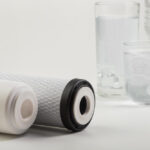
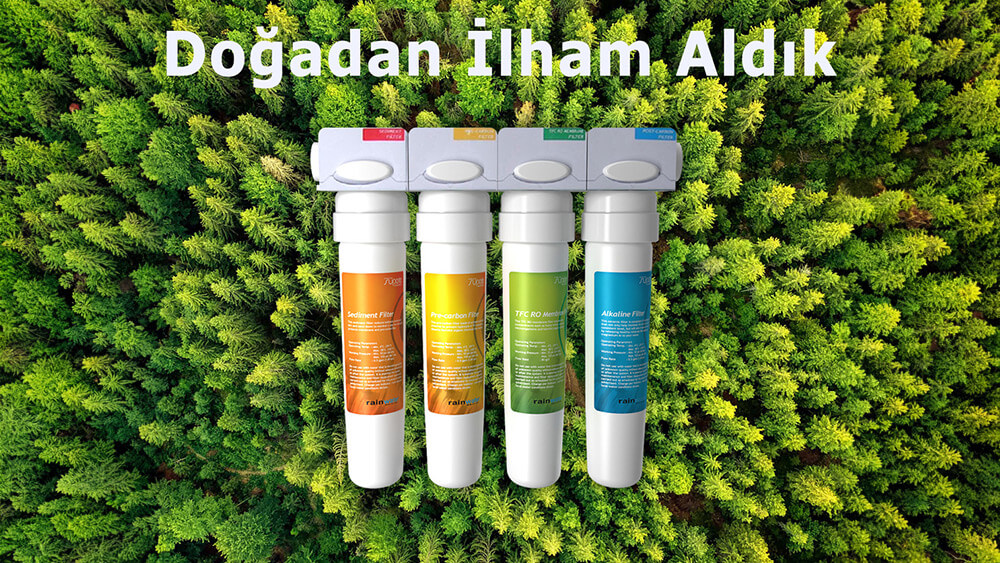
However, the most effective protection method is to make your drinking water safe. By using a quality water treatment system, you can minimise microplastic exposure from your daily water consumption. In particular, multi-layer filtration systems, such as a pre-sediment water treatment filter, effectively trap large particles and microplastics in your water, allowing for clean water consumption.
How Can We Avoid Microplastics in Drinking Water?
The most effective way to reduce microplastics in your drinking water is to use a quality water purifier. Modern water purification systems can effectively retain microplastics with multi-layer filtration technologies.
The following technologies are particularly effective in microplastic filtration:
- Activated carbon filters: Retains some microplastics and chemicals
- Pre-sediment filtration: Retains large particles in the first stage and the system is protected by a pre-sediment water purification filter
- Reverse osmosis systems: The more we learn about reverse osmosis, the more we realise that it filters at the 0.001 micron level and retains most of the microplastics.
- Nano filtration: Captures even nanoplastics
You can maintain the effectiveness of the system by regularly changing the water purification filter. It is also important to use a quality water purification tap for your clean water consumption.
Microplastic Free Clean Water Consumption with Rainwater
Rainwater provides clean and safe drinking water with multi-stage filtration technology developed against microplastic pollution. Rainwater water treatment systems:
- Effectively filters microplastics
- Removes BPA and other endocrine disruptors
- Maintains the natural mineral balance of water
- Provides an environmentally friendly and sustainable solution
- Contributes to the environment by eliminating the use of plastic bottles
With Rainwater, you both protect your health and take an active stance against plastic pollution. Water purification equipment You can get microplastic-free clean water by choosing the model that suits your needs from our category.
 Copy Blog Link