TR
TR
 Blog
Blog Dehydration is an important health problem that can often develop unnoticed in daily life but can affect all systems of the body. Inadequate daily water consumption, environmental factors and individual habits can lead to impaired fluid balance.
Considering that most of your body is made up of water, dehydration affects many areas from energy levels to mental performance. Therefore, knowing what dehydration is, how it occurs and how it can be prevented is a basic requirement for a healthy life.
What is Dehydration?
Dehydration is a condition in which cells, tissues and organs have reduced access to water as a result of insufficient supply of fluids required for your body to maintain its daily activities. “What is dehydration?” It can be said that a large part of the human body is composed of water and this water plays an active role in many critical processes, from ensuring intercellular communication to transporting nutrients to cells. When there is not enough fluid, blood circulation may slow down, body temperature cannot be stabilised and it may become difficult to remove toxins through the kidneys. This can reduce the efficiency of metabolic activities and cause a significant decrease in overall energy level.
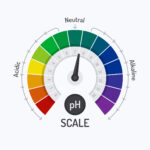
Disruption of fluid balance is not only limited to physical symptoms but also leads to significant changes at the cellular level. The question “What is pH?” is particularly important in understanding the internal balance of the body, because without sufficient water intake, the acid-base balance cannot be maintained and the ideal working environment of the cells is disrupted. Loss of this balance can reduce the effectiveness of enzymes, make the transmission of muscle and nerve cells difficult and prevent the harmonious functioning of organs. Therefore, dehydration should not be seen as a simple feeling of thirst, but should be considered as a serious balance problem affecting the holistic health of the body.
How Does Dehydration Occur?
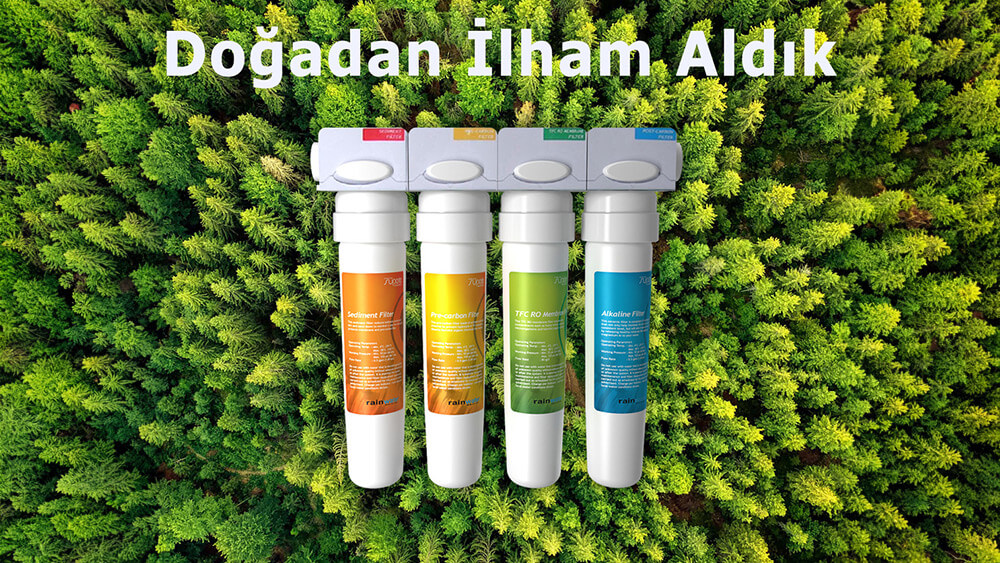
Dehydration usually occurs as a result of insufficient water consumption, excessive sweating, fever, diarrhoea or vomiting. During hot weather conditions and intense physical activities, your body can lose a significant amount of fluid without realising it, which is an important reason for the question “How does dehydration occur?“. The type of beverages consumed during the day also affects this process. For example, a quality water purification filter can help you gain the habit of drinking water regularly by improving the taste of the water used. Excessive consumption of drinks containing caffeine and alcohol can accelerate dehydration by increasing fluid loss through urine.
What are the Symptoms of Dehydration?
The symptoms of dehydration can occur in different severities depending on the amount of fluid your body has lost and how long this loss has been going on. In the early period, this condition, which usually manifests itself with an increased feeling of thirst, can be noticed by signals such as dry mouth and lips, a feeling of tightness in the skin and darker urine colour than normal. The slight weakness and low energy felt at this stage is an important indication that the body is drawing attention to the need for water. Early symptoms can often be overlooked in the daily busyness, but ignoring these signals paves the way for the progression of dehydration.
As fluid loss increases, symptoms become more pronounced and make daily life more difficult. Dizziness, loss of balance and difficulty in concentration may adversely affect mental performance and cause low efficiency in work and social life. Muscle cramps and a feeling of weakness in the muscles indicate that the electrolyte balance is disturbed, while symptoms such as increased heart rate and low blood pressure may also be observed. Therefore, recognising early and advanced symptoms plays a critical role in controlling dehydration.
Who are the Dehydration Risk Groups?
Some individuals are at higher risk of dehydration than others. Infants and children may lose more fluid compared to their body weight, while the decrease in thirst in elderly individuals makes it difficult to recognise fluid deficiency. People with chronic diseases and regular medication should also pay more attention to fluid balance. In addition, those who work at a busy pace and athletes may face the risk of dehydration when they do not replace the fluid they lose through sweating.
What are the Effects of Dehydration on the Body?
Dehydration can lead to various negative consequences, both physically and mentally, as the water balance necessary for the body to maintain its basic functioning is disturbed. Without adequate fluid intake, the kidneys have difficulty filtering waste materials from the blood, which can cause urine to become more concentrated and increase the risk of kidney stones. The circulatory system is also affected by fluid deficiency. Reduced blood volume can cause the heart to work harder and this can lead to irregularities in blood pressure.
In terms of the digestive system, lack of sufficient water can lead to constipation, stomach disorders and decreased absorption of nutrients. The effects of dehydration are not limited to physical symptoms. It can also cause significant changes in mental performance. The disruption of the balance in terms of the properties of the minerals needed by the cells can cause muscle weakness and cramps, while reducing the general energy level and creating a constant feeling of fatigue.
Since brain tissue is largely composed of water, dehydration may manifest itself as difficulty in focusing, distraction and memory problems. Prolonged dehydration may increase stress, causing mood fluctuations and daily life activities to become more challenging. For this reason, adequate fluid intake should be considered as a basic requirement for both the protection of physical health and the maintenance of mental performance.
How to Prevent Dehydration? Ways of Prevention
The main way to prevent dehydration is to make it a habit to consume regular and sufficient amounts of water throughout the day. Drinking water without waiting for thirst is especially important in hot weather and during physical activity. A balanced diet supported by vegetables and fruits also contributes to fluid intake. In recent years, the topic of “what are the benefits of hydrogenated water?” has also come to the agenda and it is thought that such water can provide support at the cellular level thanks to its antioxidant effects. Making water a priority in your daily routines reduces the risk of dehydration.
How to Treat Dehydration?
The treatment of dehydration is carefully planned according to the amount of fluid lost and the severity of the accompanying symptoms. In cases of mild fluid loss, it is often sufficient to increase water consumption throughout the day and to prefer drinks that support electrolyte balance. At this stage, the aim is to ensure that the cells regain access to sufficient fluid and to help normalise metabolic processes.
In moderate dehydration, symptoms such as weakness, dizziness and a significant decrease in the amount of urine may occur, so fluid intake should be more controlled and regular. In more severe cases, medical intervention may be required and intravenous fluid supplementation may be administered, as clouding of consciousness, severe low blood pressure or changes in heart rhythm may occur.
In the treatment process, not only the amount of fluid but also the content of the fluid consumed is of great importance. Water with a balanced mineral content supports faster compensation of electrolyte loss and facilitates absorption without straining the digestive system. Thus, the risk of dehydration is greatly reduced.
After treatment, fluid consumption should not be seen as a temporary measure, but should be made a natural part of daily life. Drinking water at regular intervals throughout the day, adjusting the amount of fluid according to environmental conditions and physical activity level stands out as one of the most effective approaches to prevent recurrence of dehydration.
 Copy Blog Link