TR
TR
 Blog
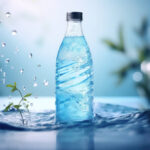
Blog Hydrogen water, which is attracting more and more attention among functional beverages, attracts scientific and technological attention thanks to its structures enriched with molecular hydrogen unlike classical drinking water. At this point, the question “What is hydrogen water?“, which appears in the minds of users who hear the subject for the first time, can be answered as a special drinking water obtained by dissolving extra hydrogen gas into it without disturbing the natural structure of water.
What is Hydrogen Water?
Hydrogenated water is a special type of drinking water that is indistinguishable from standard drinking water in terms of appearance, taste and odour, but gains a different functionality thanks to the free hydrogen molecules dissolved in its content. The main purpose of this type of water is not to change the chemical structure or mineral balance of the water, but to give the water a functional characteristic by adding molecular hydrogen.
Since hydrogen molecules are extremely small and neutral, they dissolve without affecting the natural properties of water and do not cause any sensory differences during consumption. In this respect, hydrogen water is considered as an alternative that goes beyond being a classic beverage to quench thirst and is associated with processes evaluated at the cellular level. The fact that it can be easily consumed in daily life and does not change the usual water experience is among the main factors that make hydrogen water stand out among functional beverages.
How is Hydrogen Water Produced?
In the production phase, electrolysis systems with advanced technology are generally used and hydrogen and oxygen are separated by passing a controlled electric current through the water. This process arouses the curiosity of users with the question “how to make hydrogen water?” and is based on the principle of dissolving the hydrogen obtained back into water.
What are the Properties of Hydrogenated Water?
One of the most striking features of hydrogenated water is that the ORP value, which expresses the oxidation-reduction potential, is often measured at negative levels, indicating that the water exhibits a reducing rather than oxidising character. Negative ORP indicates that water may have a more chemically stable structure and offers a different interaction potential compared to conventional drinking water. However, hydrogenated water is indistinguishable from standard drinking water in terms of taste, odour and colour. This makes it possible to use it in daily consumption without changing habits.
While the volatile structure of molecular hydrogen dissolved in its content makes it important to consume fresh water, this feature also requires careful planning of production and storage conditions. Although the mineral balance may vary depending on the source water, hydrogenated water basically stands out by maintaining its pure water structure and gaining a functional quality and differs from other special water types in this respect.
Comparison of Hydrogen Water and Other Types of Water
Comparison of hydrogen water with other types of water is important for consumers to make the right choice according to their expectations because each type of water offers a different production method, mineral structure and intended use.
Hydrogen Water vs Tap Water
Tap water usually has a mineral content that varies depending on the regional infrastructure, and at this point, the question “what is hard water?” is often used to explain that water with high calcium and magnesium content makes a difference in terms of both taste and use.
Hydrogen Water vs Bottled Water
While bottled waters are mostly obtained from natural sources and presented in a mineral balance, the main difference of hydrogenated water is that it has a functional quality thanks to the molecular hydrogen added later.
Hydrogenated Water vs Alkaline/Ionised Water
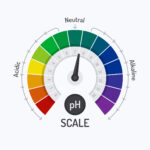
In alkaline and ionised waters, the main focus is on the pH value, which expresses the acidic or basic structure of the water, while hydrogenated waters are differentiated by adding a different chemical property without changing this value.
Hydrogen Water vs Mineral Water
While mineralised waters stand out with the dissolved minerals they naturally contain, the mineral level of hydrogenated waters may vary depending on the source water used, and the TDS value, which expresses the total amount of dissolved matter, is an important reference point in understanding this difference.
Hydrogenated Water vs Purified Water (RO)
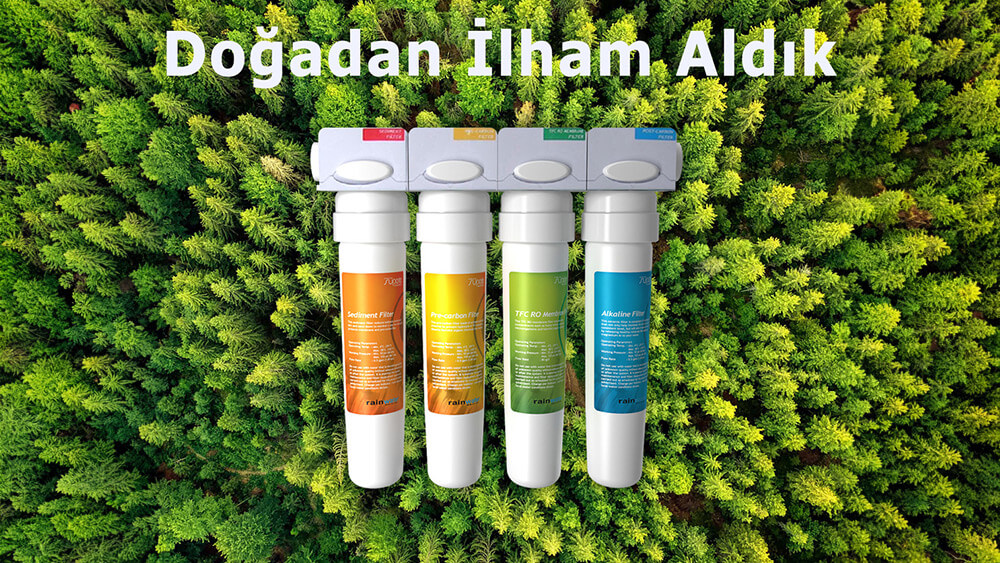
While the purified water obtained by reverse osmosis systems offers a very pure structure, hydrogen water is obtained by enriching this pure structure by adding hydrogen into it, and this process is often carried out through a special hydrogen water purifier.
Potential Benefits of Hydrogenated Water
When considered in the scientific literature, hydrogenated water benefits include the potential to support the processes associated with the oxidative load of the body after intense life pace and physical activity.
How Does Hydrogen Water Work?
The working principle of hydrogen water is based on the fact that the molecular hydrogen it contains can be rapidly distributed in the body thanks to its very small and neutral structure. Thanks to this feature, hydrogen can be transported to the tissues through the blood circulation after absorption from the digestive system and can penetrate into the cell by crossing the cell membranes.
In this process, it is stated that hydrogen molecules show a selective interaction, especially through mechanisms associated with free radicals that occur during metabolic activities. In this context, regular and conscious consumption of hydrogenated water is considered within the framework of the concept of cellular balance and causes water to be associated with a function beyond the classical hydration function.
How to Consume Hydrogen Water?
Since hydrogen gas has a volatile structure, the timing of consumption of hydrogen water is of great importance. Drinking it without waiting after it is produced helps to preserve the amount of hydrogen contained in the water. In daily use, it is common to prefer this water in the morning or after physical activity, but the main purpose is to provide a balanced consumption to support daily fluid needs.
In addition, storing hydrogen water in glass or containers made of suitable material helps to minimise gas loss, while conscious consumption habits aim to make more efficient use of the functional structure of water.
What should be considered when choosing hydrogen water?
When choosing hydrogen water, firstly, the reliability of the water source used and whether it has passed through the treatment process should be carefully evaluated. Because the initial quality of the water directly affects the quality of the final product to be obtained. However, the production technology of the device is also of great importance. The quality of the electrolysis system, the electrode materials used and the dissolution efficiency of hydrogen into water are among the determining factors for long-term performance.
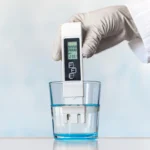
The fact that the hydrogen concentration is measurable and verifiable helps to understand whether the device is actually functional, while the manufacturer’s transparent sharing of ORP, hydrogen concentration and general technical data plays a critical role in terms of consumer confidence. In addition, factors such as ease of use, maintenance requirements and warranty period should be taken into consideration and a sustainable and reliable use should be targeted rather than short-term expectations.
Who is Hydrogen Water Recommended?
Hydrogen water offers a remarkable option for individuals who want to make daily water consumption not only a necessity but also a more conscious and functional habit. People who have an active lifestyle working at an intense pace and who pay attention to the recovery processes after sports can consider this water as a supportive drink.
Apart from this, hydrogen water has become a popular choice among alternative beverages for users who follow technological innovations in nutrition and lifestyle and have developed awareness about the content and quality of water. However, since the needs of each individual are different, it is important that hydrogen water is not a treatment tool, but a complementary element that diversifies daily fluid intake when consumed consciously.
 Copy Blog Link