TR
TR
 Blog
Blog ORP is a basic measure of the extent to which a liquid or chemical medium is open to electron exchange. This value is especially used to understand the biochemical behaviour of water and whether it has oxidising or reducing properties. When assessing the chemical character of drinking water, the question “What is ORP?” is considered together with parameters such as pH and mineral content and interpreted from a holistic point of view, not alone.
What is ORP (Oxidation-Reduction Potential)?
ORP is an electrochemical indicator that numerically expresses the tendency of a medium to give or take electrons. An environment with positive values is more prone to take electrons, while environments with negative values tend to give electrons. This difference causes water to exhibit oxidative or reducing behaviour. In living systems, this property is of great importance because cellular processes proceed largely by chemical reactions based on electron transfer.
How to Measure ORP?
ORP measurement, a technical analysis that directly reflects the chemical activity of water, is carried out with devices with special sensors. During the measurement, the potential difference between the reference electrode and the measuring electrode is evaluated and the result is expressed in millivolts. The value obtained reflects the instantaneous chemical state of the water. Therefore, measurement conditions, temperature and ambient factors can have an effect on the results. Therefore, oxidation-reduction potential measurements should be performed under constant conditions and with accurate calibration.
ORP and Oxidation-Reduction Chemistry
The concept of ORP is based on redox reactions and these reactions are one of the most fundamental processes of chemistry. Oxidation and reduction always occur together and one cannot exist without the other.
What is Oxidation?
Oxidation is a chemical event that occurs when a substance loses electrons. When this process occurs uncontrolled in biological systems, it can lead to the formation of reactive compounds that can damage cellular structures. Oxidative environments are usually associated with positive potential.
What is Reduction?
Reduction is the chemical process of electron gain and is the opposite of oxidation. Reducing environments can stabilise the effect of reactive molecules by providing free electrons. This feature is considered as an important protective mechanism in terms of biochemical balance.
Redox Balance
Living organisms have a healthy redox balance and this balance is necessary for the maintenance of cellular functions. If the balance is disturbed, oxidative stress increases and this may lead to tissue damage in the long term.
What Does ORP Value in Water Mean?
The ORP value of water is shaped by the dissolved gases, minerals and processes applied. This value provides indirect information about how water can interact with biological systems.
High (Positive) ORP Value
Waters with positive potential show oxidising character and this feature is especially preferred in disinfection applications. Although it is effective in inactivating microorganisms, biological compatibility assessment should be made for continuous consumption.
Low (Negative) ORP Value
Waters with negative potential have reducing properties and this is associated with electron donating capacity. Such waters are the subject of researches with their oxidative balance supporting properties.
Neutral ORP Value
ORP values in the neutral range indicate that the water is neither significantly oxidising nor reducing. These waters offer a more chemically balanced structure.
ORP Values of Different Water Types
The source, processing and storage conditions of water play a decisive role on ORP levels. Therefore, significant potential differences can be observed between different water types.
Tap Water ORP Value
Tap water often exhibits an oxidising character due to disinfection processes applied for hygiene purposes. This causes the measured potential to be generally in the positive range.
Bottled Water ORP Value
The potential value of bottled waters varies depending on the natural characteristics of the source and the filling process. More stable levels can be seen in natural spring waters.
Treated Water ORP Value
Treatment processes have a direct impact on the potential value as they change the dissolved substances and gases in the water. The type of filtration technology used is decisive here.
Alkaline/Ionised Water ORP Value
Ionisation treated waters are generally associated with lower potential values and this is explained by a change in the chemical structure of the water.
Hydrogen Water ORP Value
Water enriched with molecular hydrogen is characterised by low potential levels due to its reducing properties, which significantly affects the chemical behaviour of the water. At this point hydrogen water purifierstands out.
What are the Effects of ORP on Health?
Although ORP is not a direct health indicator, it provides a helpful parameter in understanding the chemical processes associated with oxidative balance. Therefore, health effects should be evaluated in an indirect and supportive framework.
Negative ORP and Antioxidant Effect
Reducing potential media may have a stabilising effect on oxidative processes thanks to their electron-providing properties. This is associated with antioxidant mechanisms.
Positive ORP and Disinfection
Media with high oxidising potential are effective in inactivating pathogens and are therefore important for water safety.
ORP and Ageing
While long-term oxidative load is associated with cellular ageing processes, the ORP concept is seen as a helpful tool to assess the chemical dimension of this process.
What are the Factors Affecting ORP Value?
The ORP value is shaped as a result of the chemical and physical properties of water and does not depend on a single parameter. Firstly, the mineral content of water has a direct effect on the potential value due to the presence of ions that can participate in electron exchange. As the ratio of minerals such as calcium, magnesium and sodium increases, the electrochemical balance of water may change and this is reflected in ORP measurements.
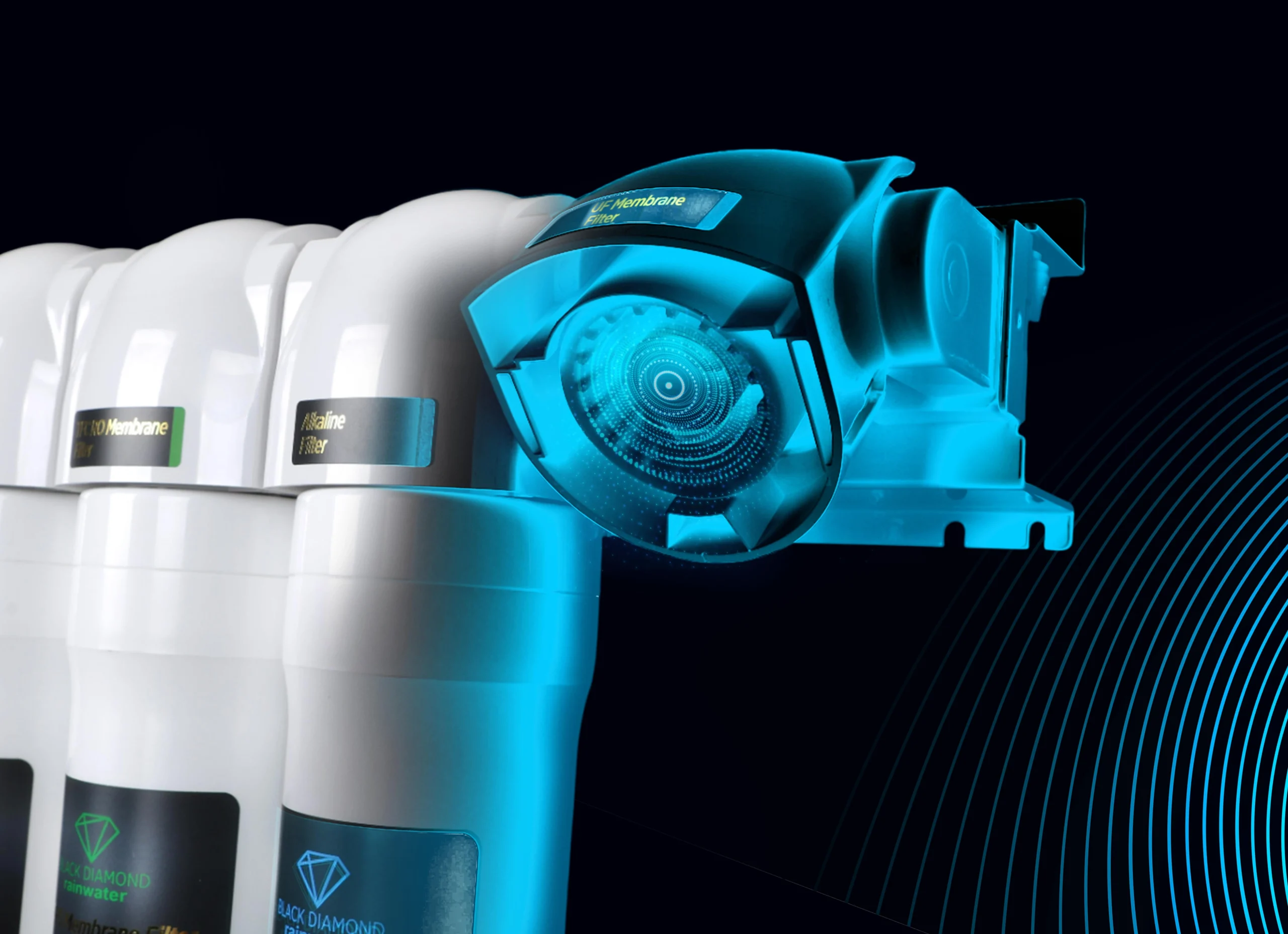
The amount of dissolved oxygen also plays an important role on ORP. Since oxygen is a strong oxidiser, it is expected that the potential value will be more positive as its level in water increases. Temperature is another factor to be considered in ORP measurements since it affects the chemical reaction rates. As the temperature increases, electron transfer may accelerate and the measured values may differ. Another factor affecting the ORP value is the water treatment process. At this point, the question “what is a water treatment filter?” becomes important. Activated carbon, membrane or mineral filters can directly affect the electrochemical balance and ORP level by reducing the oxidising components and dissolved substances in the water.
Acid-base balance, i.e. the pH value of water, is closely related to ORP, but these two concepts are not interchangeable. As pH changes, the ionic structure of water and the direction of redox reactions may also change. However, the total amount of dissolved matter in the water affects the conductivity and chemical activity of the water and contributes to the interpretation of the potential value.
The TDS value, which expresses the total amount of dissolved substances in the water, provides information about the conductivity and ion density of the water and helps to interpret ORP measurements more accurately. Evaluation of all these factors together reveals that ORP is a dynamic indicator reflecting the overall chemical profile of water.
What is the ORP Value of Tap Water?
The ORP level of tap water may vary depending on the source from which the water is supplied, the treatment processes applied and especially the chemicals used for disinfection. Since chlorine or similar oxidising agents are generally used in tap water, it is common for the measured potential value to be in the positive range.
While this oxidising structure provides advantages in terms of microorganism control and hygiene, it also causes the chemical character of the water to have a more reactive profile. Factors such as regional infrastructure pipework and dwell time can also affect the measured value. Therefore, the ORP level of tap water should be evaluated within a certain range rather than a fixed number.
What is the ORP Value of Hydrogenated Water?
The ORP level of hydrogen enriched water is usually measured in the negative range due to the chemical properties of the molecular hydrogen it contains. This reducing potential reflects the electron donating capacity of water and reveals a structure that can interact with oxidative processes. Although the low ORP value is associated with the antioxidant properties of water, this feature should be evaluated together with factors such as the type of use and consumption time. In addition, this potential may decrease over time due to the volatile nature of hydrogen gas. This indicates that the freshness and storage conditions of hydrogenated water play a decisive role on the ORP level.
 Copy Blog Link