TR
TR
 Blog
Blog When you buy a water purifier for your home, your expectation is to have access to clear, odourless and delicious drinking water. You want to experience the comfort of healthy water flowing from your tap, avoiding the cost and environmental impact of bottled water. Research shows that 74.7% of consumers believe that long-term use of plastic bottles carries health risks. With this awareness, it is natural to worry when you start to get a strange taste one day from your preferred device. So, why does the flavour of water deteriorate?
Factors affecting the taste of treated water are usually not due to a single cause, but are the result of a complex interaction of components such as the fill rate of the filters, the pH balance of the water, the mineral density (TDS) and the hygiene of the storage tank. In this guide, we will examine in detail the technical details, diagnostic methods and home remedies that get to the root of the problem, rather than just saying “the water tastes bad”.
Why does the taste of treated water change? Main Causes
Water purifiers pass the mains water through a series of physical and chemical filtration processes. The taste of water is actually a chemical balance of minerals, dissolved gases and pH level in the water with the receptors on our tongue. When this balance is disturbed, your water can become “flavourless” even if it is not “dirty”. Here are the basic mechanisms behind this change:
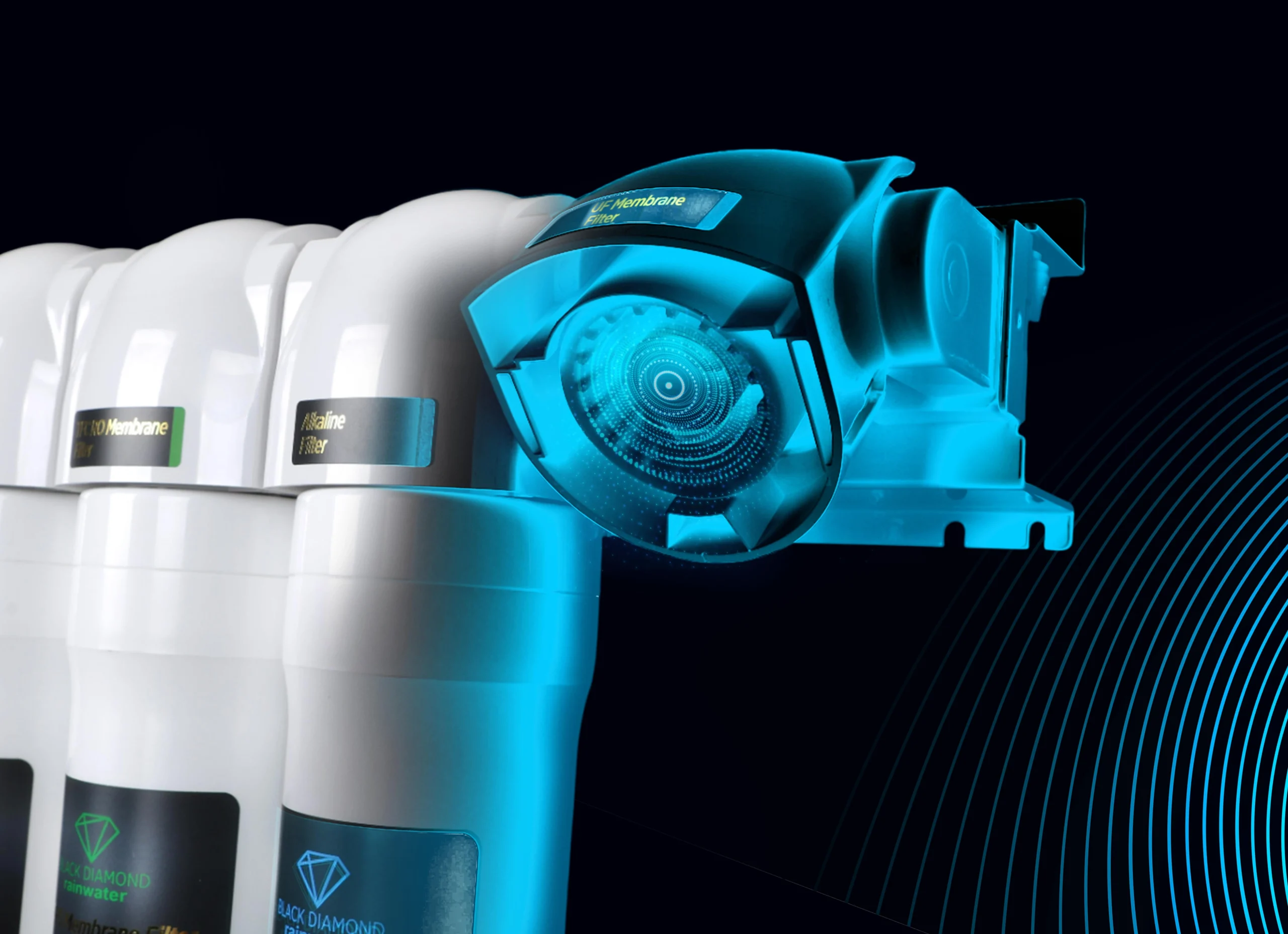
Life and Condition of Filters
The heart of a water purifier is its filters. Carbon filters (activated carbon) in particular are responsible for trapping chlorine, organic compounds and odour-causing gases in the water. In Turkey, 92.8% of the municipal population is served by wastewater and sewerage services, which requires intensive chlorination of mains water to be safe.
When your filters reach saturation (end of life), they can no longer hold incoming chlorine and organics. This is called “breakthrough”. At this stage, the chlorine taste in the mains water starts to mix with the treated water. Furthermore, when pre-carbon filters become clogged, it becomes difficult for water to pass through to the membrane filter, which can reduce the overall quality of treatment and cause a bland taste or a mould-like odour.
TDS (Total Dissolved Solids) Ratios
TDS (Total Dissolved Solids) refers to the total density of minerals, salts and metals dissolved in water. TDS (Total Dissolved Solids) refers to the total density of minerals, salts and metals dissolved in water. The answer to the question of what is TDS and how to measure it is actually one of the most important factors that determine the “body” and flavour profile of water.
- Very Low TDS: When the reverse osmosis (Reverse Osmosis) system works very efficiently and removes all minerals from the water, the water tastes “empty” or “bland”. Some users even describe it as “slightly acidic”.
- Very High TDS: If your membrane filter is torn or malfunctioning, the TDS value increases. In this case, your water will have a hard, metallic or salty taste.
Although the TDS value of potable water according to World Health Organisation (WHO) standards has a wide range, the ideal range for taste is usually between 50-150 ppm (parts per million).
Role of pH Balance
The most critical chemical factor determining the flavour of water is the pH balance. The pH value of water indicates whether the water is acidic or basic (alkaline).
- Low pH (Acidic Water): When alkaline minerals such as calcium and magnesium are removed from the water during the reverse osmosis process, the pH value of the water may drop below 7. This gives the water a bitter or sour taste.
- High pH (Alkaline Water): Water with a pH value in the range of 7.5 – 8.5 leaves a softer, slippery and slightly sweet feeling on the tongue. Most people like the taste of alkaline water more.
If your device does not have a mineral or alkaline filter, you are likely to experience bitter taste complaints as pure reverse osmosis water tends to be acidic in character.
Importance of Water Tank Hygiene
Due to the slow production of water in treatment devices, pressurised tanks are used to have water readily available. The inside of these tanks is usually lined with a butyl rubber diaphragm or stainless steel. However, if the water sits in the tank for too long (stagnation), the odour of the inner surface material of the tank can permeate the water. This usually appears as a “plastic taste” or “rubber smell”. Also, if the tank is deflated or if a biofilm layer has formed inside the tank, the freshness of the water is lost and a stale taste appears.
Diagnosis According to Taste Problems
Your competitors may just tell you to “change the filter”, but we want you to pinpoint the problem. A specific deterioration in the flavour of your water can actually whisper which part of your appliance has a problem.
Why does water taste bitter?
If your water has a pronounced bitterness or a mouth-puckering taste, the culprit is usually a low pH level.
Cause: The reverse osmosis membrane has removed all the minerals in the water so well that the mineral balance of the water is disturbed and it becomes acidic.
Solution: Add a “Mineral Filter” or “Alkaline Filter” to the system. These filters restore natural minerals such as calcium, magnesium and potassium to the water, raising the pH and eliminating bitterness.
Why does water smell of mould or rotten eggs?
This is one of the most unpleasant conditions and usually indicates a bacterial problem.
Cause 1 (Rotten Egg): Usually caused by backflow from the waste water line. The waste water hose of your appliance is connected to the kitchen drain. If there is a blockage in the drain or the check-valve is broken, odours and bacteria in the drain can back up into the membrane container.
Cause 2 (Mould): If your carbon filters have not been changed for a very long time, bacteria may have started to grow on the organic matter they trap.
Solution: Check the waste water line and check valve. Replace the entire filter set and disinfect the system.
Why does water taste metallic?
A metallic taste indicates that your water has high dissolved solids (TDS) or that unwanted heavy metals have entered the water.
Cause: The most common cause of this condition is Membrane FilterFailure. If the membrane is torn or its pores are enlarged, it cannot retain metals and salts in the mains water.
Solution: Measure with a TDS metre. If the TDS value of your treated water is close to that of mains water, you should replace your membrane filter immediately.
Why Does Water Feel Sweet?
If your water has a slight, pleasant sweetness, don’t worry! This is usually a good sign.
Reason: The best water purifiers use Coconut Shell based post-carbon filters in the final stage (stage 5). This natural material polishes the water and gives it a very light, natural sweetness. Also, the fact that the water is free of bitter minerals and chlorine can cause your tongue to perceive the natural taste of the water as “sweet”.
Note: If the sweetness is excessive and disturbing, the hardness of your water may have dropped too low (too soft water).
Taste Problems Diagnosis Matrix
You can quickly diagnose your problem using the table below:
| Taste / Symptom | Probable Cause | Solution |
| Bitter / Sour | Low pH (Acidic Water) | Add/refresh mineral or alkaline filter. |
| Rotten Egg Odour | Bacteria in the waste water line / Backflow | Check the waste water line and check valve, disinfect the tank. |
| Metallic Flavour | High TDS / Membrane Failure | Replace the membrane filter. |
| Chlorine / Bleach | Saturation of pre-carbon filters | Replace the prefilter set (stages 1-2-3). |
| Plastic / Tyre Taste | Tank diaphragm deterioration / New tank | Empty the tank several times. If it does not pass, replace the tank (preferably steel). |
| Mould / Earth Smell | Saturated filters / Standby water | Change the filters and completely empty and refresh the tank. |
Solutions to Improve the Taste of Purified Water
Once you have diagnosed the problem, you can follow the steps below to not only restore the flavour of your water, but improve it even further.
1. Regular Filter Maintenance and Monitoring
Filter replacement is not an expense, but an investment in your health. You should change your filters at the periods recommended by the manufacturer:
- Pre-Filters (Sediment, GAC, Block Carbon): Every 6-8 months. These filters protect the membrane and prevent chlorine odour.
- Membrane Filter: Every 18-24 months (according to TDS value).
- Post Carbon and Mineral Filters: Every 12 months. The most common cause of taste deterioration is not replacing these final stage filters in a timely manner.
2. Flavouring (Post-Carbon) Filter Selection
Not every carbon filter is the same. The last stage that determines the taste of the water is the “Post Carbon” or “Flavouring” filter. Cheap coal-based carbon filters can be found on the market; these can give the water an “ash”-like flavour.
Expert Advice: Always prefer 100% Coconut Shell Based activated carbon filters. These carbons with high iodine value absorb gases perfectly thanks to their micropores and give the water that delicious, fresh taste you are looking for. According to EEAT (Experience, Expertise, Authority, Trust) standards, the quality of the material used directly determines the flavour.
3. Tank Cleaning and “First Cup” Rule
Your water tank is a closed box and sediment can build up at the bottom over time. Have the air in your tank checked once a year and disinfected if necessary.
Field Experience Tip: If you have been on holiday or have not used the device for 3-4 days, the water in the tank may have become “stale” (stagnation). In this case, completely drain the water from the tank. Also, pouring out the first glass of water in the morning and drinking fresh water always gives the most flavourful result. Waiting water may undergo a slight change in flavour as it passes through the pipes and filter chambers.
4. Do Not Panic About White Flowing Water (Air Bubbles)
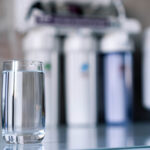
After a filter change, you may notice that your water runs milky white. Many users think this is a chemical residue.
Solution: Put the water in a glass and wait 1 minute. If the whiteness disappears from the bottom up and the water becomes clear, this is just trapped air bubbles. It is the mixing of air in the pores of the filters into the water and is completely harmless. It goes away by itself after a few weeks of use.
What to Do for Ideal Water Taste?
Factors affecting the taste of the treatment water give you important clues about the health of your device. Although “water taste” may seem like a subjective concept, there are concrete scientific facts behind it, such as pH balance, mineral density and filter technology. Research shows that 88.6% of people prefer to drink mains water (purified) if it is safe and tasty. It is up to you to maintain this comfort.
If your water tastes bitter, metallic or plastic-like, do not ignore the problem. Find the source of the problem using the diagnostic chart above. Usually a good quality filter set replacement, tank cleaning and correct mineral supplementation will restore your water to its original flavour. Remember, a regularly maintained purifier will not only quench your thirst, but also protect your family’s health.
If you have difficulty in determining the source of the problem, we recommend that you get support from a professional technical service and have your water TDS and pH measurements taken.
We wish you healthy and delicious water-filled days!
Frequently Asked Questions (FAQ)
Why does the taste of purified water change?
The most basic reasons are the expiration of the filters, the membrane filter losing its function and increasing the TDS value, or the water waiting in the water tank for a long time producing bacteria.
Why is the purifier water bitter?
When the reverse osmosis system removes minerals such as calcium and magnesium from the water, the pH value of the water decreases (it becomes acidic). Acidic water leaves a bitter and sour taste on the tongue. The solution is to add a mineral or alkaline filter.
Why is purified water sweet?
This is often desirable. Quality coconut shell-based post-carbon filters give the water a natural sweetness. In addition, the removal of heavy metals from the water brings out its natural flavour.
What should I do if the purified water flows white?
This is usually caused by micro air bubbles trapped in the system. Perform the “1 Minute Test”: Put the water in a glass and wait. If it becomes clear, your problem is air, not chemicals.
Water treatment water smells, what is the reason?
Rotten egg odour indicates bacterial backflow from the waste water drain. A mouldy odour indicates that the carbon filters are saturated and organic matter has accumulated on them.
 Copy Blog Link