TR
 7 October 2026

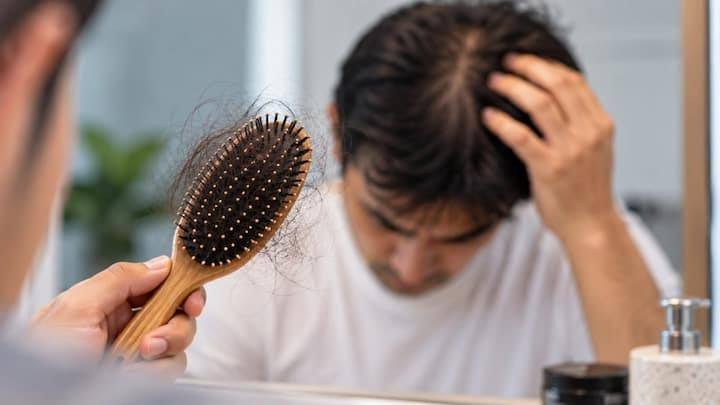
Many people experiencing hair loss wonder whether water plays a part in it. In particular, those living in areas with high water hardness question whether tap water damages their hair and, driven by this concern, search the internet for a quick answer. However, this issue is often not as black and white as is commonly thought. In this article, we take a balanced look at what hard water actually does to hair, its link to hair loss, and how to manage this effect.
| Important Notes: There is limited conclusive, large-scale scientific evidence to suggest that hardwater directly affects the hair follicle and causes hair loss; the main effects observed are dryness, dullness and brittleness of the hair shaft.Hard water reduces the lathering action of shampoo and may lead to mineral build-up on the hair and scalp. The main causes of hair loss are generally genetic, hormonal, nutritional or stress-related; water hardness alone is rarely considered a primary cause.This is a health-related article: cautious language has been used rather than making definitive medical claims; it is recommended that it be supported by an expert opinion or quote prior to publication. |
Short Answer: Does Hard Water Cause Hair Loss?
There is no definitive or extensive scientific evidence to suggest that hard water causes hair loss by directly affecting the hair follicle. The main observed effect of hard water is dryness, dullness and brittleness of the hair shaft; this may indirectly cause the hair to appear more delicate and brittle, and may make any existing tendency towards hair loss seem more pronounced. In other words, rather than being a direct cause of hair loss, hard water should be regarded as an indirect factor that makes an existing problem more visible or slightly exacerbates it.
What Exactly Does Hard (Calcareous) Water Do to Your Hair?
Water hardness affects the hair shaft and scalp through several different mechanisms. Whilst the majority of these effects alter the appearance and texture of the hair, they do not directly affect the growth cycle at the root.
Dryness and Freezing
Hard watercan leave a thin mineral layer on the surface of the hair strands due to the high levels of calcium and magnesium ions it contains. This layer reduces the hair’s ability to retain its natural moisture and, over time, can cause the hair to become dry, dull and feel coarse to the touch. In the long term, this dryness can increase split ends and hair damage.
Mineral Deposits and Shampoo Not Lathering
The minerals in hard water react with the surfactants in shampoo and soap, reducing lather formation. This can result in the hair not being cleaned properly and a build-up of residue on the scalp; over time, this build-up can cause a slight sensation of irritation and disrupt the scalp’s natural balance. Furthermore, due to the lack of lather, users often tend to use more shampoo, which can dry out the scalp even further.
What Are the Main Causes of Hair Loss?
The main causes of hair loss include genetic predisposition, hormonal changes, nutritional deficiencies such as iron and zinc, stress, certain medicines, and medical conditions such as thyroid disorders. Genetically caused hair loss, such as androgenetic alopecia, is the most common type of hair loss in both men and women and progresses independently of environmental factors. Water hardness is not recognised as a primary cause in its own right on this list; a direct causal link between water hardness and hair loss has not been clearly established by extensive studies.
How Can the Indirect Effects of Hard Water Trigger Hair Loss?
Hair strands that have been dried out and made brittle by hard water may break more easily whilst being brushed or washed. This situation can be mistaken for breakage occurring in the middle or at the ends of the hair shaft rather than actual hair loss from the root; although the person may think their hair is ‘falling out’, what is actually happening is breakage. Mineral deposits accumulating on the scalp can also occasionally cause a slight sensation of irritation, leading to mechanical stress due to scratching and, consequently, strain on the hair shaft.
What Can Be Done for Hair Care in Hard Water?
To minimise the effects of hard water, shampoos with clarifying properties can be used at regular intervals; these shampoos remove mineral build-up on the hair shaft more effectively. After washing, moisturising care products and hair masks may be used; where possible, the water used for washing should be kept lukewarm, as hot water can increase dryness. If you notice persistent irritation of the scalp or significant hair loss, consulting a dermatologist to establish the cause is the most reliable course of action; self-diagnosing and simply assuming it is caused by the water supply may lead to the underlying cause being overlooked.
Practical Tips for People Living in Hard Water Areas
If you think you live in an area with hard water, a useful first step is to find out the hardness level in your area from your local water authority or through a laboratory analysis; this information will help you determine the extent of the measures you need to take. As part of your daily routine, reducing the frequency of hair washes, minimising the scalp’s contact with water by using interim solutions such as dry shampoo, and using mildly acidic rinse solutions—such as apple cider vinegar—after washing can help reduce mineral build-up. For those seeking a long-term and permanent solution, a water softening systemcan be considered a comprehensive investment that simultaneously reduces the effects of limescale not only on your hair but also on your skin, household textiles and white goods.
How Can You Tell the Effect of Water Hardness on Your Skin and Scalp?
The effects of water hardness are felt not only in the hair shaft but also on the scalp. A scalp frequently washed with hard water may experience dryness, a feeling of tightness and, from time to time, slight flaking; these symptoms are sometimes mistaken for dandruff. A ‘tight’ or slippery film on the skin after a shower is also a typical sign of hard water, as soap residue cannot be completely rinsed away from the skin. A simple observation at home can also give you an idea: in areas with hard water, it is common to see whitish limescale deposits on tap heads, shower screen glass and kettles; users who notice this build-up should bear in mind that the same water leaves a similar effect on their hair and skin.
Does the effect of hard water vary depending on hair type?
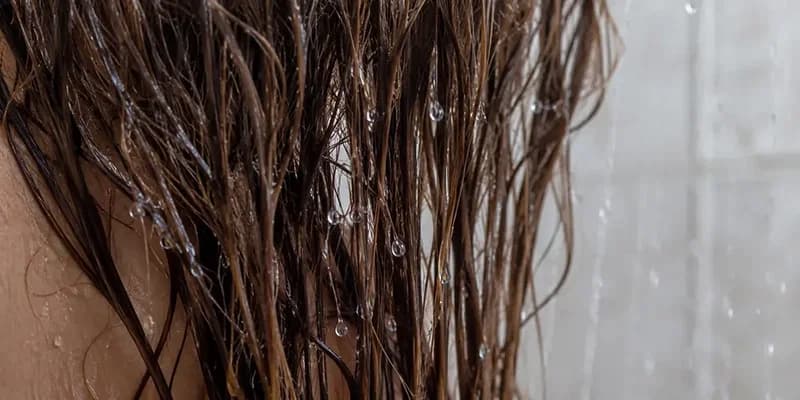
Dry or chemically treated hair (dyed, permed, or treated with keratin) reacts more sensitively to the drying effect of hard water than natural, oily or untreated hair; because the hair cuticle is already somewhat damaged and has a reduced capacity to tolerate an additional source of dryness. Curly and wavy hair types are also more susceptible to moisture loss than straight hair; consequently, people with curly hair living in areas with hard water often report more pronounced dullness and tangling. In the case of oily hair, mineral deposits can combine with the scalp’s natural oils, causing the hair to look greasy more quickly.
Will Water Treatment or Softening Solve This Problem?
A water softening systemcan significantly alleviate the problems of dryness and mineral build-up caused by water hardness by reducing the calcium and magnesium ions in the water. This helps the shampoo lather better and makes the hair soft water . However, as water hardness is not the sole cause of hair loss, water softening should not be presented as a standalone solution to all types of hair loss; it should be regarded as a complementary part of overall hair care, alongside other factors such as improving water quality, nutrition, stress management and, where necessary, medical support.
When Should You See a Doctor About Hair Loss?
Losing between 50 and 100 hairs a day is considered part of the hair’s natural renewal cycle and generally does not cause concern. However, if hair loss increases significantly, if thinning or bald patches are noticeable on the scalp, if it is accompanied by additional symptoms such as itching and redness, or if the hair loss has been ongoing for more than a few weeks, consulting a dermatologist is the right course of action. A dermatologist can determine, through blood tests and a scalp examination, whether the hair loss is related to water quality or to hormonal, nutritional or genetic causes; this prevents the underlying cause from being overlooked whilst focusing unnecessarily on a solution based solely on water quality.
Frequently Asked Questions
Hard water has ruined my hair – what should I do?
It is recommended to use a shampoo with chelating properties, apply a moisturising treatment after washing, wash with lukewarm water where possible, and consult a dermatologist if the problem persists. Furthermore, considering the installation of a water-softening system at home may help reduce the likelihood of the problem recurring in the long term.
Does hard water cause dandruff?
There is no evidence that it directly causes dandruff; however, it may trigger dandruff-like flaking by increasing scalp dryness. Dandruff is usually a fungal condition (caused by Malassezia) and, if persistent, requires a dermatological assessment.
What causes the most hair loss?
The most common cause of hair loss is androgenetic alopecia, which is linked to a genetic predisposition; hormonal imbalances, iron, zinc and vitamin B12 deficiencies, severe stress and certain medications are also among the significant contributing factors. Water quality plays an indirect and secondary role alongside these factors.
Does hard water damage the skin as well?
Hard water can similarly affect the skin’s natural moisture balance; if soap residue is not rinsed off completely, this can lead to dryness and sensitivity. For this reason, people living in areas with hard water should consider both their hair and skincare routines together.
 Copy Blog Link