TR
TR
 7 October 2026
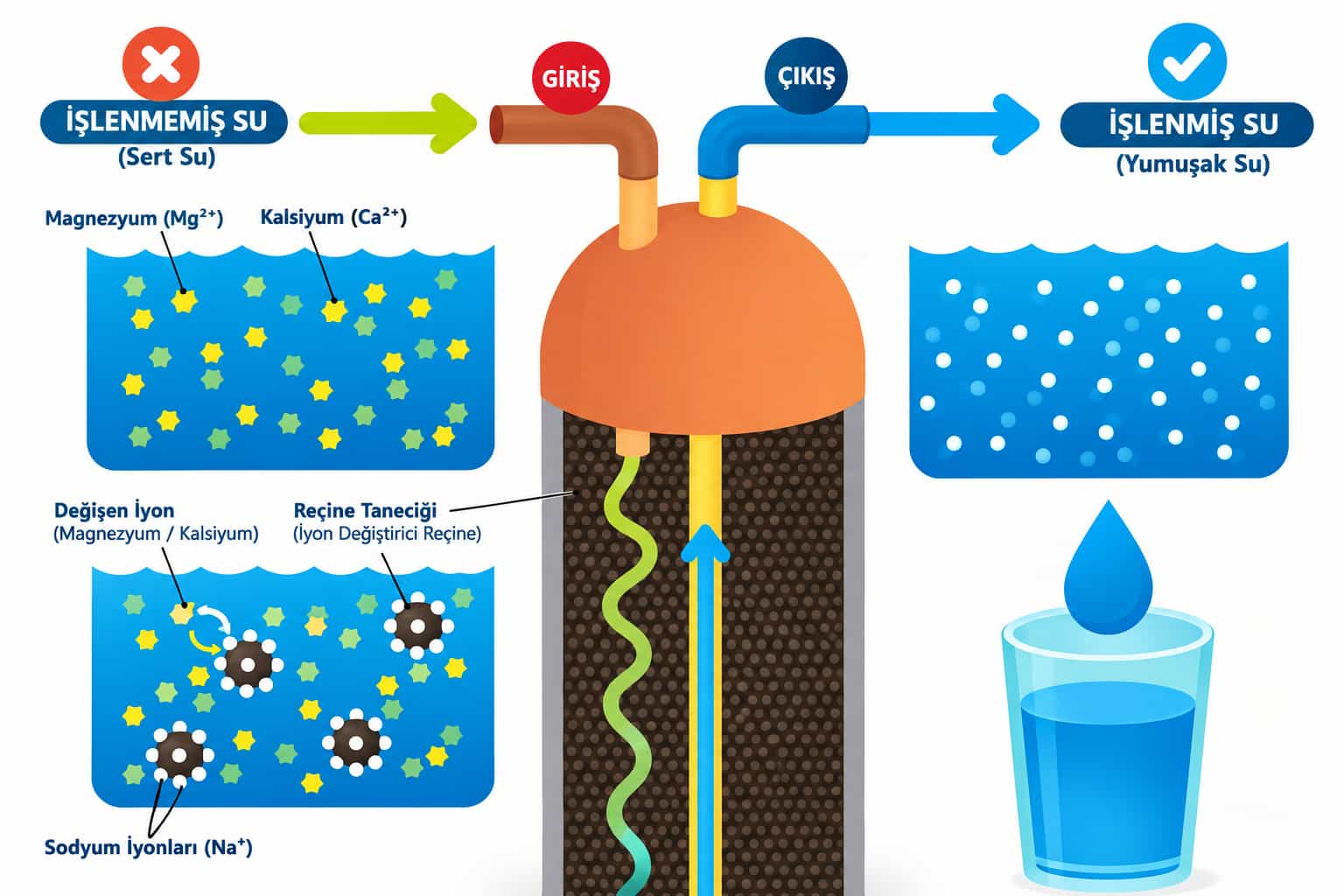
At the heart of a water softener lie tiny beads that are invisible to the naked eye: the resin. Whilst the unit’s external tanks and valves may catch the eye, the process that actually alters the water’s hardness takes place on the surface of these beads. Understanding what this resin is, how it works and when it needs replacing ensures that you get the expected performance from the unit for many years to come. In this article, we examine in detail how the resin works, the factors affecting its lifespan and the maintenance process.
| Important Notes: Water-softening resin consists of small polymer beads that operate on the principle of ion exchange; it binds calcium and magnesium ions and releases sodium ions in their place.The resin’s service life varies depending on water hardness, daily water consumption and the frequency of regeneration; in industry practice, a range of several years is typically cited.The resin must be regularly regenerated with salt (NaCl); if regeneration is not carried out, the resin’s capacity decreases and limescale builds up again.When the resin is exhausted, the water hardness returns to its previous level — this is not a fault, but a normal wear-and-tear process. |
What is Water-Softening Resin?
Water-softening resin is a material consisting of small beads, usually polystyrene-based, which operates on the principle of ion exchange. Charged with sodium ions during the manufacturing process, these beads trap hardness-causing ions such as calcium and magnesium as water passes through them, replacing them with sodium ions. The resin beads are generally between 0.3 and 1.2 millimetres in diameter and have a small, non-porous structure; this structure provides a large surface area, ensuring that the ion exchange takes place efficiently.
How Does Water-Softening Resin Work?
The water passes through a tank filled with resin. The surface of the resin beads retains the calcium and magnesium ions in the water through electrochemical attraction; in return, it releases previously stored sodium ions into the water. Thanks to this exchange, the water emerging from the tank is significantly reduced in the minerals that cause hardness. This exchange continues uninterrupted whilst the water passes through the resin tank; the chemical basis of this operating principle is ‘What is ion exchange?’ .
What Are Resin-Based Water Softening Systems?
Resin-based water softening systems consist of a resin tank, a salt (brine) tank and a valve that controls the regeneration cycle between the two. The system automatically enters the regeneration cycle at set intervals or based on water usage, thereby restoring the resin’s water softening capacity. Some systems can be programmed to operate on a time-based schedule (for example, every few days), whilst others can be set to operate on a volume-based schedule (when a certain number of litres of water have been used). In our water softener category you can explore models with different capacities.
How Long Does Water Softening Resin Last?
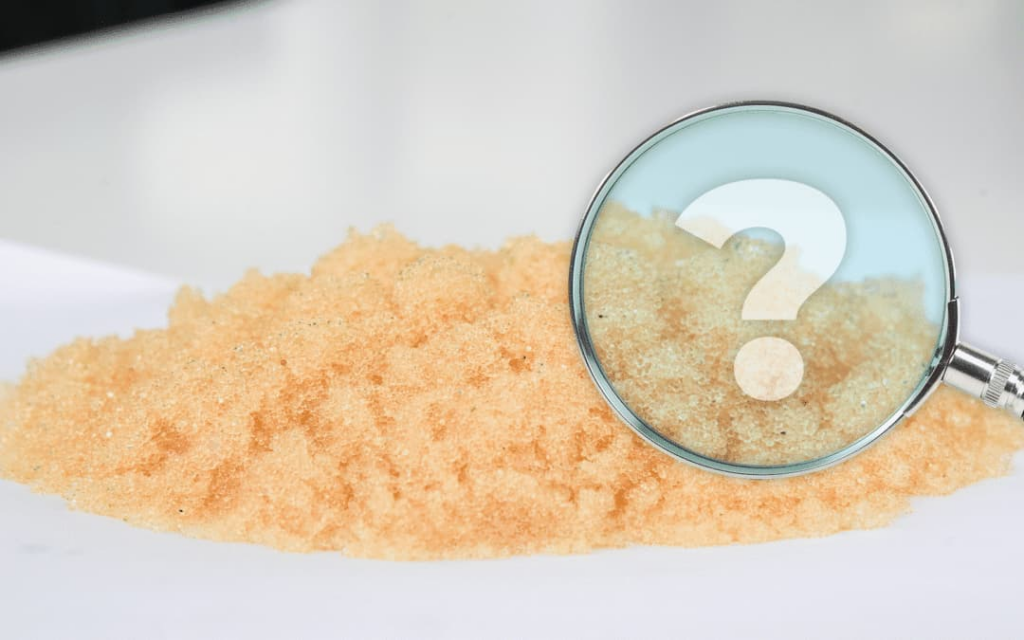
The physical lifespan of the resin varies depending on water hardness, daily water consumption, the frequency of regeneration and the quality of the salt used. In systems where regeneration is carried out regularly and correctly, the resin can operate effectively for several years; this period may be shorter or longer depending on the intensity of use. The use of low-quality or contaminated salt can lead to fouling on the resin’s surface, thereby shortening its service life. Rather than giving a precise figure for its service life, a more reliable approach is to monitor performance regularly and check the water’s hardness level from time to time.
When and How Is the Resin Regenerated?
Regeneration is the process of removing the calcium and magnesium ions retained by the resin by flushing them out with highly saline water (brine) and recharging the resin with sodium ions. In most modern systems, this process is automatically triggered by a pre-set timer or water meter and consists of several stages (backwashing, brine draw, rinsing). Regular checking and topping up of the salt tank is essential for the regeneration cycle to run smoothly; if the salt level runs low, the resin cannot be sufficiently regenerated and the water softening performance will decline.
How Do You Know When It’s Time to Change the Resin?
Despite regular regeneration, the reappearance of signs of water hardness (poor lathering of soap, white limescale deposits on taps, stains on glass surfaces) may indicate that the resin has lost its capacity. In this case, it is recommended that the resin be physically inspected and, if necessary, replaced with a new one. Fading of the resin beads’ colour, fragmentation or clumping within the tank may also serve as visual indicators that it is time for replacement. This is not a fault, but a result of the resin’s natural wear and tear; for further information on the general effects of water hardness, what is hard water .
What Are the Different Types of Resin?
The most commonly used type of resin in water softening is strong-acid cation exchange resin; this type effectively retains hardness-causing ions such as calcium and magnesium and is the preferred choice in the vast majority of standard domestic systems. In addition, weak acid cation exchange resins and anion exchange resins are available for more specialised treatment requirements; however, these types are generally used in industrial applications or where specific water quality standards are required. Resin particle size has a direct impact on water flow rate and pressure drop; resins with smaller particles generally offer a larger surface area, thereby increasing ion exchange efficiency, but may present slightly greater resistance to water flow.
How Should Different Types of Resin Be Selected According to Different Climatic and Water Conditions?
In areas with high water hardness, as the resin’s capacity will be exhausted more quickly, it is necessary to either use a resin with a higher capacity or schedule more frequent regeneration cycles. In well water with high iron content, standard resin may become contaminated with iron over time; for such waters, special iron-resistant resin formulations are preferred. For households using mains water with average hardness levels, standard cationic resin generally provides adequate performance. Choosing the correct resin and capacity both extends the system’s lifespan and prevents unnecessary salt and water consumption.
How is Resin Capacity Calculated?
Resin capacity generally refers to the amount of hardness that a given volume of resin can retain between regenerations, and is expressed in grains (a unit of hardness) per litre. Selecting the correct capacity depends on the number of people in the household, the average daily water consumption and the hardness of the mains water. A system with a capacity selected below the required level will begin to show signs of hardness earlier than expected between regenerations; conversely, a system with a capacity selected higher than necessary may consume more salt and water than required. For this reason, capacity calculations should be carried out by technical staff based on the household’s actual water usage profile.
Points to Bear in Mind When Maintaining Resin
To ensure the resin has a long service life, it is recommended that the salt tank be checked regularly and refilled as necessary, that only suitable salt produced specifically for water softening be used, and that the tank be checked from time to time for salt bridging or crusting that may form due to moisture. Low-quality salts or those with a high additive content can cause contamination on the surface of the resin, thereby reducing its performance. Furthermore, if the system is not due to be used for an extended period (for example, during the holiday season), using the manufacturer’s holiday mode or standby settings, where available, will prevent the resin from entering a regeneration cycle unnecessarily.
Frequently Asked Questions
What factors influence the prices of the resin used in water softeners?
This varies depending on the type, capacity and quantity of the resin; rather than quoting a general price, it is best to consult the technical team to determine the appropriate amount of resin for your device’s technical specifications.
What are resin-based water softening systems?
These are conventional water-softening systems that utilise the principle of ion exchange and are regularly regenerated with salt; what is the basic operating principle ‘What is ion exchange?’ .
Can I change the resin myself?
Resin replacement involves technical steps such as draining the old resin from the tank and refilling it with the correct amount of new resin; if not carried out correctly, the system’s efficiency may be reduced. It is therefore recommended that the replacement process be carried out by an authorised technical service.
If the resin runs out, does the water become harmful?
No, the resin losing its capacity does not make the water unsafe; it simply means that the water’s hardness level returns to its original level. This does not pose a health risk; it merely means that the water-softening effect has diminished.
If you’d like to install a water softener with the right capacity in your home, you can .
 Copy Blog Link