TR
 4 August 2026

The fact that the tap water in our homes sometimes tastes bitter, or the stubborn white limescale that quickly builds up at the bottom of kettles, inevitably raises the same crucial question in many of our minds: Is it safe to drink hard water? Our daily water intake is the cornerstone of our general health. The mains systems that bring the water provided by nature into our homes enrich the water with various minerals as it passes through underground sources. However, this enrichment leads to the water becoming hard, a condition commonly referred to as ‘hard water’. Many people believe that hard water causes kidney stones, accumulates in the body and invites illness, and should definitely not be drunk. So, what do the medical community and scientific authorities have to say on this matter? In this comprehensive guide, we will examine the nature of hard water and its effects on human health and household appliances in the light of scientific data, and discover professional ways to make your tap water as healthy as possible.
What Is Hard Water and What Causes It?
Hard water, known in the scientific literature as ‘hard water’, is the term given to water containing high levels of dissolved calcium (Ca) and magnesium (Mg) ions. The process of water becoming hard actually begins in the sky, as raindrops fall to the earth’s surface. Rainwater is in a form very close to pure water; however, the moment it comes into contact with the soil, its remarkable journey through nature begins.
Water is one of the finest and most powerful solvents known in nature. Before reaching groundwater sources, rivers and reservoirs, it filters through various layers of rock beneath the ground. In particular, water filtering through geological formations such as limestone (calcium carbonate), dolomite and gypsum absorbs minerals such as calcium and magnesium from these rocks, just like a sponge.
The limescale in the water flowing from our taps is not an external contaminant originating from the pipes or the mains supply, but is in fact these natural dissolved minerals that the water has absorbed from nature. The World Health Organisation (WHO), one of the leading bodies shaping global health policies and setting water quality standards, has clearly classified the levels of hardness in drinking water. According to WHO data, if the calcium carbonate concentration in drinking water is below 60 mg per litre, the water is considered ‘soft’; if it is above 180 mg per litre, it is considered ‘very hard’, i.e. heavily calcified.
World Health Organisation (WHO) Water Hardness Scale Table
| Hardness Class | Calcium Carbonate (CaCO₃) Concentration (mg/L) | Characteristics of Daily Water Use |
| Soft Water | 0–60 mg/L | The soap lathers easily, leaves no residue in appliances and has a mild flavour. |
| Medium-Hard Water | 61–120 mg/L | It offers an acceptable flavour, but may develop a slight sediment over time. |
| Hard Water | 121–180 mg/L | Limescale starts to build up in kettles, and soap doesn’t lather easily. |
| Very Hard Water | > 180 mg/L | It causes significant limescale build-up, damages appliances and gives the water a bitter taste. |
The Differences Between Temporary and Permanent Water Hardness
To understand the hard water that comes out of the tap, it is important to realise that water hardness is not a single, uniform phenomenon. Water hardness is divided into two main categories based on its chemical composition: temporary hardness and permanent hardness.
Temporary hardness arises from the presence of calcium and magnesium bicarbonates in water. As the name suggests, this type of hardness can be easily removed when heat is applied to the water or when the water is boiled. Heat breaks down the bicarbonate ions, converting them into calcium carbonate (the solid limescale we are familiar with), which is insoluble in water. This solid limescale then settles at the bottom.
Permanent hardness, on the other hand, occurs when calcium and magnesium are present in the water in the form of sulphate, chloride or nitrate compounds. These minerals are extremely resistant to heat. Even if you boil the water for hours, these minerals retain their chemical structure and remain dissolved in the water. The only way to remove permanent hardness is to use advanced filtration technologies such as ion exchange or reverse osmosis.
A Comparison of Temporary Hardness and Permanent Hardness
| Feature | Temporary Hardness | Permanent Hardness |
| Components | Calcium and magnesium bicarbonate | Calcium/magnesium sulphate and chloride |
| Can it be treated by boiling? | Yes, it can be removed by boiling. | No, boiling it won’t make any difference. |
| The Problem It Caused | White limescale deposits (calcium carbonate) in kettles and teapots. | It reacts with soap to form a discontinuous structure, which prevents foaming. |
| The Definitive Solution | Heating or water treatment systems | Only professional water treatment systems (Reverse Osmosis, etc.) |
What Are the Benefits and Drawbacks of Hard Water?
The topic of ‘the benefits and drawbacks of hard water’ has been one of the most hotly debated and frequently misunderstood issues amongst consumers for years. The natural minerals found in water have a dual nature; whilst on the one hand they provide essential benefits for our biological systems, on the other they can have damaging effects on our belongings and personal care routines.
The Benefits of Hard Water for the Body and Health
Contrary to popular belief, the greatest benefit of hard water is its direct impact on human health. When you drink hard water, you are not ingesting a harmful toxin, but rather natural calcium and magnesium minerals that are vital for bone and muscle development. Calcium is of undisputed importance for maintaining bone density and supporting dental health. Magnesium, on the other hand, is a critical component for the proper functioning of the heart muscle, the health of the nervous system and the occurrence of enzymatic reactions.
Some epidemiological studies conducted in the medical community have revealed surprising findings. It has been observed that in geographical regions where hard water (calcareous water) is consumed, mortality rates from cardiovascular diseases are lower than in regions where soft water is consumed. According to World Health Organisation data, between 5 per cent and 20 per cent of an adult’s daily calcium requirement can be met directly from hard drinking water, depending on the geographical location. Again, according to the same data, whilst the daily intake of magnesium from water is only 2.3 mg in areas where soft water is consumed, this amount can rise to as much as 52.1 mg per day in areas where hard water is consumed.
The Harmful Effects of Hard Water on the Skin and Hair
Whilst these minerals are beneficial to health, they present a completely different picture when it comes to domestic use and personal care. The damage caused by hard water to the skin and hair is too obvious to be ignored. Hard water reacts with the chemicals in soaps and shampoos to form a sticky film known as ‘soap scum’.
This means that your soap does not lather properly whilst you are showering and does not rinse off your body completely. This invisible, microscopic film left on the skin can disrupt the skin’s natural moisture balance, leading to dryness, flaking and the triggering of irritations such as eczema. The same applies to your hair; hair washed with hard water loses its elasticity, becomes dull and stiff, and is harder to style. Blocked pores on the scalp can, over time, pave the way for problems such as dandruff and hair loss.
Medical Myths and Facts: Does Hard Water Cause Kidney Stones?
The fear of kidney stones lies at the heart of the question ‘Is hard water harmful?’, which is the most common among the general public, has become ingrained in our minds and profoundly influences our water consumption habits. The belief that hard water causes kidney stones is based more on a logical fallacy than on medical facts. When people see limescale hardening at the bottom of a kettle, they assume the same process will occur in their own kidneys. However, the human body is not a kettle.
According to the consensus of urologists and nephrologists, there is no direct cause-and-effect relationship between the consumption of hard water and the formation of kidney stones. The vast majority of kidney stones (approximately 80 per cent) are calcium oxalate stones. As a medical fact (or ‘factoid’): the calcium you obtain from hard water binds with oxalate from food (found in foods such as spinach, tea and chocolate) in the stomach and intestines. This binding process prevents oxalate from entering the bloodstream and reaching the kidneys. The resulting calcium-oxalate compound is excreted from the body via the stools. Contrary to popular belief, therefore, an adequate intake of calcium is a factor that can help prevent the formation of calcium oxalate kidney stones. The main causes of kidney stones are chronic dehydration (insufficient fluid intake), genetic predisposition, excessive sodium (salt) intake and metabolic disorders.
Can Hard Water Be Boiled and Drunk?
One method frequently used by housewives and cooking enthusiasts is to try to purify water by boiling it. So, what happens if we boil hard water? Hard water can be boiled and is safe to drink; boiled hard water is certainly not harmful to human health.
When you boil water in a kettle or teapot, a chemical reaction is triggered by the heat. The calcium bicarbonate (temporary hardness) present in the water in dissolved form changes from a liquid to a solid state, becoming calcium carbonate. This causes some of the limescale in the water to settle at the bottom. If you leave this sediment at the bottom when transferring the water to another container, you will have reduced the water’s hardness to some extent.
However, although the answer to the question ‘Can hard water be boiled and drunk?’ is ‘yes’, boiling is not a perfect method of purification. The ‘permanent hardness’ minerals (sulphates and chlorides) we mentioned earlier remain in the water despite boiling. Furthermore, as boiling causes the oxygen in the water to evaporate, the water’s taste becomes bland and heavy. Although boiled hard water is not harmful to health, it is far from providing a high-quality drinking experience.
Does Hard Water Cause Damage to Household Appliances and Plumbing?
Just as hard water has numerous benefits for the human body, so too does it cause significant damage to the mechanical and electronic appliances in our homes. Any appliance that comes into contact with water – such as washing machines, dishwashers, water heaters, combi boilers and kettles – is at risk from limescale. According to research, approximately 85 per cent of households using hard water experience faults in their white goods caused by limescale.
Limescale (calcium carbonate) in the water adheres to the heating elements and hardens. This hardened layer acts as an excellent insulator. When your appliance attempts to heat the water, it must first heat this thick layer of limescale before it can heat the water itself. This not only leads to a significant increase in your electricity bills but also rapidly reduces the lifespan of the appliance’s motor and heating elements. Furthermore, limescale accumulating on the inner walls of plumbing pipes causes the pipes to narrow over time, leading to a drop in water pressure and, ultimately, blockages, resulting in costly plumbing repairs.
What Are the Definitive Solutions for Dealing with Hard Water?
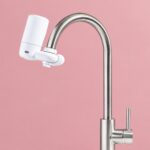
If you want to remove the sediment carried by tap water, achieve a perfect taste, and protect your expensive household appliances, using professional water purification systems is the most sensible and reliable solution. Thanks to advancing technology, a wide range of devices are now being produced to meet different needs.
Water Softening Systems
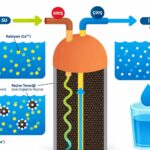
Water softening systems, installed at the entrance to a building or flat, are ideal for those wishing to protect all the plumbing and appliances in their home. These systems operate on the principle of ‘ion exchange’. Hard water passing through tanks filled with resin releases the calcium and magnesium ions it contains and takes up sodium ions in their place. As a result, the water flowing from all your taps, right through to your washing machine and dishwasher, is completely softened. This helps to extend the lifespan of your appliances, reduce your bills and prevent your skin and hair from drying out whilst showering.
Reverse Osmosis Water Purification Systems
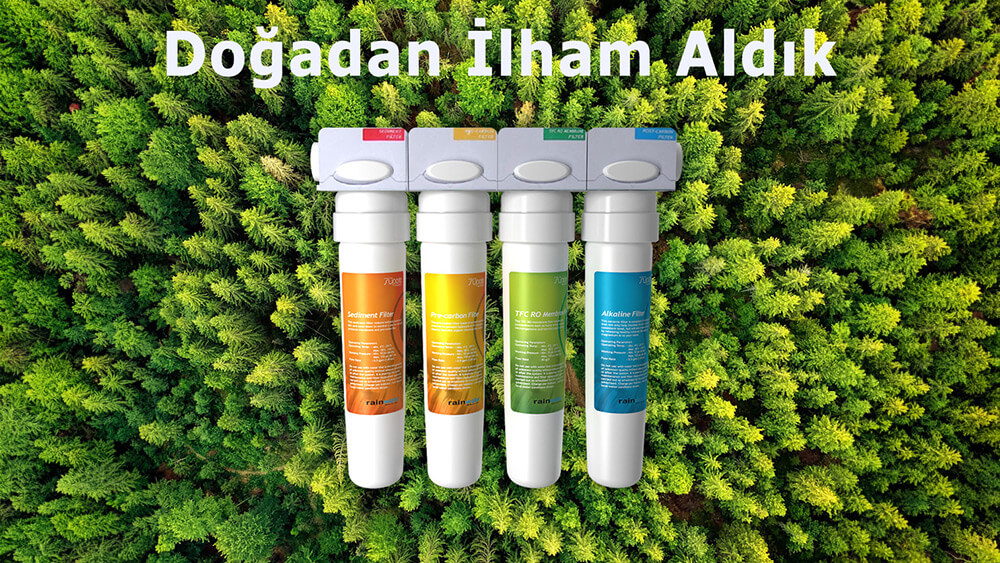
If your aim is to maximise the quality of your drinking water, improve its taste and completely put your mind at ease regarding the question ‘what happens if you drink hard water?’, then reverse osmosis systems are the best choice for your kitchen. Reverse Osmosis technology filters water at a molecular level, removing limescale, heavy metals, chlorine and all other harmful particles.
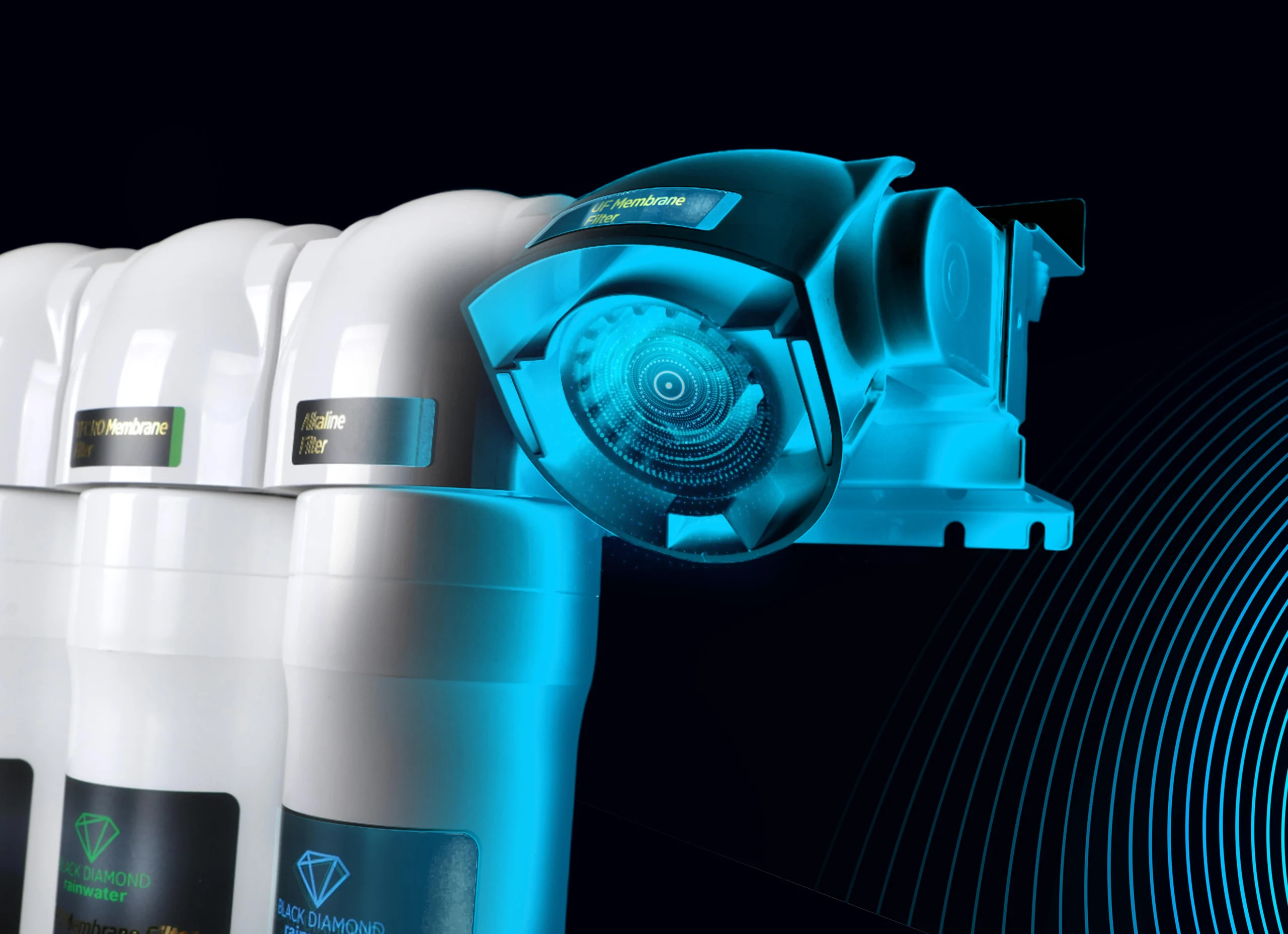
Water purification systems, particularly those installed under the kitchen worktop, pass tap water through a series of filters to achieve the purity of natural spring water. The alkaline filters found in high-quality systems raise the water’s pH level by adding beneficial minerals (calcium, magnesium, potassium) in ideal proportions for human health following the purification process. If you wish to have instant access to both hot and cold purified water in your home or office, water dispensers incorporating this technology will directly improve your quality of life, whilst reducing the cost of buying bottled water and plastic usage to zero.
Frequently Asked Questions (FAQ)
What should I do if my drinking water is hard?
If you notice that your tap water is very hard and has a bitter or heavy taste, it is advisable to opt for a more long-term, economical and healthy solution rather than constantly buying bottled water in plastic containers. By using professional water purification systems, you can instantly transform your tap water into a delicious, soft-tasting drink with an ideal pH level. This way, you’ll reduce your plastic waste whilst also saving money in the long run.
Should babies be given hard water?
Although World Health Organisation data show that hard water is harmless for adults, the situation is different for babies. As babies’ kidneys and digestive systems are still developing, they are particularly sensitive. The high mineral content in hard water can put a strain on babies’ tiny kidneys and lead to digestive problems. For this reason, when preparing baby formula or giving babies drinking water, it is a much safer approach to use purified water that has been passed through suitable filters and has a balanced mineral content.
 Copy Blog Link