TR
 4 June 2026

With the confidence in mains water decreasing day by day, the most logical and economical way to reach clean and reliable drinking water in our homes and offices has become purification systems. However, many consumers, when purchasing a device or maintenance of the existing device water purifier filters in the water purification device is acting without knowing exactly what the answer to the question of what it does. For the right choice of device and a healthy water consumption, it is vital to know what stages the water goes through until it comes to your glass. When choosing the most suitable water purification equipment model for your home, mastering filter technologies is the biggest investment you will make for your family’s health.
In this comprehensive 2026 guide, we will examine in detail the tasks, working principles and replacement times of all filters used in water purifiers, from sediment to membrane, carbon filters to alkaline systems.
Why are Water Treatment Filters So Important?
The water that flows from our taps passes through kilometres of pipelines from dams to our homes. During this journey, water can be contaminated with rust, sand, chlorine, pesticide residues and even heavy metals. According to TurkStat data, the average daily amount of water withdrawn per person in Turkey is 255 litres and it is very difficult to keep the quality of drinking water standard at any time in this huge consumption network. At this point, water treatment filters come into play and transform the mains water into a “drinkable, healthy and delicious” form.
This trust and need for water purifiers is not only local but also global. According to Precedence Research reports, the global water purifier market is expected to reach USD 74.71 billion by 2034. This tremendous growth in the industry is the clearest indicator of people’s quest for healthy drinking water and the need for filtration technologies. Filters not only clean the water, but also regulate the pH value of the water, remove bad odours and ensure trouble-free operation of your device for many years.
Water Purifier Working Principle and Basic Concepts
The basic operating principle of a water purifier is that mains water is passed under a certain pressure through filters with different pore diameters respectively. The water is purified from coarse impurities in the first stages, then cleaned from chemical substances and finally filtered and flavoured at the microscopic level. This perfect cycle is realised thanks to the harmonious operation of the filters inside the device. If the water pressure is insufficient, the water purification motors with pumps integrated into the system are activated and provide the power required for the water to pass through the filters.
What is Reverse Osmosis?
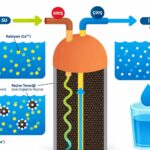
Reverse Osmosis (RO) is the most advanced and reliable water treatment technology today. To explain without drowning in technical terms; You can think of the reverse osmosis membrane as a microscopic sieve whose pores are one ten millionth of a millimetre in size. This system only allows the passage of water molecules; It prevents heavy metals and harmful chemicals such as chlorine, lime, asbestos, lead dissolved in water.
Since reverse osmosis technology is extremely sensitive, it produces some waste water. On average, approximately 4 litres of waste water is generated to obtain 1 litre of clean purified water. Although this situation is perceived as a waste by some users, it is actually a mandatory process for the removal of toxic substances in the water from the system. Today, environmentally friendly new generation devices and water dispensers that minimise this amount of waste water are being designed.
5, 6 and 7 Stage Water Treatment Filter Ranking and Tasks
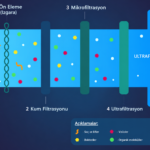
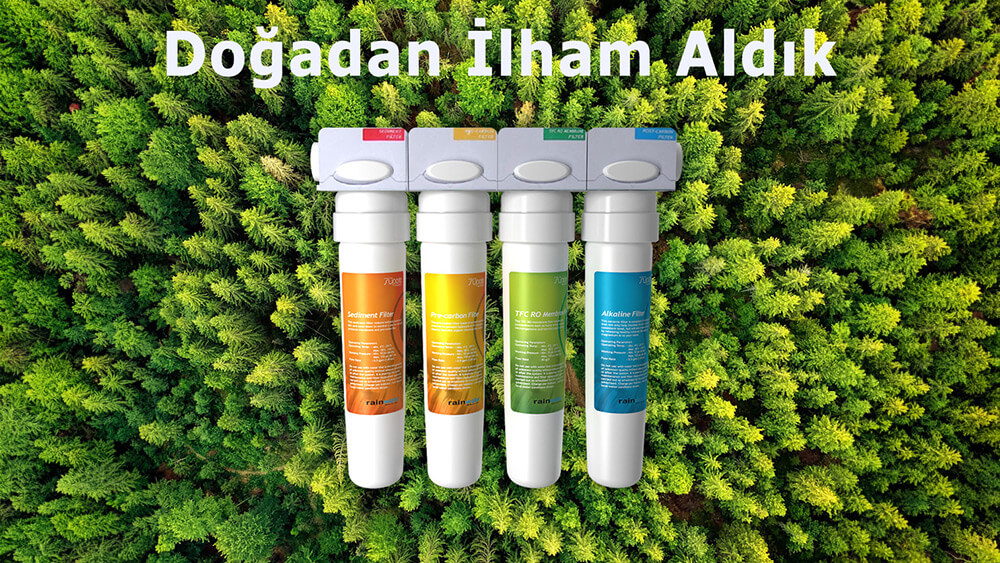
Water purifiers filter ranking is not done randomly. Each filter is arranged in such a way as to prevent clogging of the next filter and to facilitate its work. (Note: For our readers, we recommend that they examine the “infographics showing how the water enters from the mains and passes through the Sediment -> GAC -> CTO -> Membrane -> Membrane -> Mineral -> Tap stages respectively” when buying a device or changing filters).
Stage 1: Sediment Filter (Pre-Filter)
The first point where the water meets the device is the sediment filter. This filter, which usually has a compressed cotton-like structure (Spun), is 5 micron sensitive. Its task is quite clear: To hold the sand, mud, rust, soil and coarse sediments coming out of the plumbing pipes in the mains water. If this pre-filtering is not done, the coarse impurities can directly reach the other sensitive filters and render the entire device unusable in seconds.
Stage 2: Granular Activated Carbon (GAC) Filter
The water purified from coarse sediments enters the Granular Activated Carbon (GAC) filter in the second stage. The main material of this filter is natural carbon obtained by burning coconut shells at high temperatures. The GAC filter absorbs organic chemicals that give bad odour, colour and taste to water, especially “Chlorine”, which is added to municipal water for disinfection purposes, like a sponge. The removal of chlorine from the water is critical for both human health and to prevent damage to the membrane in the next stages.
Stage 3: Block Carbon (CTO) Filter
In the third stage, the water meets the Block Carbon filter. This filter is a pulverised and pressed (compressed) version of the GAC filter. Its job is to capture much finer particles, colour pigments and chemical residues that have managed to escape the first two stages. It is also a strong barrier that prevents microscopic carbon powders that may break away from the granular carbon in the second stage from travelling to the main heart (membrane).
Stage 4: What Does a Membrane Filter Do?
The 4th stage, which is the absolute heart of the system, is where the membrane filter is located. The water, which is completely purified from coarse impurities and chlorine by passing through the first three filters (pre-filter group), is subjected to reverse osmosis (RO) process here. The membrane filter separates heavy metals such as arsenic, lead, mercury, nitrate, lime, viruses and bacteria by 99%. While clean water is directed to the storage tank, the filtered harmful substances are sent to the sewerage through the waste water line. For a quality treatment, the membrane must have NSF certificate(National Sanitation Foundation).
Stage 5: Post Carbon (Flavouring) Filter
The water coming out of the membrane filter is extremely pure. However, this purity may cause the taste of the water to be a bit bland (bitter). Also, the water may lose its freshness when it sits in the tank for a while. The Post Carbon filter, which is the last stop just before going to the tap, is produced from all-natural coconut shell extract. It adds a natural flavour and a soft drink to the water coming out of the tank and makes the water taste like spring water.
Extra Stages: Mineral, Alkali and UV Filters
Traditional 5-stage systems clean the water perfectly, but reverse osmosis technology filters out the bad stuff and also filters out useful minerals such as calcium, magnesium and sodium. At this point, the 6th and 7th stages of the device come into play.
According to research by the Istanbul University Faculty of Aquatic Sciences, 80% of standard household appliances cause 75.1% to 100% mineral loss in water. Experts (e.g. Prof. Dr. Meriç Albay), who give very clear warnings on this subject, state that drinking completely purified (distilled) water is dangerous for heart and bone health in the long term. For this reason
- Mineral Filter (Stage 6): Adds calcium, magnesium and potassium to water naturally. This addition is not a luxury, but a necessity for healthy water consumption.
- Alkaline Filter (Stage 7): Produces alkaline water that helps the body maintain acid-base balance by increasing the pH value of the water (between 7.5 – 9.0).
- UV (Ultraviolet) Filter: It destroys possible bacteria and viruses in the water by disrupting their DNA with UV rays, especially in places that use well water or where the microbiological quality of the mains water is suspected.
Table: Comparison of Water Treatment Stages
| System Type | Treatment Capacity | Is there a membrane? | Mineral/pH Additive | Who is it suitable for? |
| 3 Stages | Only Coarse Sediment and Chlorine | No. | None | Simple under-counter pre-filtration |
| 5 Stages | 99% Heavy Metal and Bacteria | Yes | None | Only those who want pure water |
| 7 Stages | 99% Cleaning + Mineral + Alkali | Yes | Yes (Calcium, Magnesium, pH 8+) | All families looking for healthy drinking water |
When to Change Water Purifier Filters?
The continuous efficiency of the water purifier depends on the timely and regular replacement of the filters. Filter life; Although it varies according to the pollution rate of the water used (TDS value), the hardness of the water and the daily water consumption of the family, the general standards are as follows:
Filter Change Schedule Table
| Filter Name | Mission | Average Life (Month) | What happens if it is not changed? |
| Sediment (Stage 1) | Coarse sediment trap | 6 – 8 Months | It’s full of mud, water-tight. |
| GAC Carbon (Stage 2) | Chlorine and odour scavenger | 6 – 8 Months | Chlorine penetrates the membrane, the water stinks. |
| Block Carbon (Stage 3) | Fine particle trap | 6 – 8 Months | Dirt goes to the membrane which is the main filter. |
| Membrane (Stage 4) | Main treatment (RO) | 12 – 24 Months | The device retains limescale, water cannot be purified. |
| Post Carbon (5th Stage) | Flavouring | 12 – 18 Months | The taste of the water becomes bitter. |
| Mineral / Alkali | Mineral and pH balancer | 12 – 18 Months | Water loses its minerals, becomes acidic. |
What Happens to Our Body if the Water Treatment Filter is Not Changed?
Many users tend to neglect changing the filter until there is an obvious deterioration in the taste of the water. However, this is one of the biggest health mistakes you can make. Filters that are not changed in time not only lose their cleaning properties, but also turn the inside of the appliance into a hotbed of bacteria.
According to field surveys shared by Anadolu Agency (AA), “enterobacteria” were detected in 14 of 37 devices examined. This is a frightening but very real data. Water passing through clogged and saturated carbon filters carries old toxic substances and bacteria trapped in the filter back into your glass. (When you look at the photos of old and new filters side by side, you can clearly see how a 1-year-old sediment filter is covered with slime and rust.) In addition, clogged filters put extra load on the pump motor of the device, causing the system to leak water or completely break down. You should always perform your maintenance with original NSF certified parts through authorised services, not with under the stairs products.
Technology of the Future: Smart (IoT) Water Treatment Systems
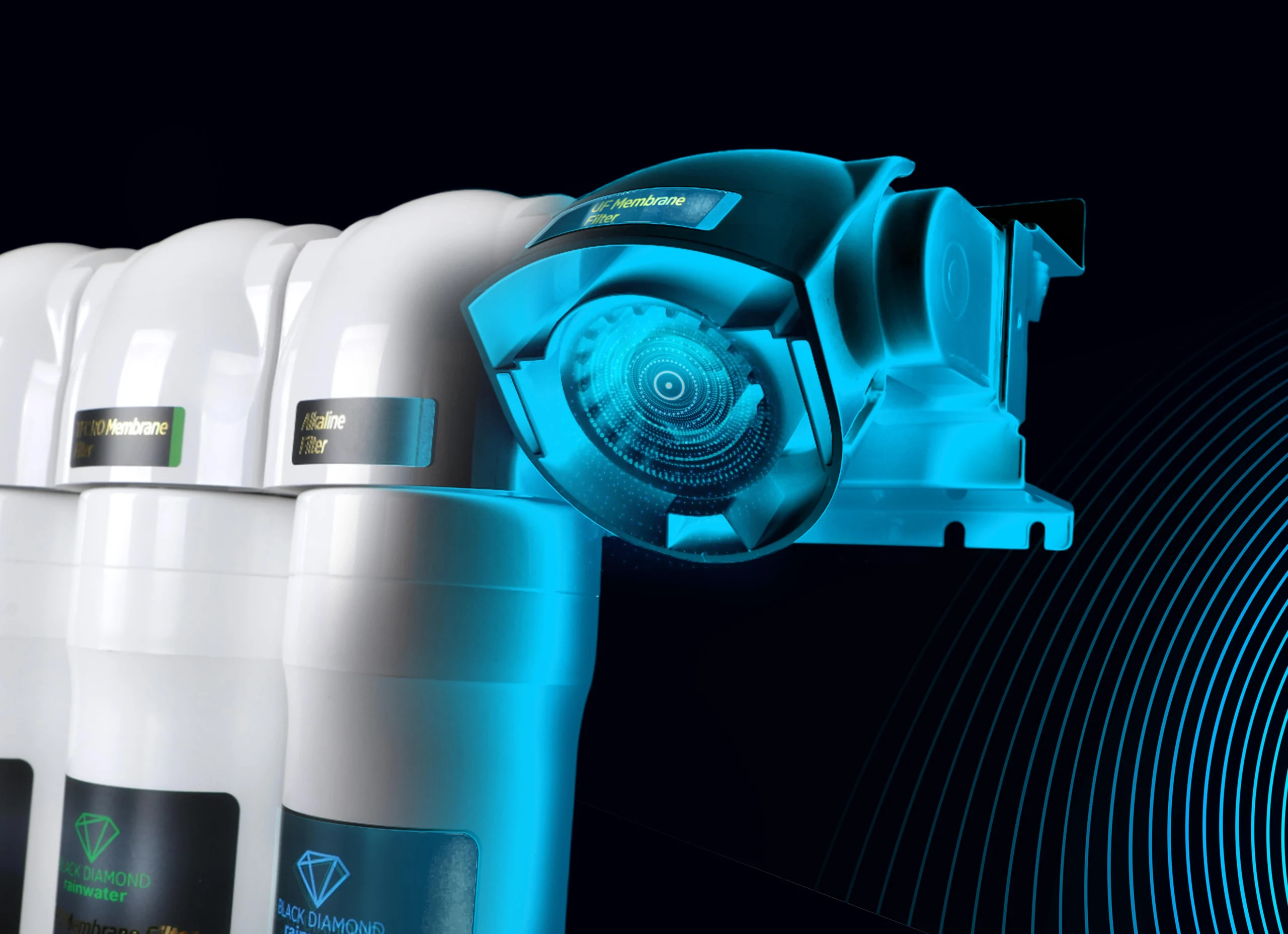
By 2026, water treatment technologies not only clean water, but also integrate into smart home systems (IoT). New generation smart water purifiers can measure the instant pH value, TDS (Total Dissolved Substance) level and quality of water thanks to their artificial intelligence-supported sensors.
Consumers can now track how much water they consume daily via mobile applications they download to their mobile phones and get rid of the problem of “how long is my filter life left?”. The device analyses which filter will clog and when according to your usage data and sends a notification to your phone. It is expected that this technology will spread to much wider areas with smart purification dispensers produced for offices in the coming years.
Frequently Asked Questions
How many filters should the best water purifier have?
An ideal water purifier should have at least 5 stages (3 pre-filters, 1 membrane, 1 post carbon) to be able to treat depending on the quality of the mains water. However, since reverse osmosis also filters the useful minerals in the water, 6-stage (mineral filter added) or 7-stage (alkaline filter added) devices should be preferred in order to obtain nutritious water suitable for health.
Which filters change in water treatment?
All filters in the device have a certain lifetime and must be replaced completely. The 3-filter pre-filter set (Sediment, GAC, CTO) that purifies coarse impurities and chlorine is replaced every 6-8 months on average. The Membrane Filter, which performs the main cleaning, and the Post Carbon, Mineral and Alkali filters, which give flavour/mineral to the water, should be replaced between 12 and 24 months depending on usage.
What happens if the water purifier filter is not changed?
Failure to change the filters in good time will turn the appliance into a hotbed of bacteria. Water passing through saturated and clogged filters threatens your health by re-introducing old toxic substances, heavy metals and enterobacteria that have accumulated inside the appliance. In addition, as clogged filters make it difficult for water to pass through, they put extra strain on the device’s engine, cause leaks and can completely ruin the device.
How should the water treatment filter ranking be?
Sequencing is critical for treatment quality:
- Sediment Filter (Retains coarse sediment, sand and rust),
- Granular Activated Carbon – GAC (Absorbs chlorine and bad odour),
- Block Carbon – CTO (retains fine particles and protects the membrane),
- Membrane Filter (Main treatment – 99% filtration and heavy metal separation),
- Post Carbon (flavouring with coconut), 6/7. Mineral and Alkaline Filters (Provides pH balance and calcium/magnesium addition to water).
 Copy Blog Link