TR
 4 June 2026

The worldwide water purifier market size is projected to reach USD 64.9 billion by 2025. This huge growth clearly demonstrates the increasing sensitivity of people to access clean, healthy and flavourful water in their homes and workplaces. Filtration technologies lie at the heart of water treatment systems. At this point, consumers often ask what is the difference between activated carbon filter and granular carbon filter. In this sector where keywords can create confusion, choosing the right filter combination directly affects the quality of the water you drink. To decide on the appropriate technology for your needs water purification equipment Before examining the options, it is of great importance to understand the working principles of these filters.
The global activated carbon filter market size was estimated at USD 8.6 billion in 2025 and is expected to reach USD 17.92 billion by 2036. Such growth of the market is a testament to the global confidence in the purification capacity of filters. When it comes to water treatment processes, activated carbon is a broad umbrella term, with granular carbon (GAC) and block carbon (CTO) representing two different physical forms under this umbrella. In this guide, we will explore in full detail how both filters clean our water, their advantages and why they should be used together in a purifier.
What is Carbon Filter and How Does It Work?
Carbon filters are basically filtration units designed to separate organic impurities, chlorine and components that give water a bad odour and taste from water. The word “activated” means that carbon-rich natural materials such as coconut husks, nut shells, wood or charcoal are “activated” by subjecting them to extremely high temperatures or special chemical treatments in an oxygen-free environment. This process changes the structure of the material, turning it into an excellent purifier. According to global statistics, “water purification systems” is the largest industry within the activated carbon filter market, with a market share of 40% in 2026. To learn more about clean water standards, you can refer to the World Health Organisation (WHO) Water and Sanitation guidelines.
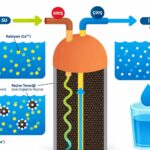
The working principle of these filters is based on a physicochemical process called “adsorption” (surface absorption). While absorption is like the absorption of water by a sponge, adsorption is when microscopic pollutants cling to the carbon surface like a magnet and remain suspended there. As water passes through the carbon bed, chlorine molecules, volatile organic compounds (VOCs) and pesticide residues are trapped on these surfaces. Thus, the water flowing from your tap is completely free from the heavy chemical odour it carries from the mains pipes.
Porous Structure of Activated Carbon
The miracle of activated carbon lies in the huge micropore (porous) structure that emerges during the activation process. The process creates such an effective hollow structure that the surface area of just 1 gram of activated carbon is equivalent to about 3,000 square metres, almost a full-sized football field! This enormous surface area allows for maximum contact with the contaminants in the water. Environmental Protection Agency (EPA) standards on the health effects of heavy metals and chemical contaminants support the vital role of surface area in filtration.
However, honest and transparent expert advice should be given here: Although carbon filters are excellent chlorine and organic matter hunters, they cannot fully filter out inorganic heavy metals such as lead and arsenic or minerals dissolved in water. To ensure complete protection from such microscopic threats, carbon filters must be integrated with Reverse Osmosis membranes.
What is Granular Activated Carbon (GAC) Filter?
Granular activated carbon (GAC) is a form of activated carbon with enormous surface areas, produced in the form of fine particles ranging in size from 0.2 mm to 5 mm on average. It physically resembles a fine gravel or thick sand pile. This loose and fluid structure allows water to pass through the bed faster. According to industry reports and projections for 2026, GAC filters are expected to dominate 55% of the global filter product segment, clearly proving that it is an industry standard.
GAC filters often act as one of the first lines of defence in treatment systems. It delays the clogging of the system by quickly capturing coarse particles, rust and intense chlorine in the mains water. The speed and filtration capacity of the GAC filter provides a great advantage, especially in devices that require fast water flow, such as high-capacity water dispenser models used in offices and large workplaces. Thanks to its loose structure, it does not reduce the water pressure too much and keeps the performance of the device in balance.
What is Block Carbon (CTO) Filter?
Block carbon or CTO (Chlorine, Taste, Odour) filter, as it is commonly known in the industry, is a solid, cylindrical structure formed by pressing fine carbon powders using heat and binding agents. Unlike the GAC filter, it does not consist of loose particles, but of a completely compacted homogenous block. This dense structure allows water to pass through it more slowly, providing a much finer filtration capacity. Regarding the effectiveness of block carbon filters, independent organisations such as the NSF (National Sanitation Foundation) state that these filters can reach a density that can hold even microscopic cysts.
The main purpose of the CTO filter is to filter water at the micron level, creating a perfect optimisation of the taste and odour profile. The percolation of water through the block increases the contact time. This ensures that chlorine contamination, micro plastics and other volatile organic compounds are trapped in the block. Due to its tight structure, it is always recommended to supplement it with a filter such as GAC in the preliminary stages, as it can quickly clog when used alone.
4 Main Differences Between Activated Carbon Filter and Granular Carbon Filter
In fact, “activated carbon” is the generic name of the material. What consumers usually mean when they say “activated carbon filter” is compressed Block Carbon (CTO) filter. Therefore, the real comparison is between two different production forms of carbon, Granular (GAC) and Block (CTO). Here are the 4 main differences between these two technologies:
1. Physical Form and Production Structure
The most obvious difference is the physical form of the filters. Granular activated carbon (GAC) consists of loose, sand-like particles that can move freely. Block carbon (CTO) is carbon powder pressed into a single solid mass in special ovens. In recent years, the use of coconut shell-based carbon instead of coal-based activated carbon has become widespread due to the sustainability trend in both forms. The use of organic coconut is both environmentally friendly and has a more natural flavour profile when flavouring water. For this natural flavour profile, stylishly designed water dispensers as well as household systems use this filter technology.
2. Flow Rate and Contact Time
“Empty Bed Contact Time” (EBCT) is a very critical metric in filtration. The loose structure of GAC filters allows water to flow through quickly; that is, the contact time is shorter but the water flow rate is high. In contrast, CTO block filters resist water due to their solid and dense structure. Water passes (slowly) through this compressed block. This slow passage maximises the contact time of the water with the carbon and provides a much deeper chlorine and odour removal.
3. Risk of Channeling Effect
The biggest disadvantage of the granular structure is the channeling effect. Water tends to find the easiest (least resistant) path through the loose carbon particles. Over time, small “channels” can be created between these particles. Water can pass through these channels without ever touching the carbon. In CTO Block carbon filters, on the other hand, since the material is a single pressed solid, there is zero chance of water opening a channel for itself. Water is forced to pass through every micron of the block, which eliminates the risk of leakage.
4. Sequencing and Task Distribution in Water Treatment Systems
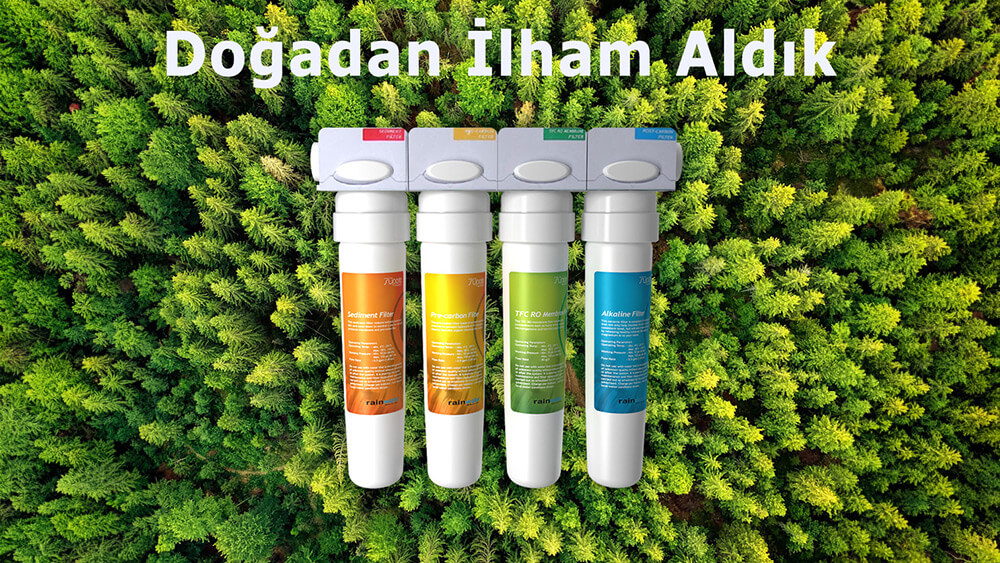
The rapid adoption of multi-stage filtration systems is expected to grow by 14.8% per annum in emerging markets such as India, emphasising the importance of in-system filter sequencing. Typically GAC filters are used in the early (e.g. 2nd) stages of the system to remove coarse particles and dense chlorine. The CTO block carbon filter comes into play at stage 3, acting as a shield that removes fine chemicals that manage to escape the GAC and prepares the water for the main filter, the Reverse Osmosis (Membrane) stage.
GAC and Block Carbon (CTO) Comparison Table
The following table summarises the structural and functional differences between the two filters for your own water treatment needs:
| Feature | GAC (Granular Activated Carbon) | CTO (Block Carbon) |
| Physical Structure | Loose, sand/gravel-like particles | Compressed, solid cylindrical block |
| Flow Rate | Fast (Does not reduce water pressure too much) | Slow (Slightly reduces water pressure) |
| Contact Time (EBCT) | Short | Long (More thorough cleaning) |
| Sewerage Risk | Medium / High | None |
| Intended Use / Sequence | First defence, intensive dechlorination (Stage 2) | Fine cleaning, precise odour and taste optimisation (Stage 3) |
Which Carbon Filter Should You Prefer?
The answer to this question is actually quite simple: There is no such thing as the “best” carbon filter; there is the best “system”. A single filter cannot create miracles in water purifiers. If you use only GAC in your device, you may experience chemical leakage with the effect of sewage; if you use only CTO, your filter will clog very quickly due to coarse wastes. Therefore, professional water treatment technologies use both filters in an integrated manner. For detailed readings on system design and device certifications, you can review the Water Quality Association (WQA) standards.
Reverse Osmosis (RO) Membrane filter is the highest point of technology in the treatment of disease-causing organisms and heavy metals at microscopic level. However, the micron pores of an RO membrane are extremely sensitive to chlorine. If chlorinated water reaches the membrane, it burns it and destroys its structure. At this point, the GAC and CTO filters in the front stage work like a team mate, eliminating chlorine by 99% and ensuring that the heart (RO membrane) remains healthy for many years.
Maintenance and Change Periods of Carbon Filters
Carbon filters work with the “disposable sponge” logic. The enormous surface area they have is not infinite. After months of absorbing chlorine, organic matter and bad odours, the pores fill up over time and the filter reaches its “saturation point”. A saturated activated carbon is no longer able to clean the water; in some cases, it may even regurgitate the contaminants it traps back into the water. For this reason, it is a critical step not to neglect the general maintenance of your device and, if necessary, to receive periodic support from the authorised technical service networks offered for water treatment devices.
💡 Expert Advice: The lifetime of GAC and CTO carbon filters usually varies between 6 and 12 months, depending on the contamination level of your mains water and how often you use the appliance. These filters cannot be washed and reused. If you start to feel a slight bitterness or chlorine odour in the taste of the water you drink, this is the clearest signal that your filters have reached the saturation point. Be sure to follow the filter change periods for your health.
Frequently Asked Questions (FAQ)
What does a granular activated carbon filter do?
Granular activated carbon (GAC) filter; It is the first line of defence that traps chlorine, heavy metal leaks, pesticide residues, micro plastics and chemical pollutants that give bad odour and taste to water by surface adsorption method. At the same time, it undertakes the task of preventing the main filter from burning (deterioration) by purifying the water from chemicals such as chlorine before reaching the Reverse Osmosis (Membrane) filter.
Which is the best filter for water purification?
In water purification, systems that work integrated with each other rather than a single filter create the “best”. Reverse Osmosis (RO) Membrane filter is the highest point of technology in the treatment of disease-causing organisms and heavy metals at microscopic level. However, in order for the RO membrane to do its job correctly and last for many years, it is essential to have very high quality Block and Granular Activated Carbon filters (GAC and CTO) that purify water from chlorine and coarse wastes in the preliminary stage.
What does activated carbon filter mean?
An activated carbon filter is a filtration unit created by “activating” natural materials such as coconut husks, hazelnut shells, wood or coal with high heat or chemicals. This activation creates millions of invisible pores in the carbon. So much so that the surface area of just 1 gram of activated carbon is equivalent to about 3,000 square metres (almost a football field). This huge area absorbs all organic wastes and chlorine that pollute water and air like a sponge.
What is granular carbon?
Granular carbon is the form of activated carbon with huge surface areas, produced not in powder or pressed form, but in the form of fine particles (sand or gravel-like structures) ranging in size from 0.2 mm to 5 mm on average. It is widely preferred in treatment systems (especially in the pre-filtration stage) because it forms a fluid bed that will allow water to flow faster.
 Copy Blog Link